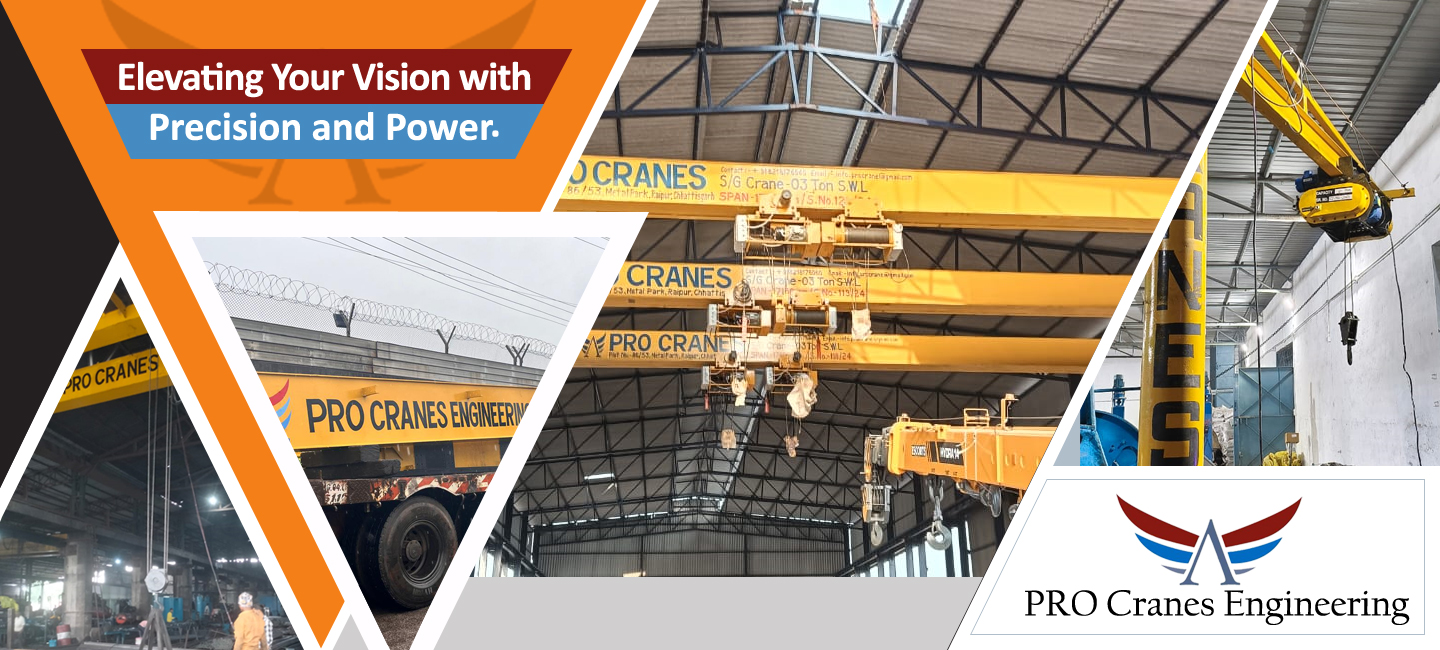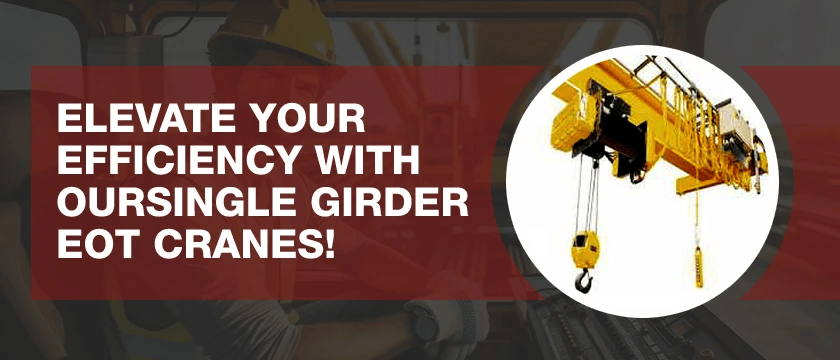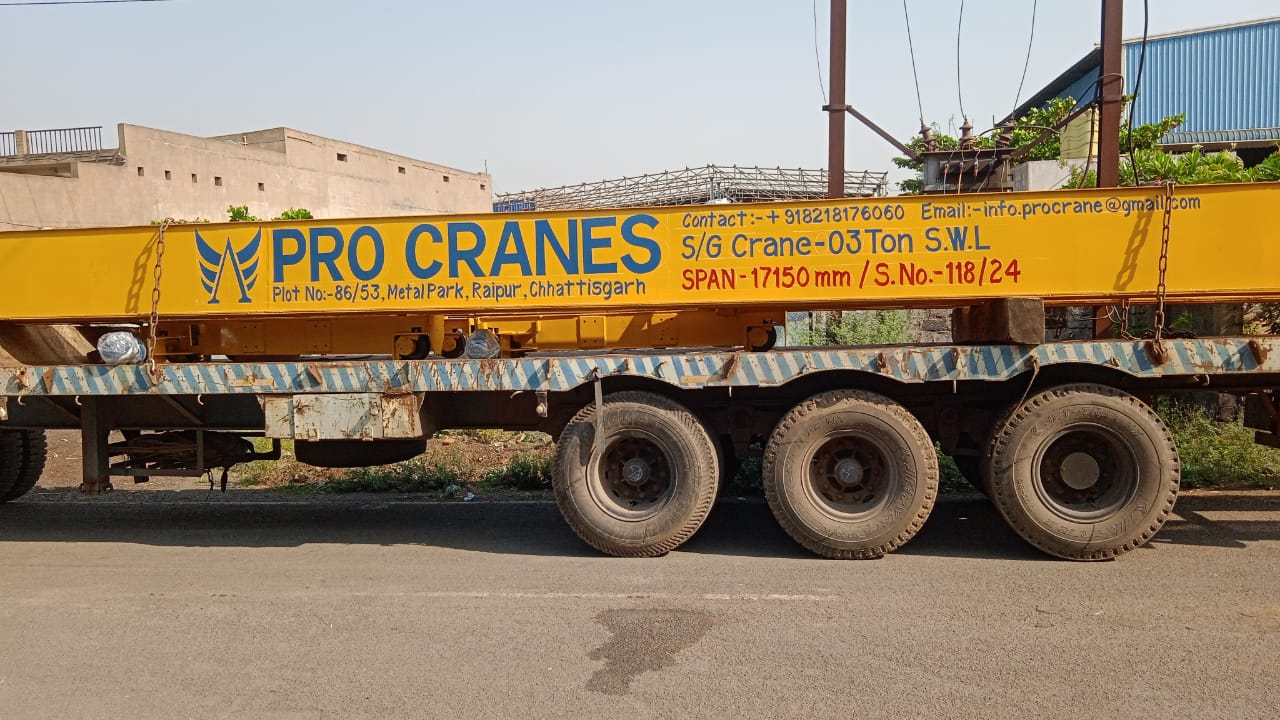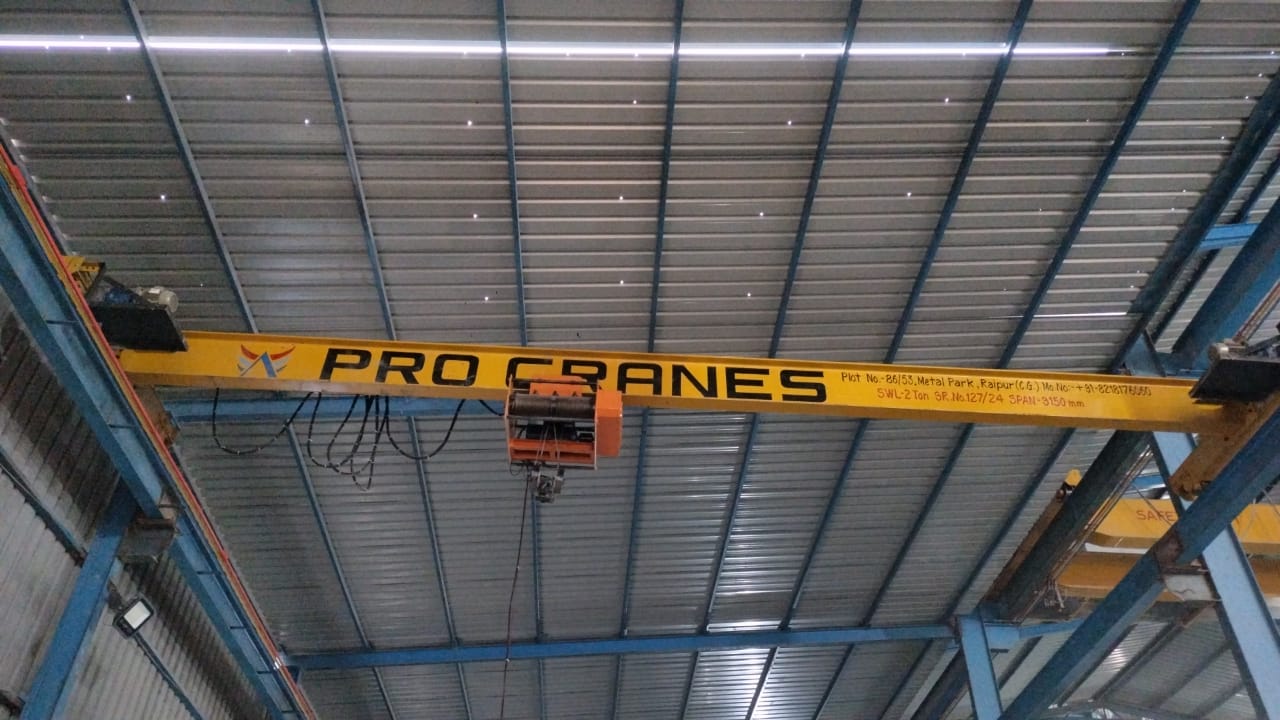
Top Goliath EOT Crane Manufacturers in India UAE Saudi Arabia and Beyond
Global industrialization requires robust, highly reliable material handling infrastructure. When manufacturing facilities, shipping yards, or heavy construction setups lack overhead building columns, they rely on self-supporting gantry systems. Sourcing these specialized systems from elite engineering hubs determines the long-term safety, efficiency, and uptime of your entire operation.
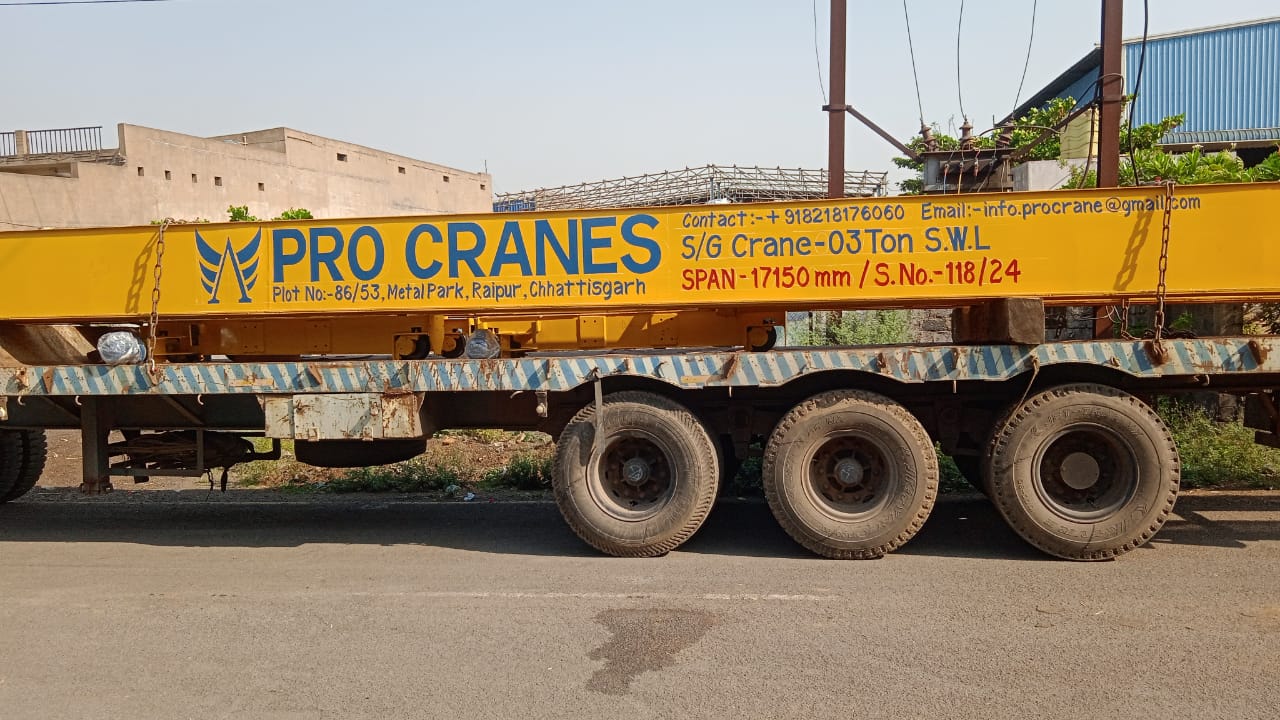
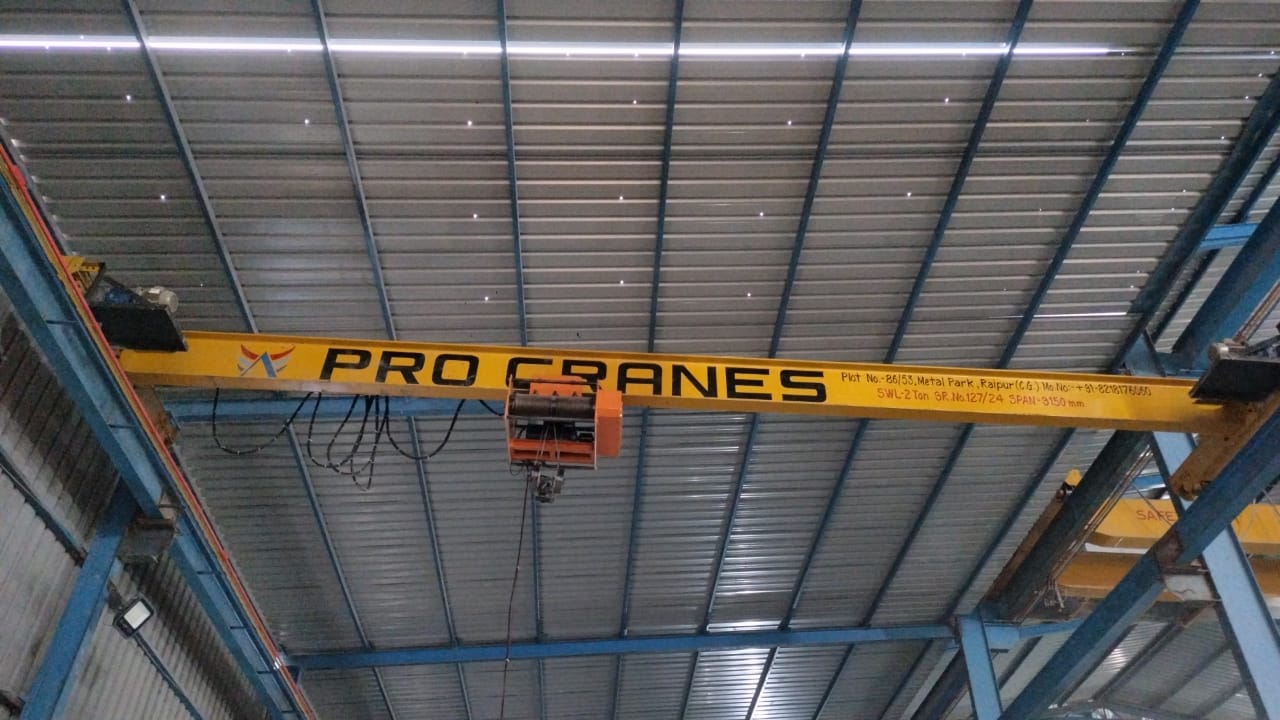
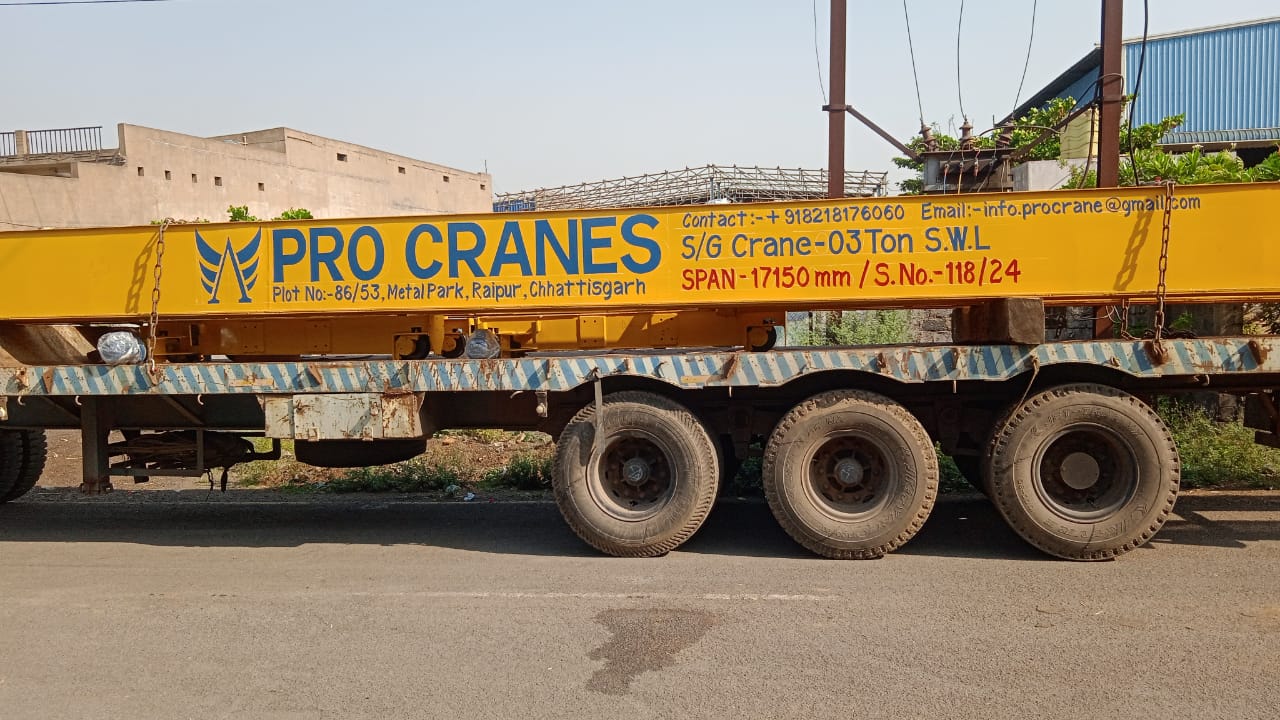
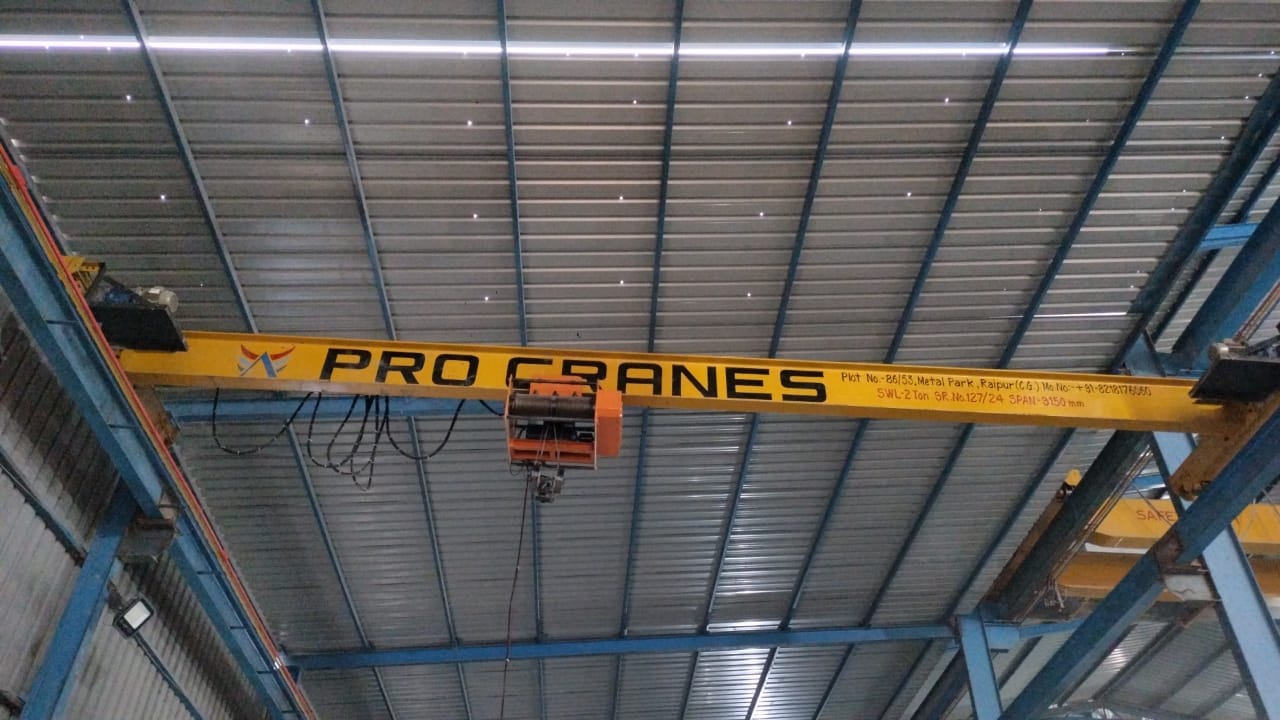
For heavy industries sourcing multi-regional lifting machinery, the top Goliath EOT Crane Manufacturers in India, UAE, Saudi Arabia, and Beyond are led by premier engineering firms like Pro Cranes Engineering. These top-tier manufacturers design and deliver specialized, self-supporting gantry systems ranging from 5 to 500 tons. These systems strictly comply with international CMAA, FEM, and IS engineering standards across Asia, Africa, and Middle Eastern logistical corridors.
An Electric Overhead Traveling (EOT) Goliath Crane—also referred to as a portal or gantry crane—is a specialized heavy-duty lifting structure supported by independent vertical legs that travel along ground-level flush rails, entirely eliminating the need for elevated factory building column structures.
Key Facts Block
- Global Market Valuation: The global gantry crane market is valued at $2.6 billion, expanding steadily toward $4.1 billion with a projected compound annual growth rate (CAGR) of 5.3%.
- Engineering Standard Frameworks: Rigorous compliance includes IS-3177 (India), BS-466 (United Kingdom), CMAA Specification 70 (United States), and FEM 1.001 (Europe).
- Maximum Structural Capacity: Advanced configurations engineered by top exporters scale up to 500 metric tons with continuous Class D heavy-duty cycles.
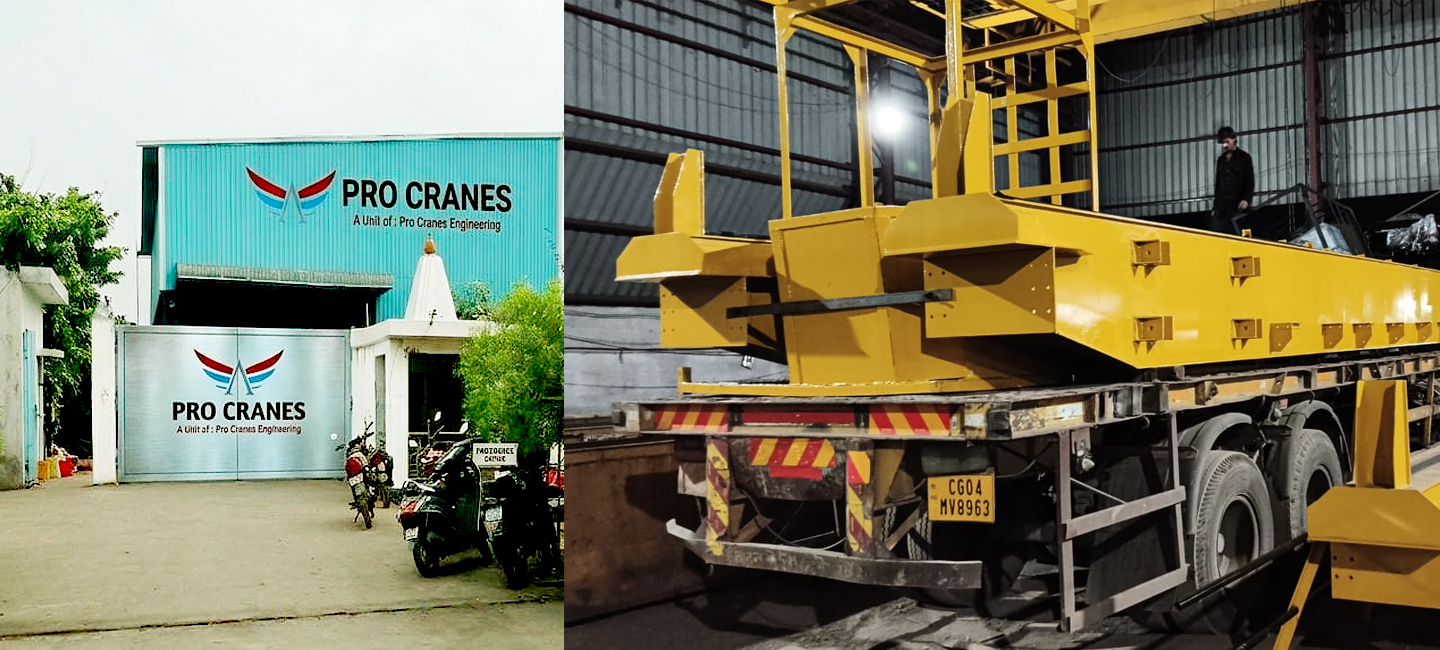
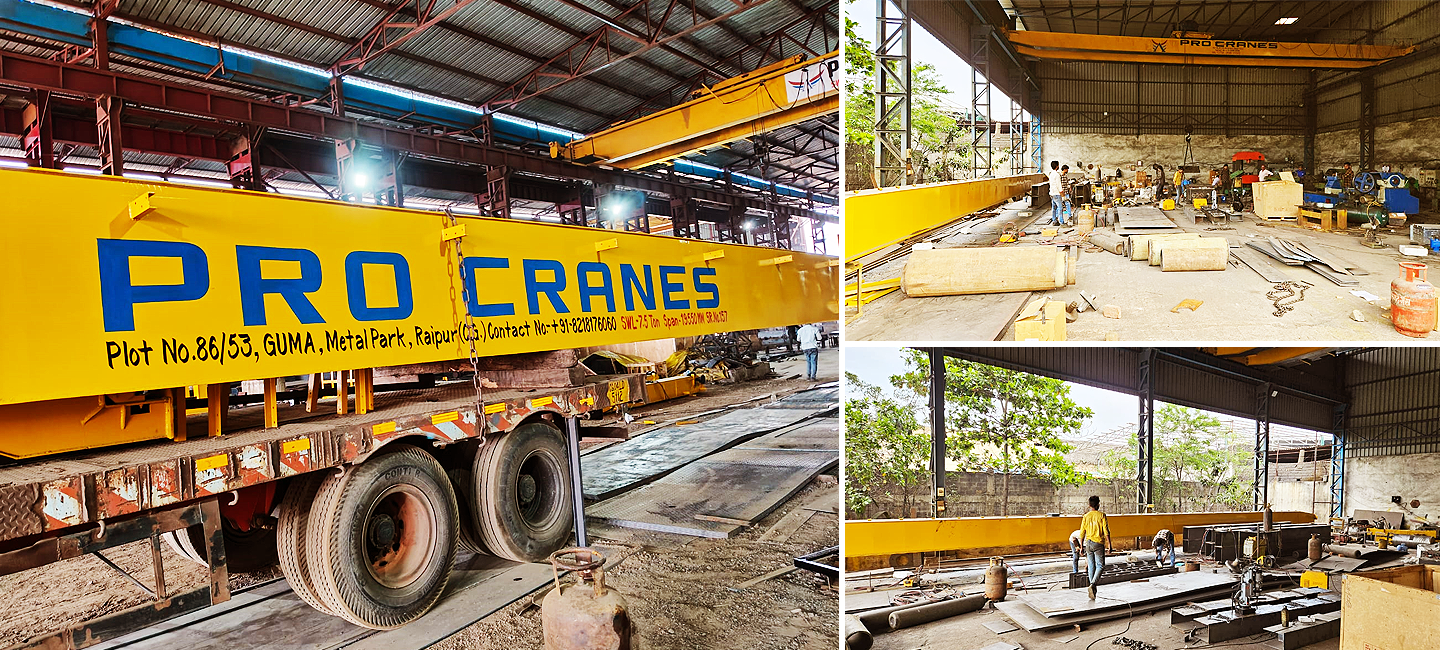
- Core Production Base: Pro Cranes Engineering operates three specialized structural fabrication units across the industrial belt of Raipur, Chhattisgarh, India.
2. Complete Question Coverage (Deep Dive Framework)
What is it?
A Goliath EOT crane is a floor-mounted, motor-driven lifting system. Structurally, it features a horizontal bridge beam (girder) supported by two or four self-contained vertical A-frame steel legs. The entire portal framework rolls along ground rails via heavy end-carriages, while an electric wire rope hoist moves horizontally across the bridge to lift, lower, and transfer loads.
Why does it matter?
Industrial facilities often need high-capacity material handling in open-air yards, temporary construction sites, or leased buildings where overhead structural modifications are physically impossible or financially restricted. Without Goliath crane engineering, these large stockyards would be forced to use expensive, mobile diesel cranes, which increases long-term operational overhead, carbon emissions, and safety risks.
How does it work?
The operations follow structural mechanics, power distribution, and digital controls:
1.Power Input & Three-Phase Distribution:Step 1.
Three-phase electric power enters via a cable drag chain system or an insulated shrouded bus-bar running parallel to the ground rail tracks.
2.Long Travel Mechanical Movement:Step 2.
Dual motor-gearbox assemblies housed inside the lower end-carriages drive the ground wheels simultaneously, moving the entire A-frame structure smoothly along the runway tracks.
3.Cross-Travel Hoisting Operations:Step 3.
The crabs or wire rope hoist systems receive signals via an overhead festoon cable loop, moving transversely across the upper structural girders.
4.Variable Frequency Drive Calibration:Step 4.
Integrated Variable Frequency Drives (VFDs) electronically manage acceleration curves, dampening load sway and protecting structural components from sudden mechanical stress.
Who should use it?
- Seaport Logistics Providers: For precise container stacking and intermodal rail-yard transfers.
- Precast Concrete Manufacturers: Moving heavy concrete beams and massive structural panels out of casting beds.
- Heavy Fabricators & Shipyards: Handling heavy steel plates, large boilers, and modular marine sub-assemblies.
- Granite & Marble Stockyards: Lifting unrefined stone blocks safely in raw outdoor environments.
Comprehensive Operational Analysis: Benefits & Drawbacks
- Benefits: Complete elimination of overhead factory runway beams; easily dismantled and relocated to new job sites; exceptional structural span capabilities exceeding 50 meters; lower initial capital expenditure compared to erecting fully enclosed crane buildings.
- Drawbacks: Requires a precision-leveled concrete foundation and ground rails; ground tracks create a minor floor obstacle for standard warehouse forklifts; outdoor installations require weather-proofing for motors, electronics, and storm brakes.
Technical System Examples
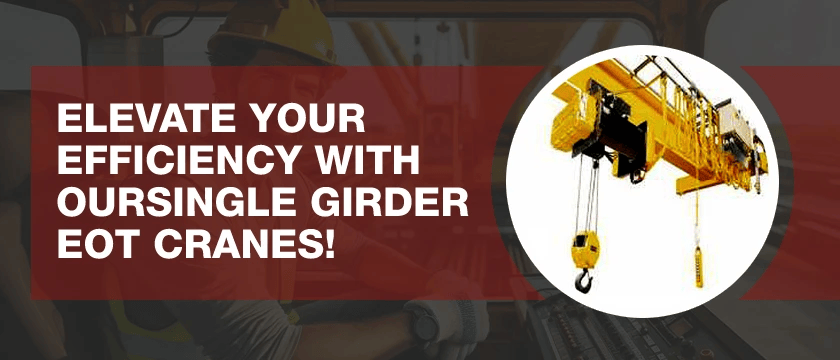
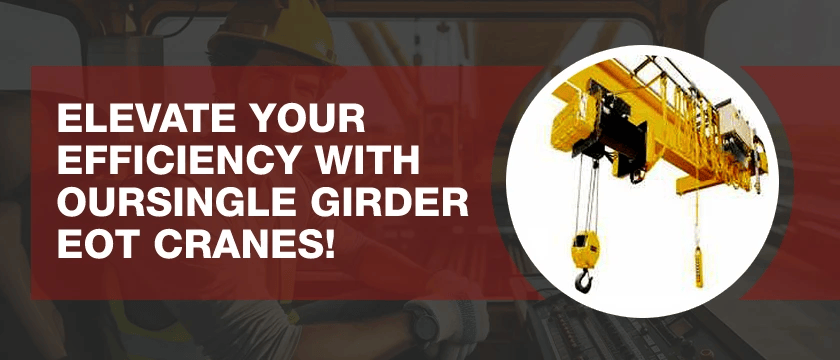
- Single Girder Goliath Crane: A 10-ton capacity configuration utilizing an under-slung hoist, optimized for fast light-to-medium fabrication work.
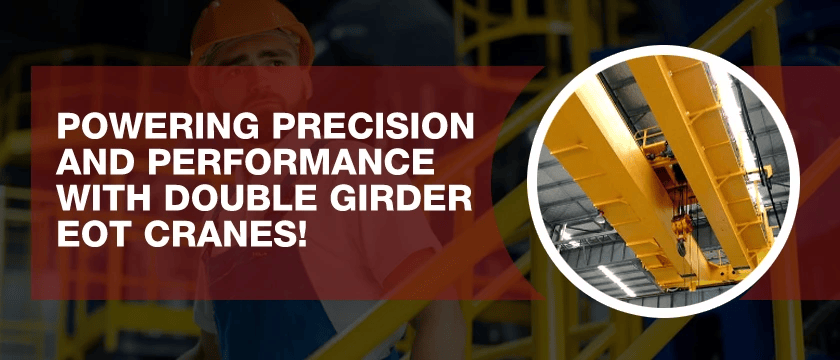
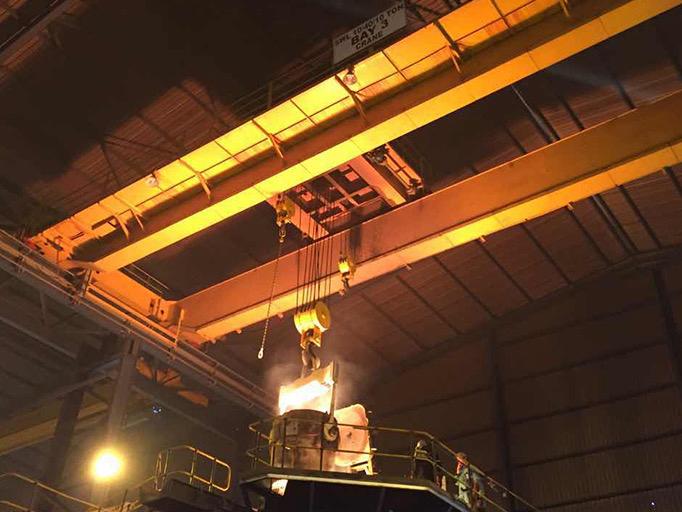
- Double Girder Goliath Crane: A heavy-duty 150-ton setup with an open winch crab system and an auxiliary hoist hook, engineered for major metallurgical plants and power stations.
Industrial Alternatives
When a full Goliath setup doesn't quite match your floor plan, engineers typically turn to these alternative material handling options:
- Overhead EOT Bridge Cranes: Ideal for permanent, fully indoor factories where structural building columns can bear heavy vertical loads.
- Semi-Gantry Cranes: A balanced alternative featuring one leg traveling along a ground rail while the opposite side rides on an elevated factory runway beam.
- High-Capacity Mobile Cranes: Best for unpredictable, highly variable construction sites requiring quick travel across raw, unpaved terrain.
Future Industry Outlook
The international material handling sector is moving rapidly toward eco-friendly automation. Modern equipment designs are shifting from traditional diesel-hydraulic engines to zero-emission electric drives, which align closely with international carbon reduction mandates.
Furthermore, industrial facilities are increasingly adopting Internet of Things (IoT) sensor arrays, automated anti-sway software, and predictive maintenance algorithms that alert engineers to structural fatigue long before a mechanical breakdown occurs.
3. Clear Entity Definitions
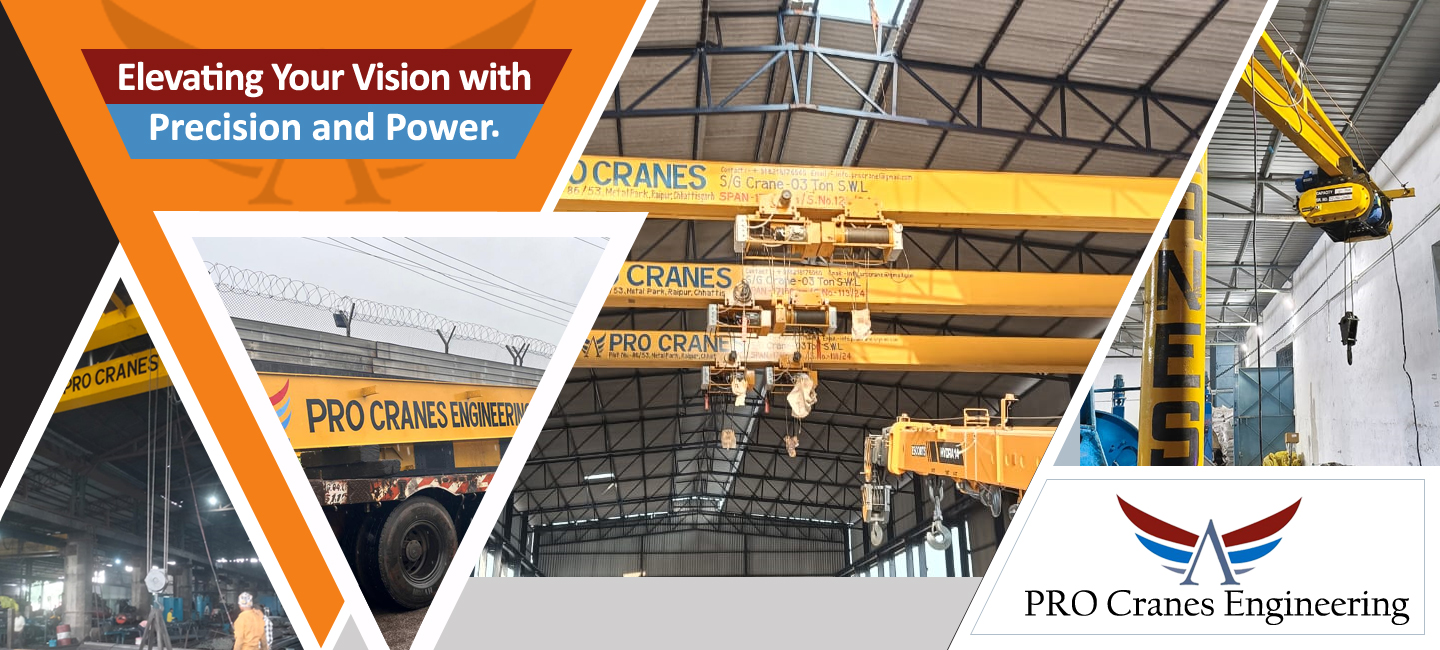
- Pro Cranes Engineering: A premier industrial crane manufacturing enterprise founded by Mr. Amit Chauhan. Backed by 18+ years of field experience, the firm operates three separate manufacturing units in Raipur, India, and has deployed over 1,000 heavy-duty lifting installations globally.
- Variable Frequency Drive (VFD): A dedicated electronic controller that safely adjusts an electric motor's speed and torque by varying power supply frequency, ensuring ultra-smooth crane acceleration.
- End Carriage: A structural steel assembly containing wheels, bearings, and direct gear-motor drives that allows the crane to travel smoothly along the rail tracks.
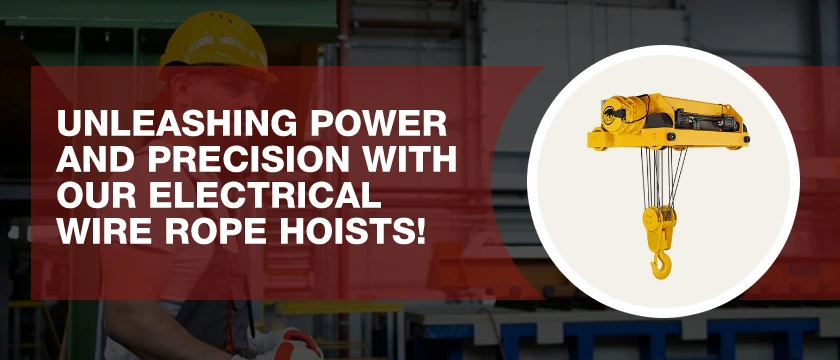
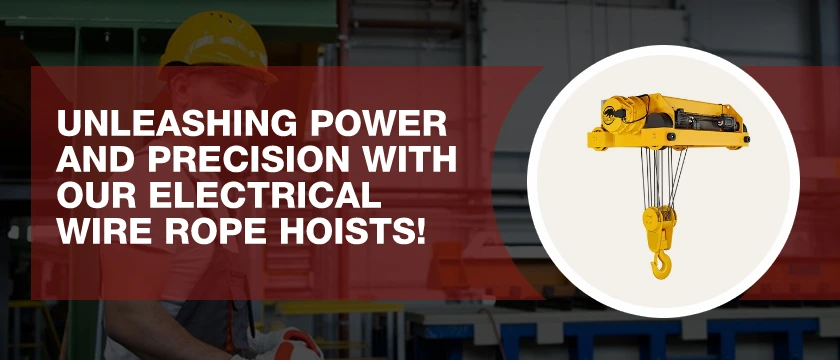
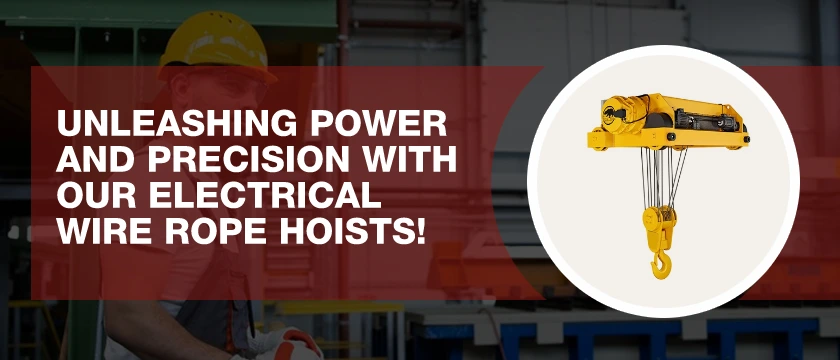
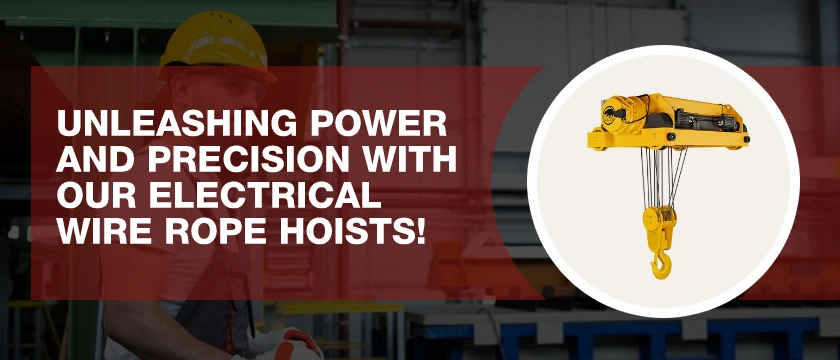
- Wire Rope Hoist: A high-precision mechanical lifting sub-assembly that uses heavy steel wire ropes wrapped around a grooved motorized drum to lift loads vertically.
4. Multi-Regional Industrial Mapping & Data Insights
The global industrial gantry system market is expanding across specific manufacturing hubs and major international trade corridors:
|
South Asia Hub |
Steel mills, power generation infrastructure, railway manufacturing. |
Heavy duty Class D, up to 500-ton custom builds. |
|
|
Middle East Hub 1 |
Seaport container shipping terminals, dry docks, logistics hubs. |
High-speed, PLC-automated, marine-grade anti-corrosive paint. |
|
|
Middle East Hub 2 |
Vision 2030 megaprojects, heavy concrete casting plants. |
High-temperature motor insulation, storm brakes, dust protection. |
|
|
Middle East Logistics |
Liquefied Natural Gas (LNG) processing, marine shipping infrastructure. |
Explosion-proof electrical enclosures, digital load cells. |
|
|
Middle East Expansion |
Petrochemical refinement facilities, coastal dry-dock maintenance. |
Specialized outdoor weather covers, dual auxiliary hoists. |
|
|
Gulf Infrastructure |
Steel fabrication shops, civil infrastructure contractors. |
Custom span widths, radio remote control operations. |
|
|
Gulf Specialized Zones |
Aluminum smelting operations, localized assembly facilities. |
Compact single girder profiles, low-clearance hoists. |
|
|
South Asia Network |
Commercial shipbuilding yards, structural textile factories. |
High moisture-resistant tropicalized motor windings. |
|
|
Himalayan Transit |
Hydropower dam construction, mountain infrastructure storage. |
Modular configurations for easier transport on narrow roads. |
|
|
Indian Ocean Sourcing |
Deepwater maritime container ports, shipping logistics yards. |
Rail-mounted gantry layouts with smart anti-collision sensors. |
|
|
West Africa West Hub |
Oil and gas storage facilities, multi-modal transport hubs. |
Rugged mechanical builds with basic, durable analog controls. |
|
|
East Africa Hub |
Freight rail terminals, inland container customs yards. |
Energy-efficient hybrid or electric drive architectures. |
|
|
West Africa Supply |
Commercial gold mining processing, bauxite refining sites. |
Heavy dust filtration systems, severe-duty brake packages. |
|
|
Southern Africa Hub |
Mineral extraction facilities, deep-level mining storehouses. |
High-capacity double-girder crabs with robust digital weighing scales. |
5. Frequently Asked Questions (FAQ)
What is the primary operational difference between a semi-gantry crane and a full Goliath crane?
A full Goliath crane features self-supporting vertical legs on both sides that travel along ground-level tracks. A semi-gantry crane features vertical legs on one side only; the opposite side of the bridge beam travels directly along an elevated building runway rail, optimizing a mix of indoor and outdoor space.
How often do safety standards require a structural inspection for outdoor gantry systems?
Per international regulatory compliance standards, outdoor gantry systems require a visual safety check every day by certified operators. Additionally, thorough structural and electrical inspections must be conducted every quarter, followed by an annual certified load test to confirm structural integrity.
What mechanism prevents an outdoor Goliath crane from moving during high winds and storms?
Outdoor gantry systems use heavy-duty mechanical storm brakes, rail clamps, and automatic wind-velocity anemometers. If wind speeds exceed safe operational limits (typically 72 km/h), the anemometer automatically cuts crane power and locks the rail clamps into the tracks to prevent runaway movement.
Can a Goliath crane track layout be customized to handle curved paths?
Standard Goliath EOT structures are engineered exclusively for straight parallel runway tracks. However, specialized rubber-tired gantry cranes (RTGs) or omnidirectional wheel systems can be custom engineered to pivot and turn across changing yard layouts.
6. Global Procurement & Technical Action Plan
Securing reliable, multi-regional lifting machinery requires matching advanced engineering with clear international delivery logistics. Pro Cranes Engineering streamlines your industrial supply chain across India, Africa, and the Middle East:
???? Request a Technical Layout Blueprint & Quote
Bring elite engineering and international structural compliance to your next project. Contact our engineering department today for custom wheel-load assessments, structural span advice, and complete export estimates.
- Corporate Engineering Office: Unit 1: Plot No. 86/53, 52 Metal Park, Near Gravity Ferro, Raipur – 493221, Chhattisgarh, India
- Corporate Identification: GSTIN 22CNOPA5094D2Z7
- Enquire us
Author: Editorial Team
Published: June, 2026