Best Single Girder EOT Crane Company in Ghana
Heavy-duty material handling across Ghana's primary industrial zones—from the bustling port infrastructure of Tema to the expansive mining installations in Tarkwa and Obuasi—demands absolute structural reliability. When factory floor configurations require an optimized lifting footprint that balances high structural rigidity with a lightweight deadweight profile, finding an experienced engineering partner becomes a high-stake corporate decision.
If your engineering team is evaluating overhead lifting options, you are likely looking for a system that cuts structural strain on your facility while eliminating production-line halts. This in-depth guide showcases the engineering requirements implemented by the Best Single Girder EOT Crane Company in Ghana, breaks down common field operational errors, and addresses specific West African environmental realities to protect your structural investment.
The Physics of Optimized Overhead Material Handling
Understanding why a Single Girder Electric Overhead Traveling (EOT) Crane serves as the structural backbone for mid-to-heavy industrial layouts requires a quick look at structural engineering.
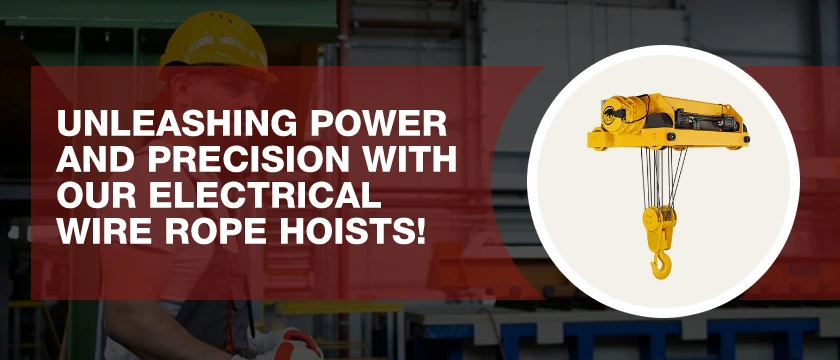
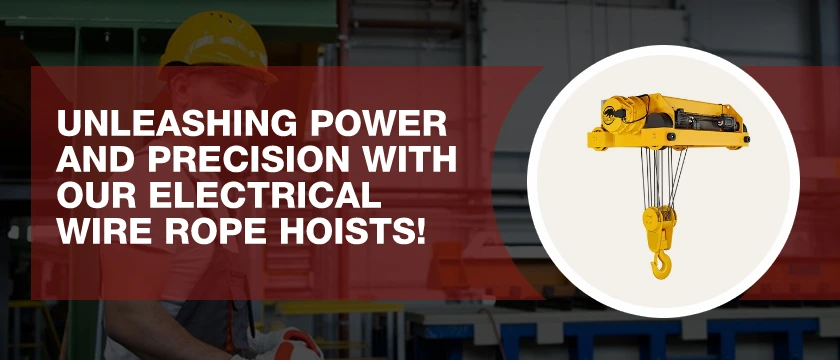
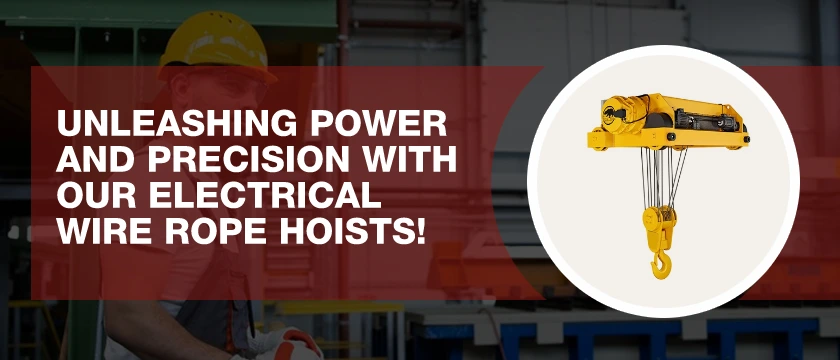
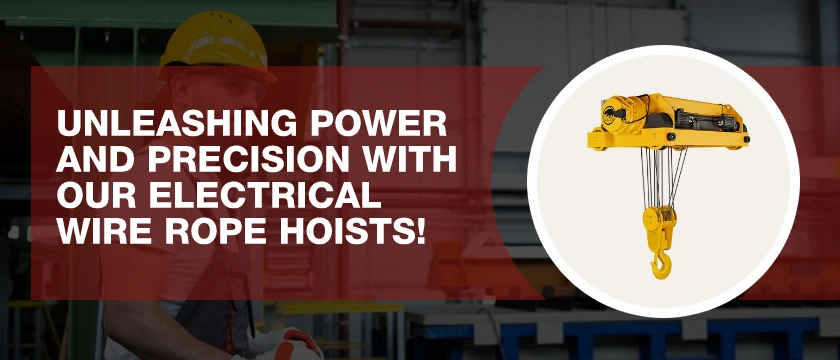
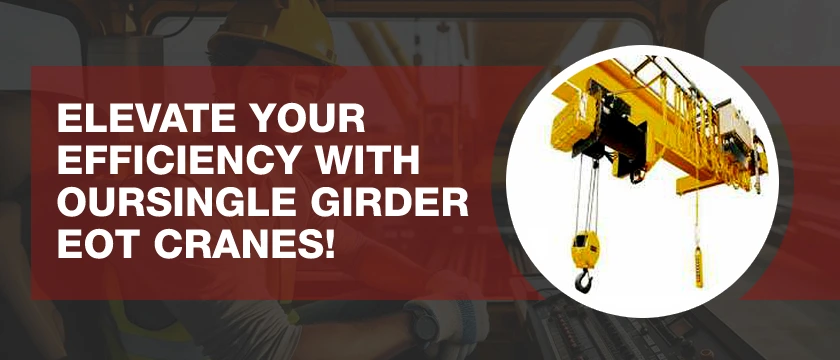
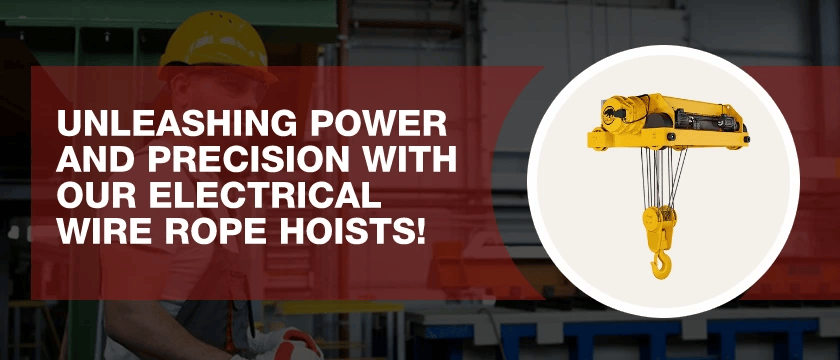
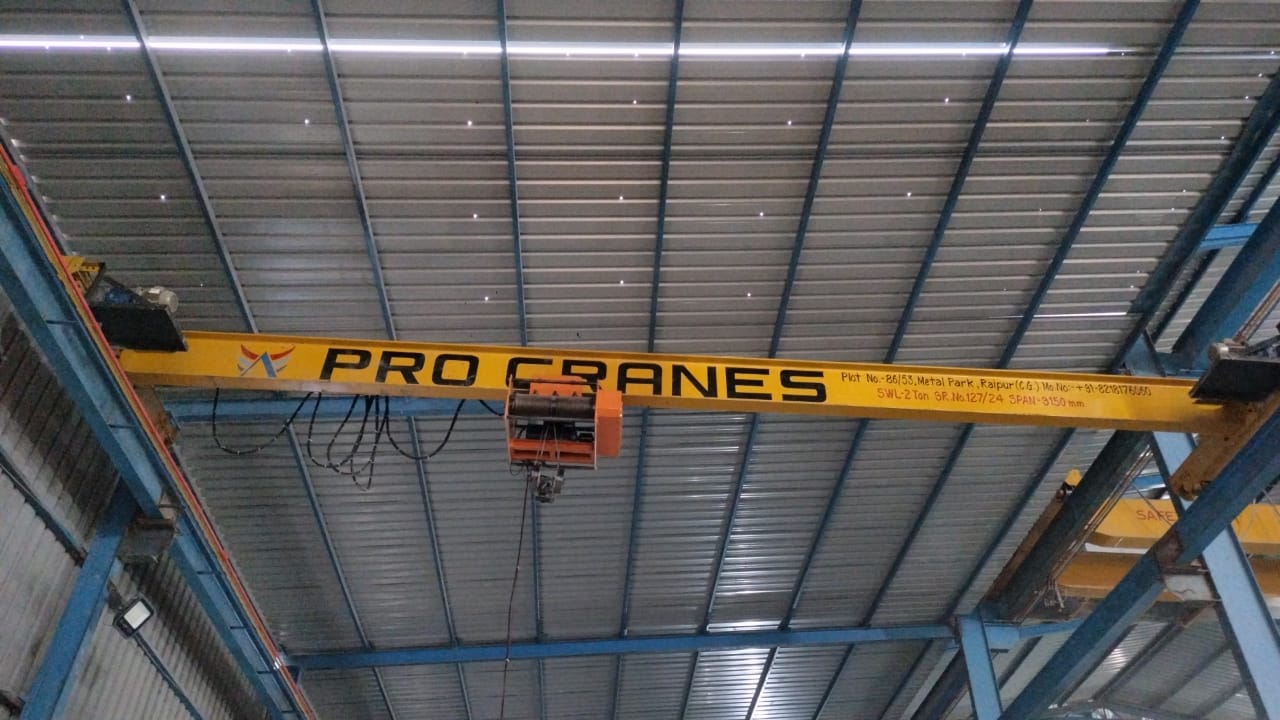
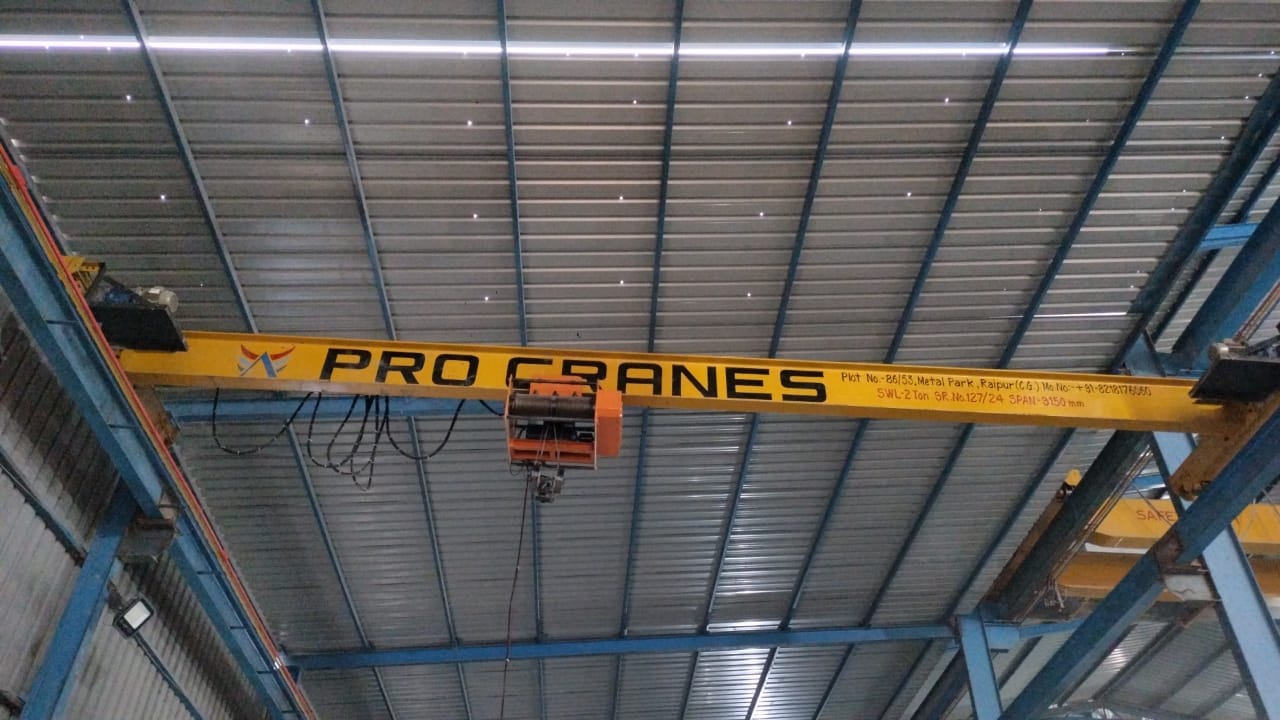
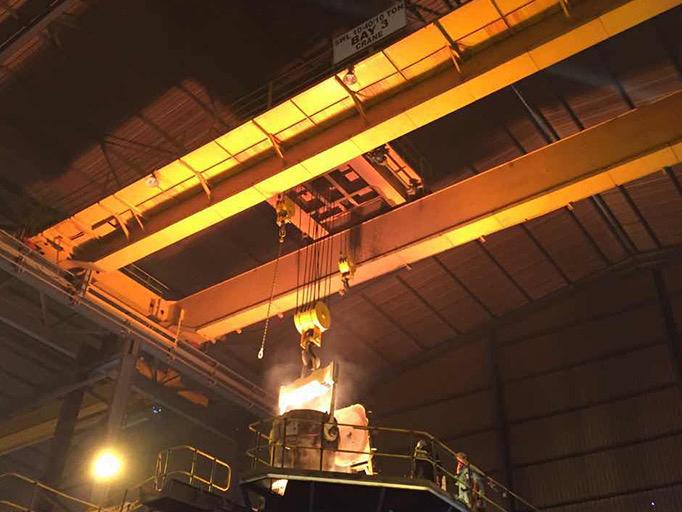
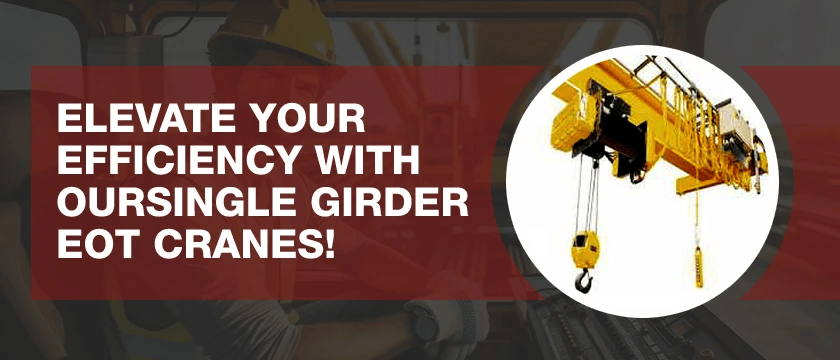
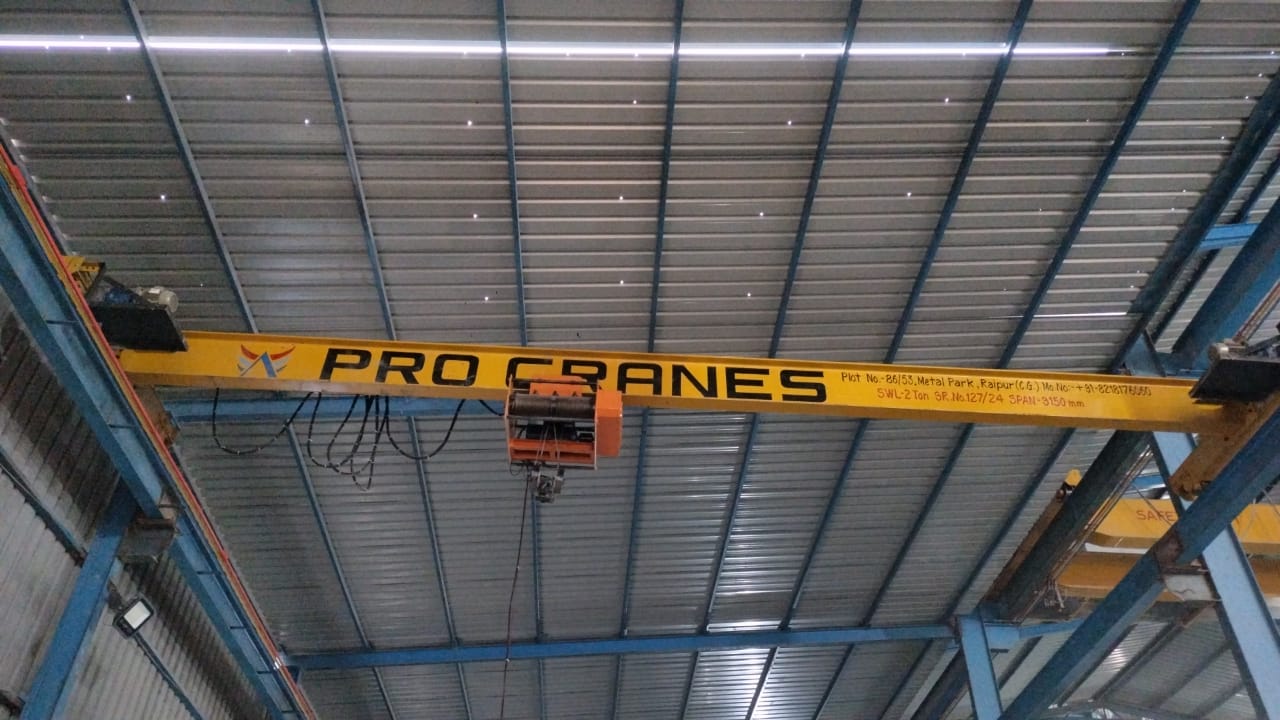
Unlike a double-girder setup where the crab trolley travels on top of twin cross-beams, a single girder system features a solitary high-tensile box or rolled section beam. The electric wire rope hoists under-slings directly from the lower flange of this single main beam.
+-----------------------------------------------------------+
| GANTRY RUNWAY RAIL |
+-----------------------------------------------------------+
|
[End Truck Assemblies]
|
==================== MAIN SINGLE GIRDER ====================
||
[Under-Slung Hoist]
||
(Load Hook)
This structural framework yields a definitive physical payoff: minimized structural mass. By lowering the deadweight of the bridge girder, the lateral and vertical forces transmitted to your facility's gantry columns and foundational runway beams are drastically curbed. This enables plant managers to save significant capital on structural steel support profiles and concrete column footings during building design or warehouse expansion.
5 Critical Material Handling Failures in Ghana's Industrial Clusters (And Their Engineering Fixes)
Running overhead heavy machinery within West African industrial corridors presents severe challenges. Production plants frequently battle high ambient moisture, abrasive dust from seasonal Harmattan winds, and irregular power grids.
Below are the five most common mechanical and structural failures experienced by plant operations teams, alongside the exact technical countermeasures built by Pro Cranes Engineering:
1. Advanced Flange Wear from Crane Skewing
- The Hazard: When an overhead crane moves along the runway gantry, it can shift out of true alignment, causing the wheels to crab or drag along the rail heads. This creates intense friction, loud scraping noises, and rapid breakdown of wheel assemblies.
- The Engineering Countermeasure: Pro Cranes Engineering prevents this by precision-machining structural end trucks on single-pass boring machines to guarantee absolute wheel parallelism. This ensures the entire assembly stays perfectly square along the gantry track, eliminating lateral friction.
2. Rapid Core Degradation of Wire Ropes
- The Hazard: High relative humidity along coastal regions like Tema, combined with abrasive particulate matter during the Harmattan season, strips standard lubricants from the inner steel core of wire ropes, causing internal corrosion and dangerous strands snapping.
- The Engineering Countermeasure: Utilizing core-supported, heavy-duty galvanized wire ropes paired with deep-grooved steel rope drums. These systems feature fully enclosed, continuous-lubrication rope guides that block external dust infiltration while preserving the core's structural flexibility.
3. Erratic Signals and Power Drops on Conductor Bars
- The Hazard: Open-wire electrical conductors rapidly corrode in highly humid or dusty environments. Carbon-graphite brushes on the collectors lose steady electrical connection, causing sudden voltage drops that trip motor relays and halt line production.
- The Engineering Countermeasure: Moving away from outdated open wires toward totally enclosed, shrouded Down Shop Lead (DSL) multipole busbar tracks. These systems house the copper conductors in impact-resistant PVC enclosures, paired with spring-loaded collectors with self-cleaning shoe profiles to shield the power connection.
4. Thermal Motor Breakdown Under Heavy Duty Cycles
- The Hazard: Standard lifting motors frequently overheat when running long cycles in high ambient facility temperatures, destroying internal stator windings and forcing costly plant shutdowns.
- The Engineering Countermeasure: Equipping hoists with rugged Class H insulated motors (supporting up to 180°C operating limits). These feature integrated bimetallic thermal sensors and heavy-finned aluminum cooling jackets to safely dissipate heat under punishing industrial shifts.
5. Sudden Micro-Jerk Dynamic Stresses
- The Hazard: Direct-on-line (DOL) switching causes instantaneous motor acceleration. This sudden torque burst forces the suspended load to swing violently, applying intense fatigue stresses to the structural weld seams of the main bridge girder.
- The Engineering Countermeasure: Integrating fully programmable Variable Frequency Drives (VFDs) across all cross-travel and long-travel motions. Smooth ramp-up and ramp-down speed profiles stabilize the load, ensure millimeter-level placement precision, and protect the structural welds of the crane.
Matching Material Handling Engineering to Ghana's Major Growth Sectors
A standard, mass-produced crane will inevitably compromise facility safety or break down under specialized duty cycles. Material handling assets must be custom-tailored to the specific workspace they support.
|
Industry Sector |
Typical Facility Footprint |
Essential Structural Feature |
|
Gold Mining & Refineries |
Continuous production, abrasive slurry dust, heavy components |
M5/M6 heavy duty cycles, dust-sealed IP65 panels, true vertical hoist paths |
|
Agro-Processing & Cocoa Mills |
Strict hygiene zones, micro-dust, explosive risk potential |
Explosion-proof (Ex-d) flameproof components, non-sparking bronze hooks |
|
Steel Fabrication & Rolling Mills |
High impact loads, radiant heat, continuous shifting |
Structural box girders (IS:2062), thermal shields, dual-braking configurations |
|
Port Logistics & Warehousing |
Long clearance spans, rapid material stacking, variable loads |
Variable frequency drive (VFD) controls, lightweight profiles, electronic anti-sway |
Structural Integrity Standards: Design Codes
When choosing an overhead crane provider, checking strict adherence to global safety and structural engineering regulations is critical. True structural integrity relies entirely on rigorous math during the initial engineering and material selection phases.
Pro Cranes Engineering builds every single girder system to match standard international safety parameters:
- IS:3177 / IS:4137: Indian Standard codes of practice governing overhead traveling cranes, outlining safety margins, component clearances, and structural tolerances.
- FEM 9.511 / ISO Classifications: International parameters that rank crane mechanisms based on average daily runtime hours and the severity of the load profiles (ranging from light A3 duty up to heavy-duty M8 continuous processing).
- Deflection Control Limits: The vertical deflection of the main bridge box beam under full test loads must never cross $1/750$ of the entire span length for conventional industrial use, ensuring the steel avoids long-term metal fatigue.
Step-by-Step Selection Protocol for Plant Engineers
Before signing off on a new material handling asset, following a structured procurement blueprint ensures the machine integrates perfectly into your building layout without structural retrofitting costs.
1.Identify True Operational Loads and Cycle Duties:Calculate Duty Metrics.
Analyze your maximum recurring lifting demands. Map this against the total daily active run hours to identify the right classification (e.g., lightweight maintenance hooks versus continuous-duty manufacturing profiles).
2.Audit Facility Clearances and Runway Alignment:Verify Space Clearances.
Measure the absolute span from center-to-center of your building's runway rails. Check the vertical distance from the rail top to the lowest roof truss projection to ensure the crane travels safely without striking structural braces.
3.Define Site Environmental Insulation Standards:Select Protection Classes.
Evaluate environmental risks like high humidity, dust, or corrosive chemical fumes. Specify required IP protection classes for electrical junction boxes and determine appropriate protective epoxy coat thicknesses.
4.Audit Weld Testing and Load Verification Controls:Confirm Quality Assurance.
Verify the manufacturer utilizes automated Submerged Arc Welding (SAW) for main box girder assembly. Confirm that Non-Destructive Testing (NDT)—such as Ultrasonic or Magnetic Particle testing—is completed on all structural joints before shipment.
Engineering Insight on Building Load Management: A single girder crane minimizes wheel loads transferred to your warehouse columns. However, if your existing building pillars show slight out-of-plumb deviations, your manufacturing team must configure custom elongated end-truck wheelbases to distribute these moving dynamic forces safely.
Frequently Asked Questions
What is the maximum span capability for a single girder EOT crane?
Single girder cranes are highly efficient and cost-effective for building spans up to 25 meters. If your facility span exceeds this threshold, structural deflection limits usually dictate moving to a double-girder setup or upgrading the single beam into a deeply engineered, custom-fabricated steel box girder to eliminate sag under load.
How does Pro Cranes Engineering handle product shipping and installation across Ghana?
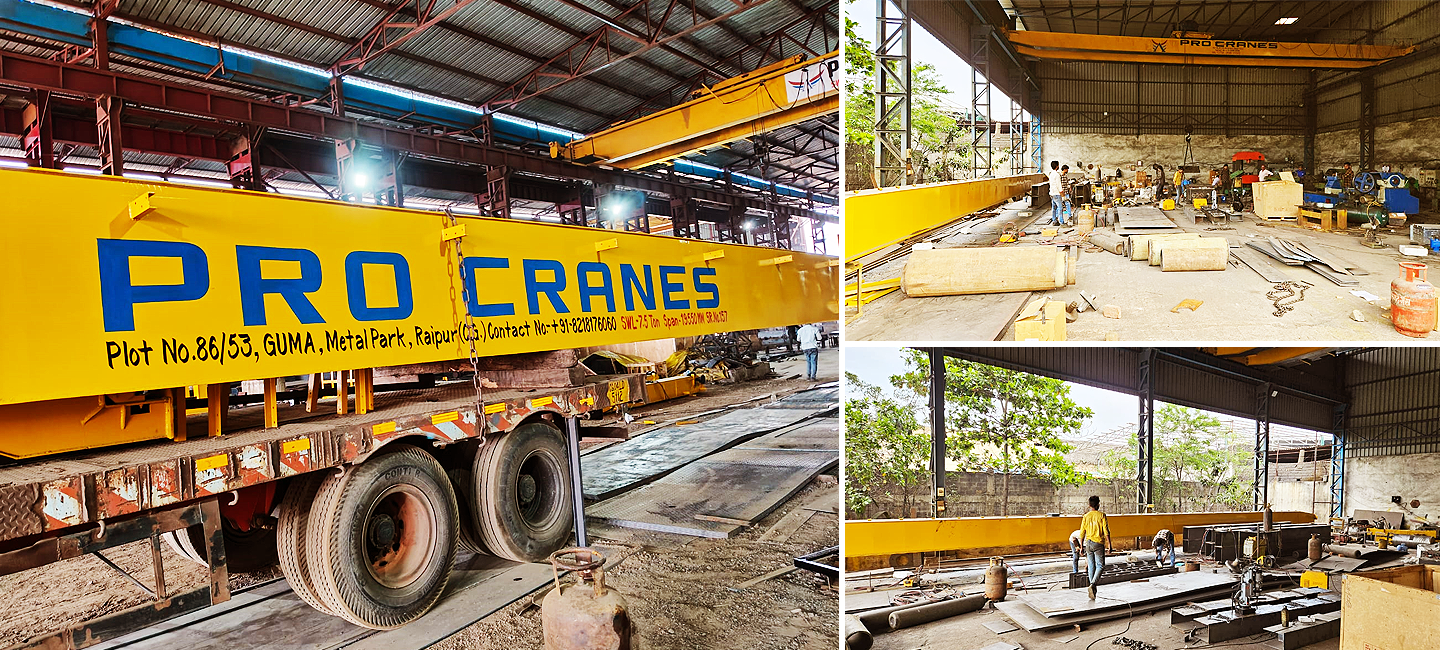
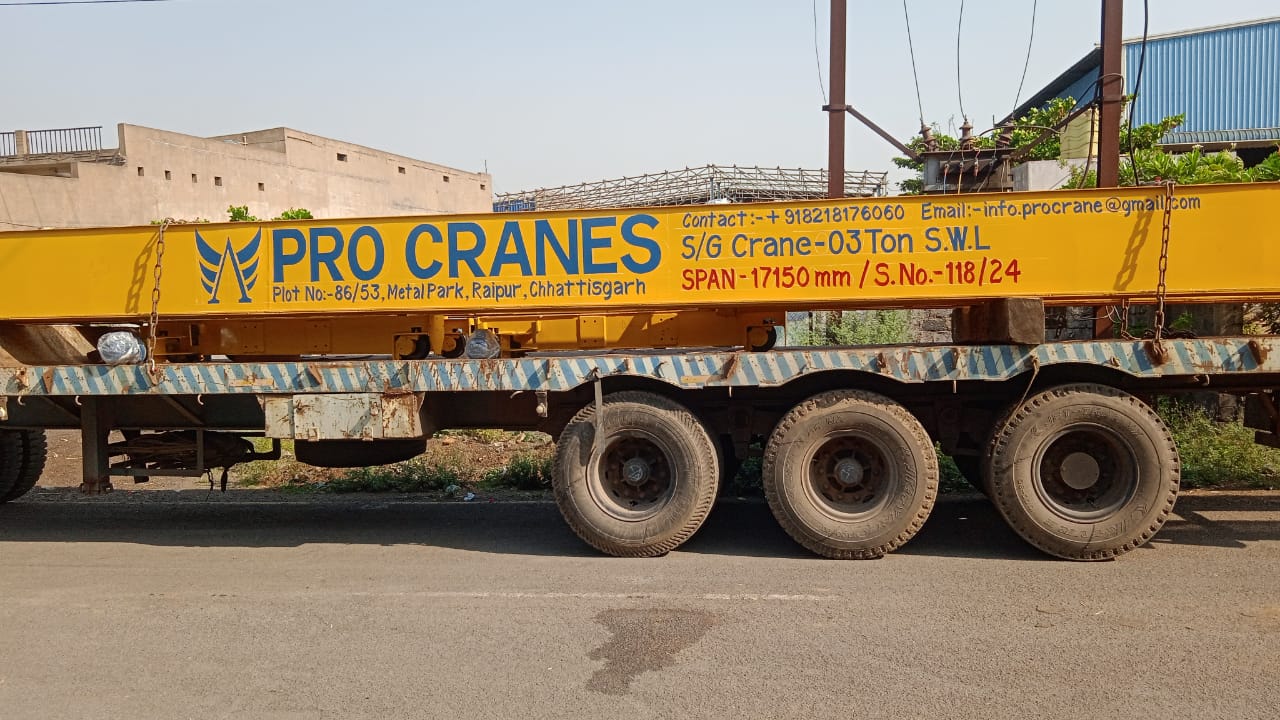
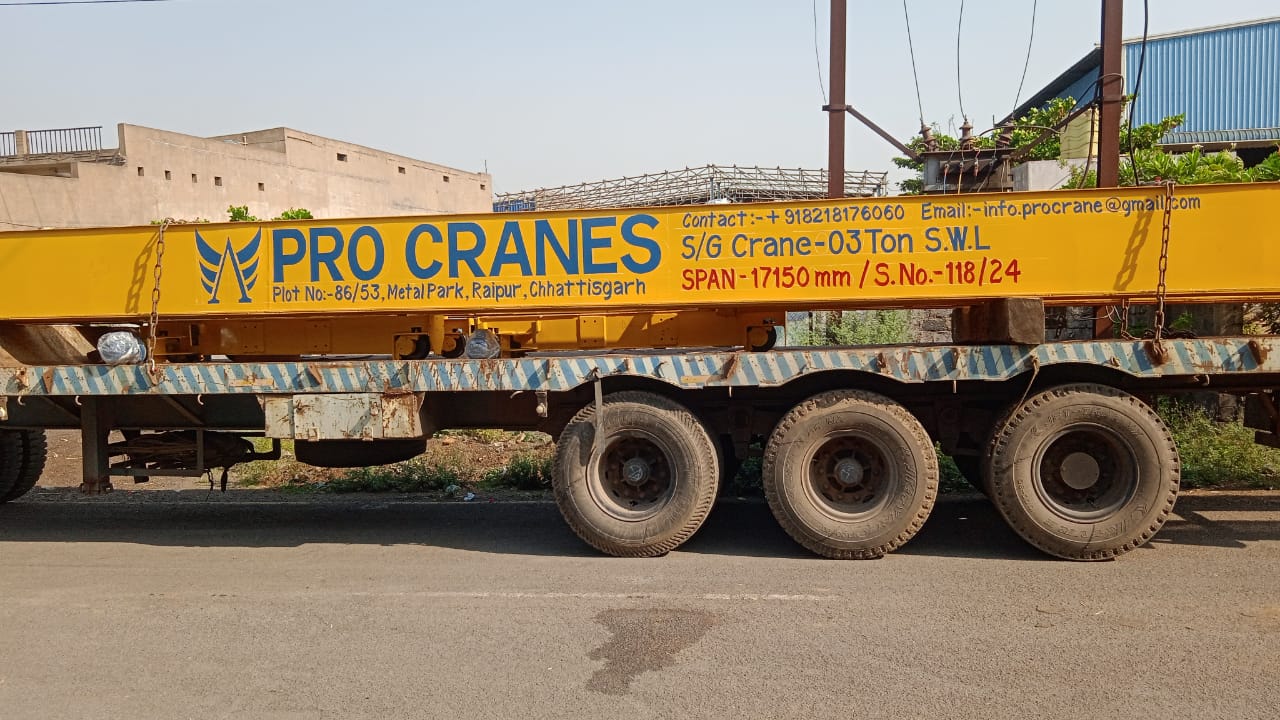
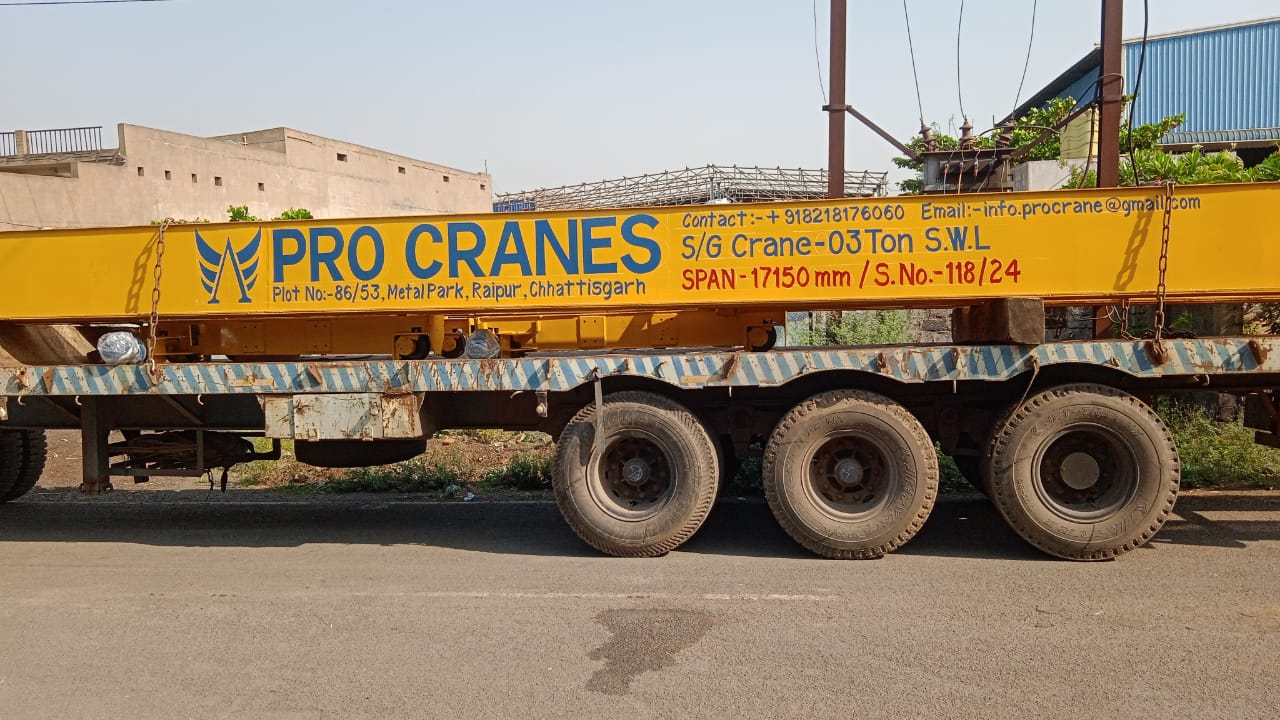
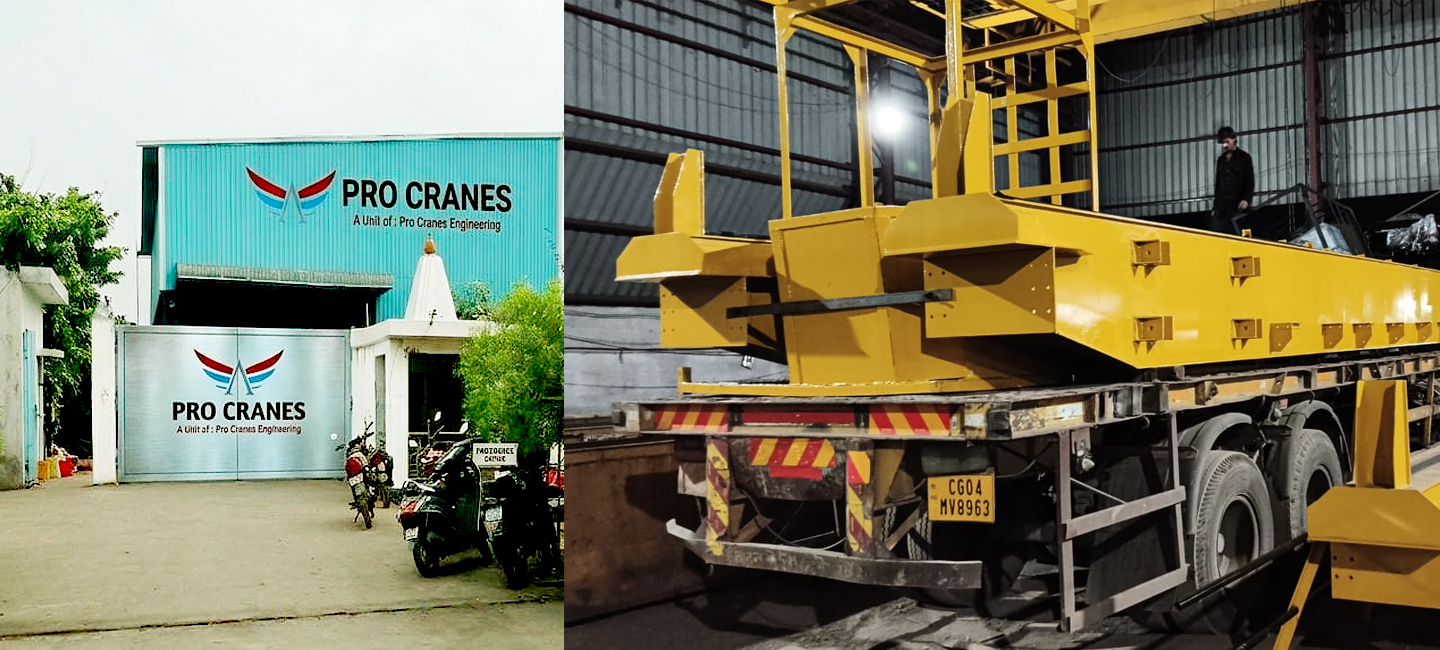
Pro Cranes Engineering fabricates high-precision overhead lifting systems at its heavy manufacturing headquarters, ensuring all structural components match strict quality standards. Girders, end trucks, and hoists are carefully created and shipped via reliable global container lines directly to Ghana. The company's specialized field engineering partners manage on-site assembly, precise rail tracking, and mandatory load testing to ensure seamless commissioning.
Why use a custom box girder instead of a standard I-beam profile?
For light capacities (typically below 5 tons) and short spans, a standard rolled steel I-beam is chosen to keep project costs lower. For wider building spans or heavier industrial weights (up to 20 tons), a custom box girder is built by welding high-tensile steel plates together. This provides superior torsional stiffness and prevents lateral buckling under intense movement.
How frequently should an EOT crane undergo structural safety audits in tropical climates?
International safety frameworks mandate a full compliance audit once a year under standard conditions. However, for cranes running in high-severity environments—such as marine ports, damp mining sheds, or hot steel mills—quarterly mechanical checkups and monthly wire rope inspections are strongly advised to catch corrosion early.
Investing in heavy material handling machinery requires analyzing a vendor's structural welding standards, material documentation, and engineering experience. Partnering with an expert industrial manufacturer ensures your plant operations stay safe, reliable, and perfectly optimized for long-term production growth.
For a visual breakdown of how these material handling assets operate under real-world factory loads, you can review this Single Girder EOT Crane Demonstration. This video showcases the structural movement of a high-span single girder setup, highlighting the long-travel tracking and smooth under-slung hoisting mechanics under active load testing conditions.