Double Girder EOT Cranes for Steel Plants in India and GCC
Complete guide for steel plants in India and GCC on Double Girder EOT Cranes, selection, capacity, applications, safety, and efficiency improvements for industrial material handling.
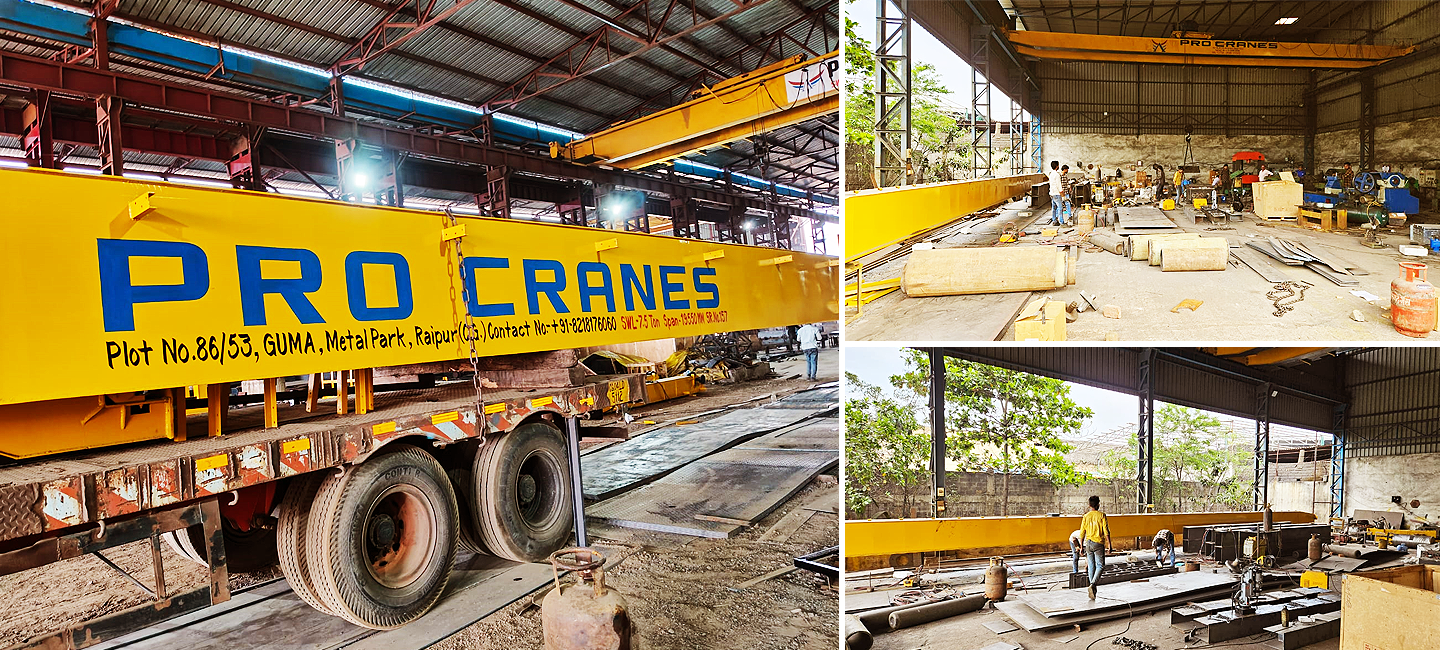
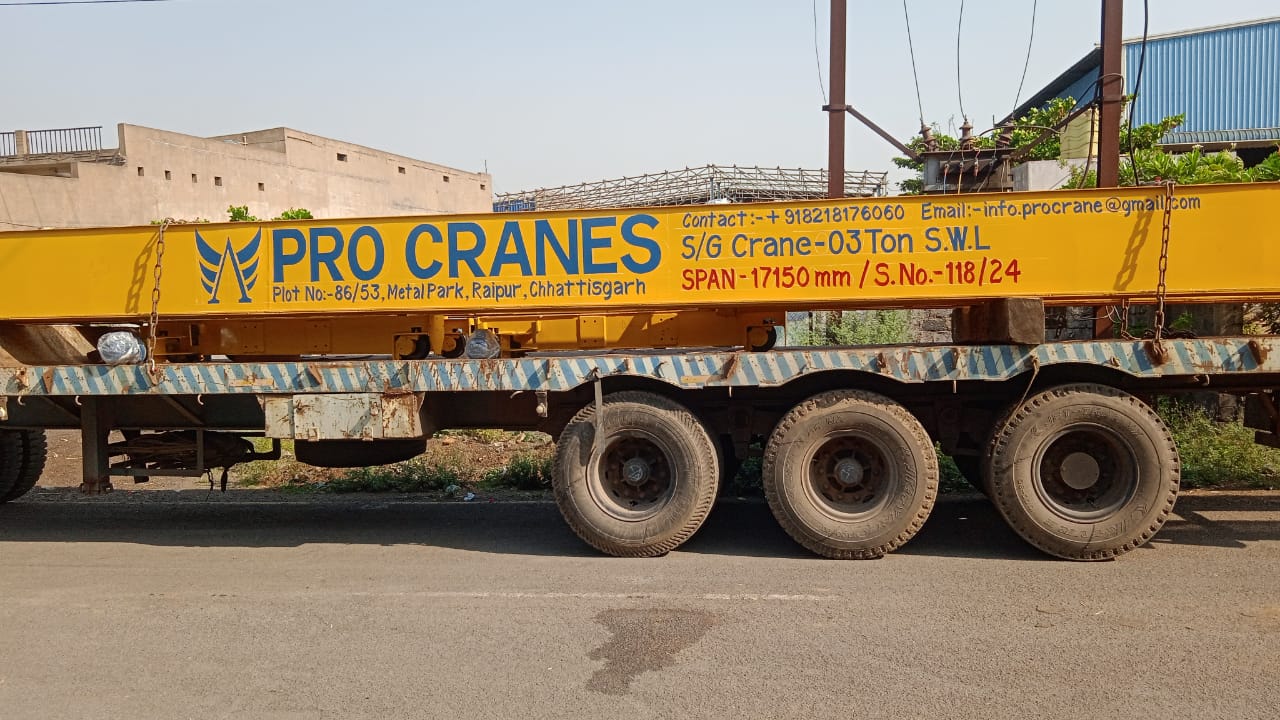
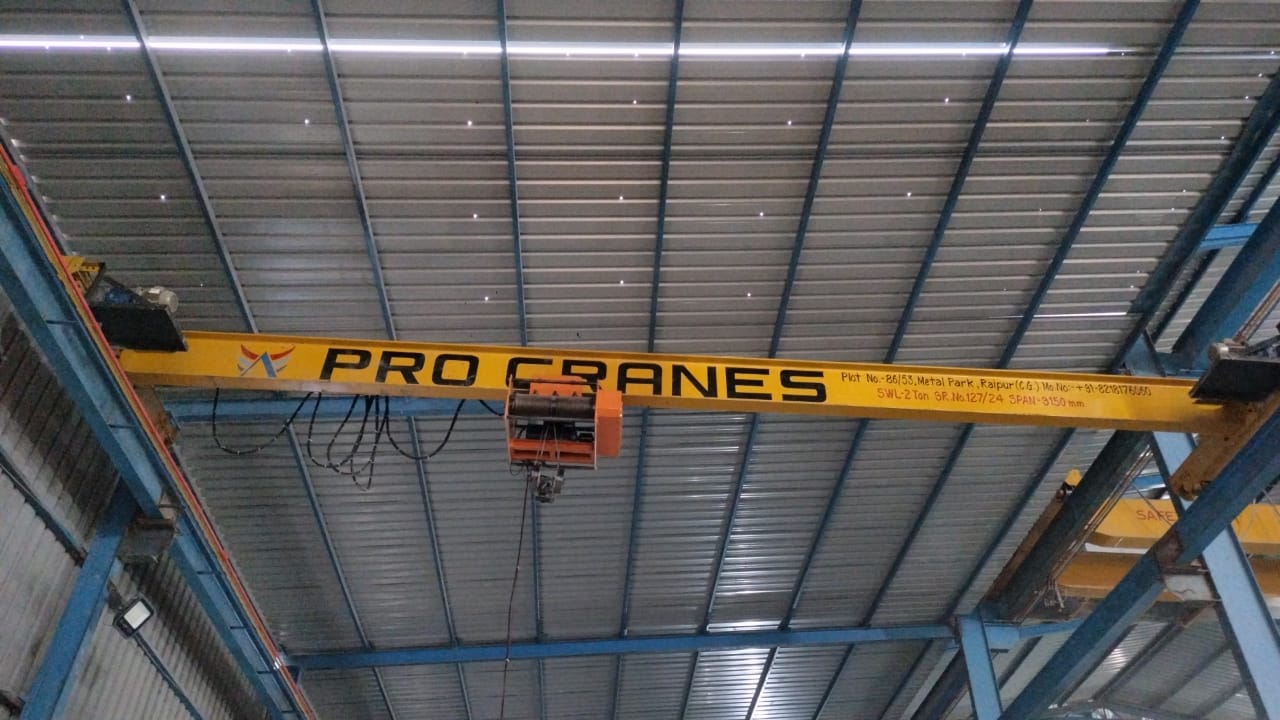
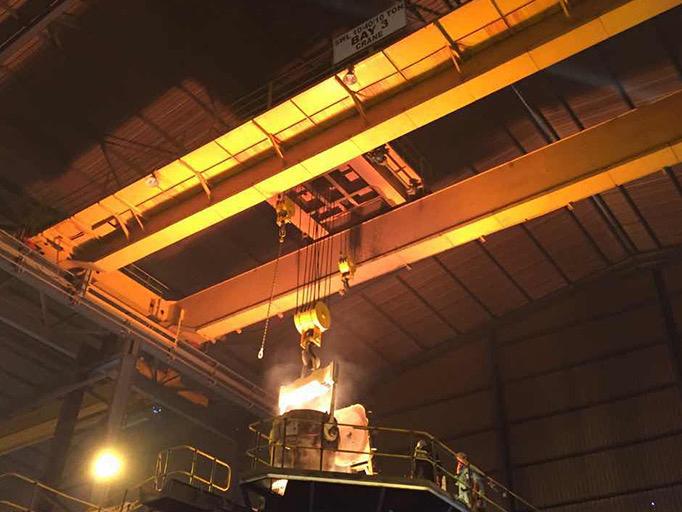
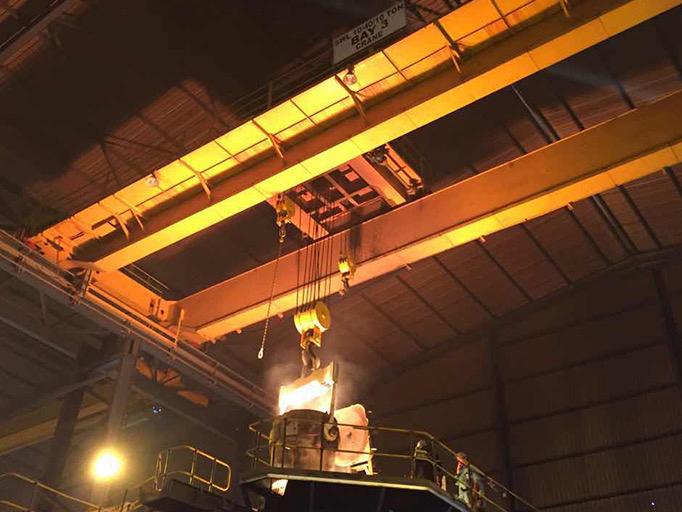
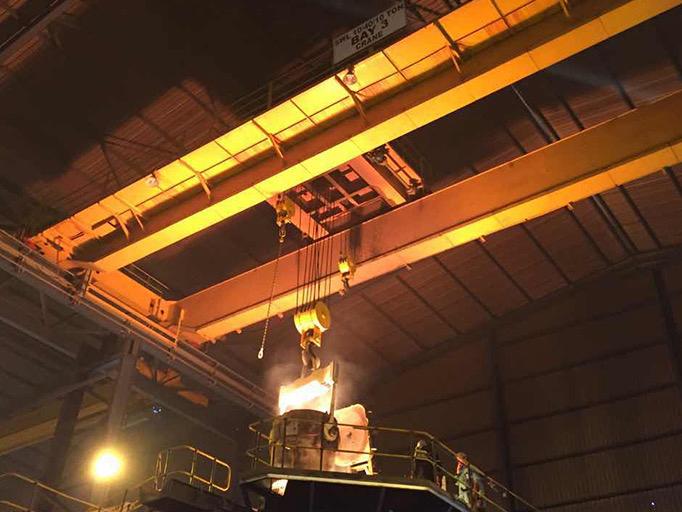
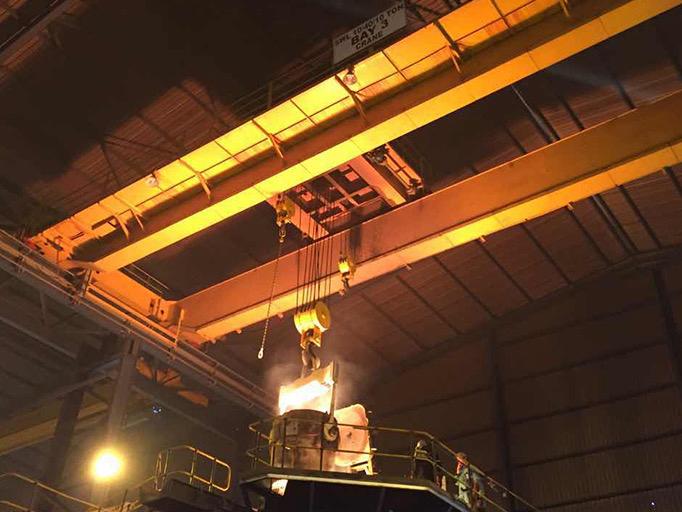
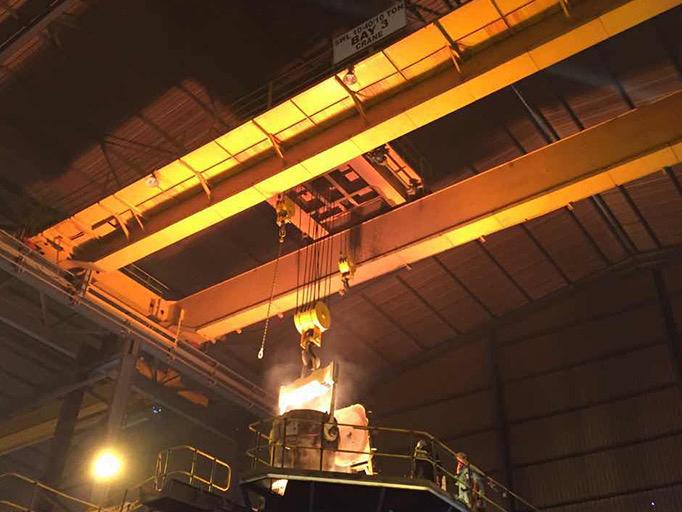
A Double Girder EOT Crane in India is a high-capacity industrial lifting system widely used in steel plants across India and GCC countries to move heavy raw materials, molten metal, steel coils, and fabricated structures. It improves production efficiency, reduces downtime, and ensures safer material handling in demanding industrial environments such as rolling mills, foundries, and heavy fabrication units.
What is a Double Girder EOT Crane?
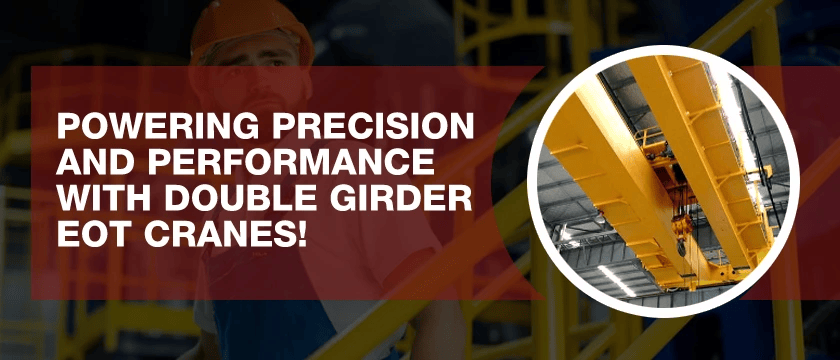
A Double Girder Electric Overhead Travelling (EOT) Crane is an overhead lifting system that uses two parallel girders for superior load-bearing capacity and stability. It is designed for continuous heavy-duty operations in industrial environments.
Key Facts Block
- Load Capacity: 3 Ton to 250+ Ton
- Span Range: 10m to 35m+
- Duty Class: Medium to Heavy (M5–M7)
- Application: Steel plants, rolling mills, foundries
- Operation: Electric hoist + trolley system
- Control: Cabin / pendant / remote
Why Steel Plants in India and GCC Depend on EOT Cranes
Steel manufacturing is one of the most demanding industrial environments. In regions like India and GCC countries such as Saudi Arabia and United Arab Emirates, production lines operate under extreme heat, heavy loads, and continuous cycles.
Steel plants use double girder EOT cranes because they provide high load capacity, continuous-duty operation, and precise control for moving heavy steel materials. They reduce manual handling risks, improve workflow speed, and ensure uninterrupted production in rolling mills and fabrication units.
Key Industrial Applications
Steel Plants
Used for:
- Hot metal handling
- Slab and billet movement
- Coil transportation
Rolling Mills
Used for:
- Feeding raw billets
- Moving rolled products
- Maintenance lifting
Foundries
Used for:
- Mold handling
- Casting movement
- Furnace loading
Heavy Fabrication Units
Used for:
- Structural steel lifting
- Assembly operations
How It Works (Process Section)
Step-by-Step Operation
- Power supply energizes crane system
- Operator controls movement via cabin or remote
- Trolley moves across double girders
- Hoist lifts load vertically
- Bridge travels across runway
- Load is positioned precisely
This synchronized system allows controlled lifting of extremely heavy industrial loads with minimal error.
Comparison Table: Single Girder vs Double Girder EOT Crane
|
Feature |
Single Girder |
Double Girder |
|
Load Capacity |
Low–Medium |
High–Very High |
|
Span |
Limited |
Wide |
|
Duty Cycle |
Moderate |
Heavy Duty |
|
Speed |
Moderate |
High Precision |
|
Industry Use |
Warehouses |
Steel Plants |
|
Maintenance |
Low |
Medium |
Country-Specific Industrial Demand
India Steel Industry
India
Steel hubs like Jamshedpur and Bhilai require high-duty cranes for continuous production cycles in integrated steel plants.
Saudi Arabia Industrial Growth
Saudi Arabia
Driven by Vision 2030, steel fabrication and construction industries demand high-capacity lifting systems.
UAE Manufacturing & Logistics
United Arab Emirates
Industrial zones require cranes for fabrication, ports, and logistics infrastructure.
Qatar Infrastructure Projects
Qatar
Large-scale construction projects require heavy lifting systems.
Kuwait Oil & Industrial Facilities
Kuwait
Refineries and steel fabrication units depend on reliable cranes.
Oman Industrial Expansion
Oman
Growing industrial parks require durable lifting solutions.
Bahrain Manufacturing Units
Bahrain
Light-to-medium steel fabrication industries use EOT cranes for efficiency.
Technical Selection Guide
What engineers consider before selecting a crane:
- Load weight (Tonnage)
- Span between rails
- Lift height
- Duty cycle (M5–M7)
- Environment (heat, dust, corrosion)
- Speed requirements
- Safety systems
The right double girder EOT crane is selected based on load capacity, span, duty class, and operational environment. Steel plants require high-duty class cranes with reinforced structures for continuous heavy lifting operations.
Benefits of Double Girder EOT Cranes
- Higher load capacity
- Improved operational safety
- Reduced manual labor
- Faster material movement
- Lower downtime
- Better production flow
- Long operational lifespan
Common Problems It Solves
- Production bottlenecks
- Unsafe manual lifting
- Equipment failure due to overload
- Inefficient material flow
- High maintenance downtime
Real Industrial Use Example
In a typical rolling mill in India or GCC:
- Steel billets are lifted from storage yards
- Transferred to furnace area
- Moved to rolling section
- Final products are transported to dispatch zone
Without EOT cranes, this process would require multiple manual and mechanical steps, increasing delays and safety risks.
Future of EOT Crane Technology (2026 Outlook)
- Smart load monitoring systems
- Anti-sway control automation
- IoT-based predictive maintenance
- Energy-efficient motors
- Remote-controlled operations
Frequently Asked Questions (FAQ)
What is a Double Girder EOT Crane used for?
It is used for heavy lifting in steel plants, rolling mills, and industrial manufacturing units.
Which industries use double girder cranes most?
Steel, foundry, fabrication, cement, and heavy engineering industries.
What is the load capacity range?
Typically from 3 tons to 250+ tons depending on configuration.
Why are they preferred in steel plants?
Because they handle continuous heavy-duty operations safely and efficiently.
Are they customizable?
Yes, span, height, capacity, and control systems can be customized.
Author

Industrial Engineering Content Team

Last Updated

June 2026
Industrial steel plants in India and GCC require reliable, high-capacity lifting systems to maintain continuous production efficiency.
For customized Double Girder EOT Crane solutions designed for steel plants, rolling mills, and heavy fabrication units, professional engineering consultation ensures optimal performance, safety, and long-term reliability.