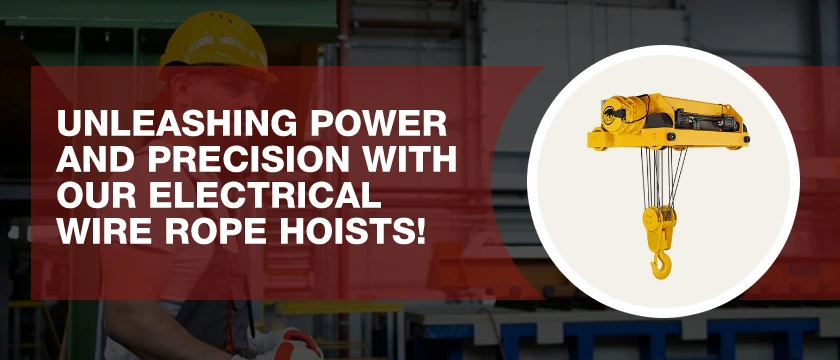
Top Single Girder EOT Crane Manufacturers in Bahrain
The 2026 Industrial Guide to High-Performance Overhead Lifting
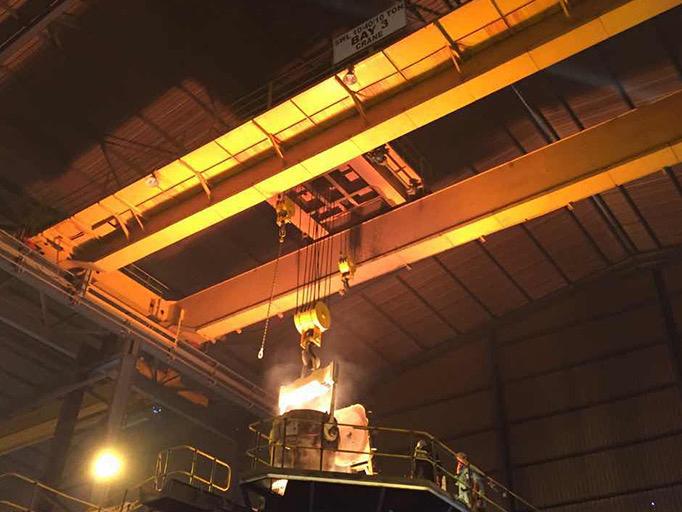
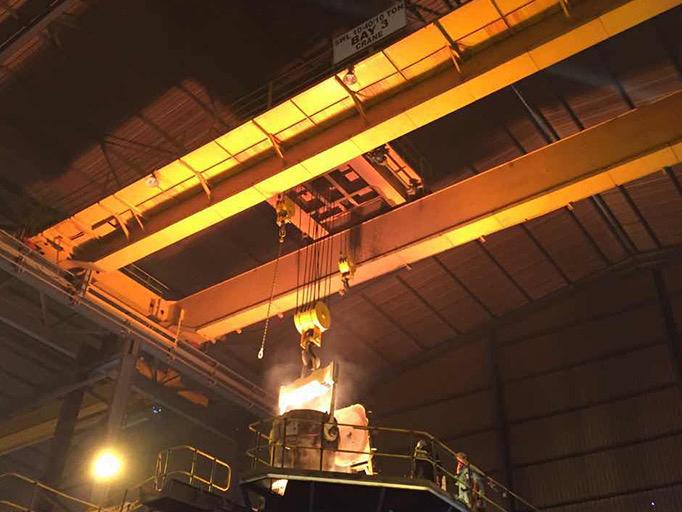
Industrial facilities across the Kingdom of Bahrain—ranging from the massive aluminum smelting cells of Alba in Askar to the heavy engineering workshops of Salman Industrial City—run on relentless operational timelines. In these high-intensity spaces, structural material handling cannot afford a single minute of unexpected downtime.
When your plant layout demands an optimized lifting footprint that balances structural weight with heavy-duty cycling, discovering the right technical engineering partner is critical. This comprehensive guide details what to look for when choosing the leading Single Girder EOT Crane Manufacturers in Bahrain, resolving common field failures, matching crane specifications to Bahrain's distinct environmental constraints, and explaining why precision fabrication dictates plant efficiency.
The Core Engineering of Single Girder Electric Overhead Traveling Cranes
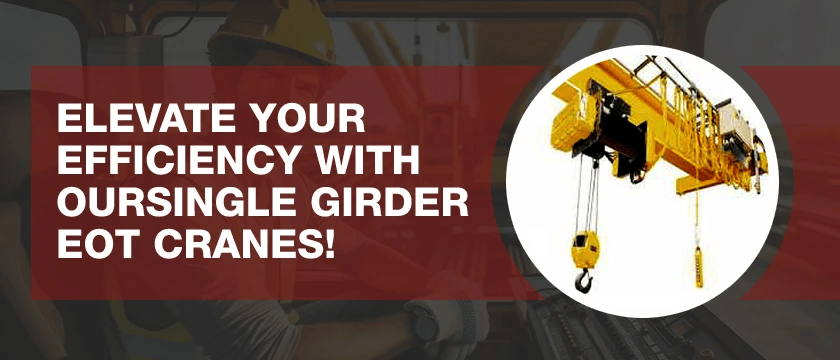
Before evaluating manufacturing infrastructure, it is important to clarify why a Single Girder Electric Overhead Traveling (EOT) Crane serves as the structural backbone for mid-to-heavy industrial lifting.
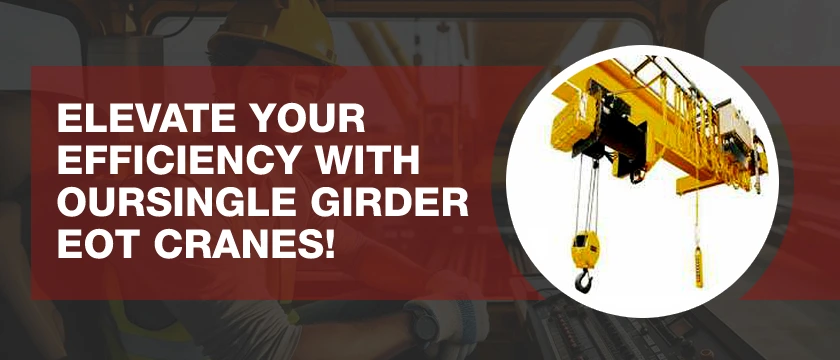
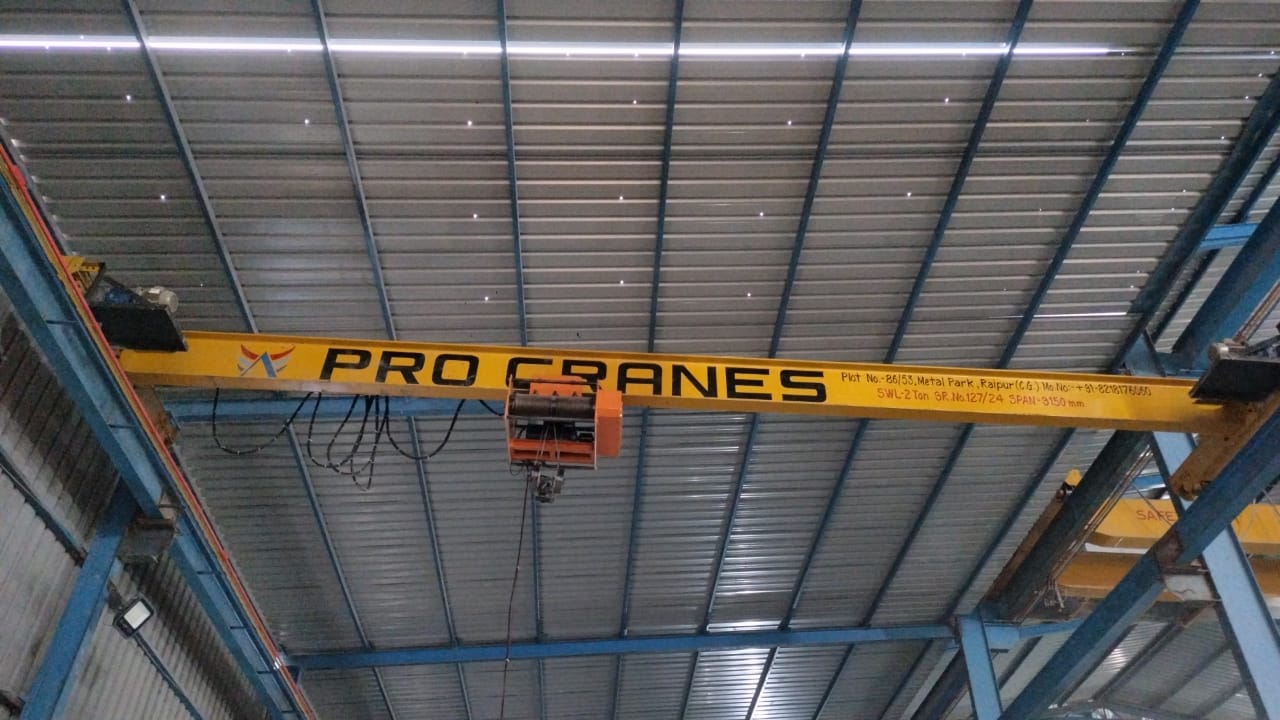
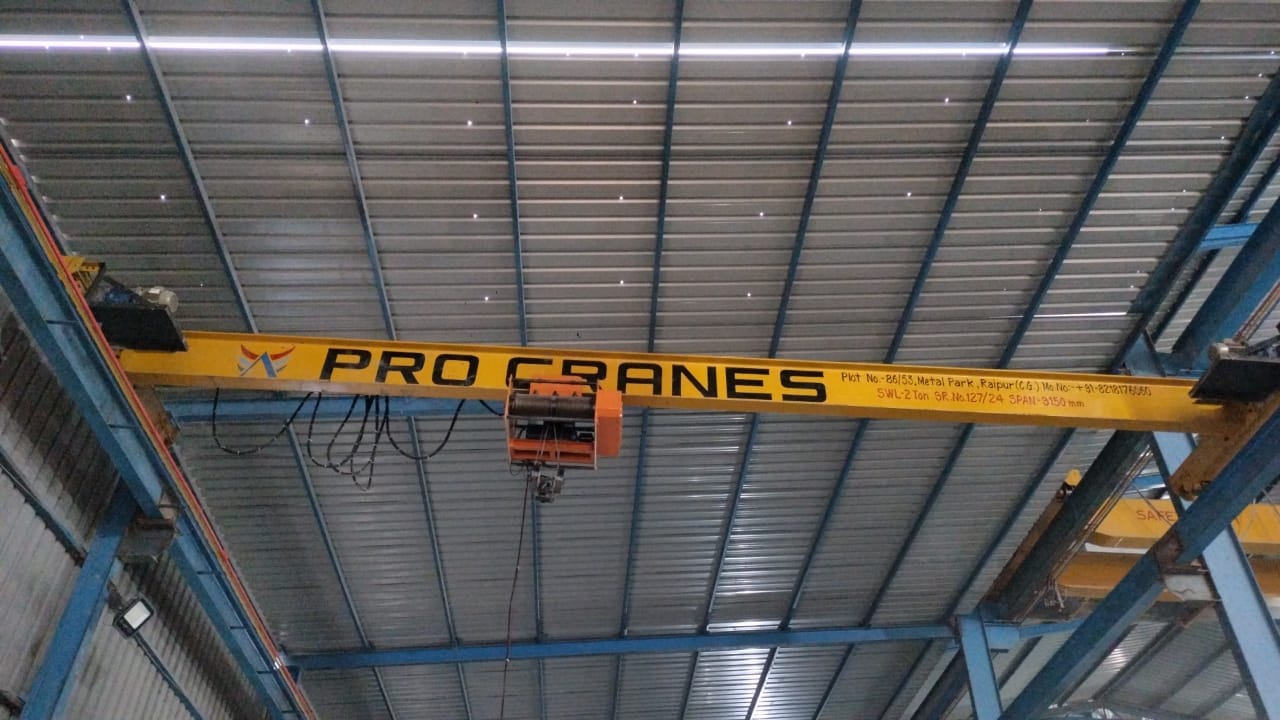
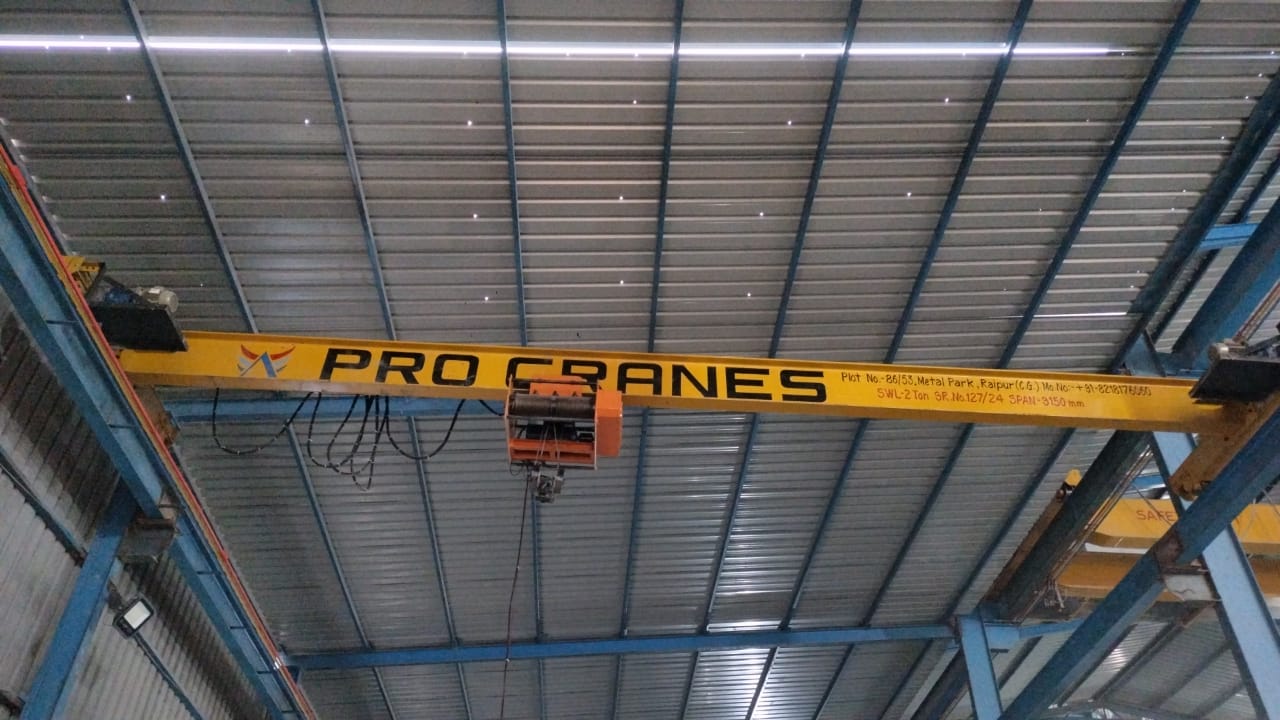
Unlike double-girder configurations that use a crab mechanism riding on top of two beams, a single girder system utilizes a solitary high-tensile box or rolled section beam where the hoist under-slings from the bottom flange.
+-----------------------------------------------------------+
| MAIN RUNWAY BEAM |
+-----------------------------------------------------------+
|
[End Truck / Wheel Assembly]
|
==================== MAIN SINGLE GIRDER ====================
||
[Wire Rope Hoist]
||
(Load Hook)
This structural architecture yields a highly specific physical advantage: reduced deadweight. By optimizing the structural mass of the main bridge girder, the lateral forces transmitted to your building’s gantry columns and runway beams are significantly lower. This enables factory owners to save substantial capital on building foundations and structural steel support columns during facility design.
5 Common Material Handling Failures in Bahrain Industrial Zones (And Their Structural Solutions)
Operating overhead lifting machinery within the GCC region introduces severe environmental and mechanical stresses. Industrial facilities in areas like Mina Salman or Haffera frequently battle high ambient temperatures, airborne salinity, and continuous duty cycles.
Below are the five most common field failures experienced by plant managers and the exact engineering counterpoints implemented by premium crane fabricators.
1. Crane Skewing and Repetitive Flange Wear
- The Problem: When an overhead crane travels along the runway, it can become unaligned, causing the wheels to crab or float across the rail. This results in loud scraping sounds, premature breakdown of wheel bearings, and accelerated wear on wheel flanges.
- The Engineering Solution: Leading manufacturers prevent this by employing precision end-truck assemblies equipped with anti-friction bearings and direct-drive configurations. Machining the end trucks on single-pass boring machines guarantees absolute wheel parallelism, keeping the system perfectly square along the runway spans.
2. Accelerated Wire Rope Degradation
- The Problem: High ambient heat combined with micro-abrasive dust particles accelerates lubrication loss within the inner steel core of wire ropes. This induces birdcaging, core flattening, and outer wire snapping, forcing dangerous, unscheduled production halts.
- The Engineering Solution: Heavy-duty wire rope guides coupled with continuous-lubrication rope drums are essential. Specifying core-supported, high-tensile galvanized wire ropes coated with specialized temperature-stable lubricants prevents premature brittleness.
3. Conductor Bar Power Interruptions
- The Problem: Saline sea air and industrial dust cause heavy oxidation and carbon buildup on copper conductor bars. The carbon-graphite brushes on the collectors lose steady electrical contact, leading to erratic voltage drops and motor stuttering.
- The Engineering Solution: Moving away from traditional open-wire conductors toward totally enclosed, shrouded Down Shop Lead (DSL) multipole busbar systems. These feature spring-loaded collectors with self-cleaning graphite shoe compositions to isolate the electrical link from external atmospheric pollution.
4. Overheating and Motor Insulating Failure
- The Problem: Standard Class F motor insulation can fail when subjected to continuous crane operation during summer months, where indoor factory temperatures frequently exceed 50°C.
- The Engineering Solution: High-caliber crane systems utilize motors with Class H insulation, combined with custom-finned aluminum housing castings and built-in bimetallic thermal overload sensors to safely dissipate heat under intense duty profiles.
5. Repetitive Micro-Jerk Load Damage
- The Problem: Direct-on-line (DOL) motor starting mechanisms apply instantaneous torque to the crane's travel drives, causing the suspended load to swing violently. This places high structural stress on the welding seams of the main box girder.
- The Engineering Solution: Integrating variable frequency drives (VFDs) across all travel and hoisting parameters ensures programmable acceleration and deceleration curves. This smooth speed transition preserves structural weld integrity and allows millimeter-level placement accuracy.
Matching Structural Specifications to Bahrain's Industrial Sectors
An off-the-shelf lifting solution will inevitably compromise safety or wear out prematurely. Overhead cranes must be tailored to the exact industry they support.
|
Industrial Sector |
Primary Site Conditions |
Essential Crane Feature Required |
|
Aluminum Downstream & Foundries |
Extreme radiant heat, fine metallic dust, continuous cycling |
Class H insulated motors, structural heat shields, M6/M7 heavy duty cycles |
|
Logistics & Warehousing |
Rapid processing speeds, long spans, structural variance |
Dual-speed VFD control systems, lightweight box girders, electronic anti-sway |
|
Marine & Ship Repair |
High atmospheric salinity, moisture exposure, heavy deadweights |
Marine-grade epoxy coatings (minimum 250 microns), IP66 stainless enclosures |
|
Steel Fabrication Works |
High shock loads, magnetic interference, uneven lifting surfaces |
True vertical lift hoists, heavy-duty rope guides, overload cut-off switches |
Designing for Compliance: Standard Frameworks
When choosing among Single Girder EOT Crane Manufacturers in Bahrain
, ensuring compliance with recognized international design and safety standards is paramount. Structural integrity cannot be verified by visual inspections alone; it relies heavily on mathematical adherence during the initial engineering phase.
Premium manufacturers adhere strictly to standard structural codes:
- IS:3177 / IS:4137: Design and construction regulations outlining structural clearances, material allowances, and electrical compliance for overhead traveling cranes.
- FEM 9.511: European Federation of Materials Handling standards that classify mechanisms based on average daily operating hours and severity of load spectrums (ranging from light M3 duty up to heavy-duty M8 continuous cycling).
- Deflection Thresholds: The vertical deflection of the main bridge girder under test loads must never exceed $1/750$ of the span length for standard industrial use, or $1/1000$ for high-precision or heavy-duty operating cycles.
Step-by-Step Technical Selection Protocol for Engineering Teams
When your procurement or engineering department prepares to source an EOT crane system, following an organized assessment checklist prevents major integration problems during building installation.
1.Establish True Load Profiles and Duty Cycles:Determine Weight & Hours.
Calculate your maximum recurring lifting weight. Map this against the total active operating hours per day to determine the required duty classification (e.g., FEM 1Am/M4 for light maintenance workshops versus FEM 3m/M6 for heavy metal production lines).
2.Verify Building Geometries and Clearance Zones:Measure Spatial Tolerances.
Document the exact clear span of the building's existing runway rail centers. Measure the distance from the top of the runway rail to the lowest point of the roof truss to ensure the crane structure clears all structural obstructions.
3.Define Specific Environmental Mitigation Needs:Assess Environmental Impact.
Assess site-specific environmental threats such as chemical vapors, coastal salinity, or high indoor radiant temperatures. Specify the required NEMA/IP electrical enclosure ratings and specialized epoxy coating thickness standards.
4.Inspect the Manufacturer's Fabrication Infrastructure:Quality System Audit.
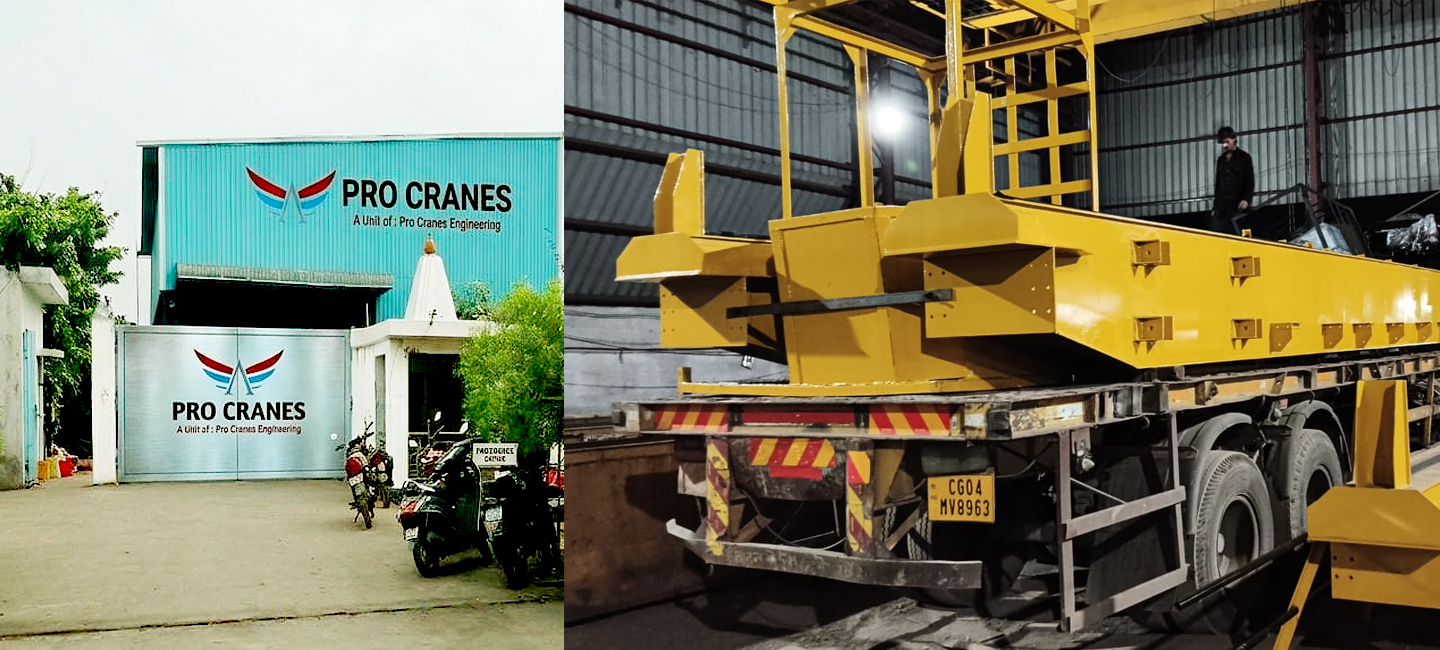
Audit the vendor's production facilities. Confirm they utilize submerged arc welding (SAW) for main box girder fabrication and perform Non-Destructive Testing (NDT), including ultrasonic or magnetic particle testing, on all critical load-bearing joints.
Engineering Note on Load Distribution: Standard single girder designs transmit horizontal wheel loads directly to the runway rails. If your existing building columns show minor alignment deviations, your chosen crane manufacturer must customize the end-truck wheel bases to spread these dynamic forces safely across your building's structural footprint.
Frequently Asked Questions
What is the maximum practical span for a single girder EOT crane?
While single girder configurations are highly cost-effective for spans up to 25 meters, anything beyond that typically encounters structural deflection limits. For extremely wide buildings, manufacturers either transition to deep-engineered custom box girders or recommend a double-girder design to maintain structural stability.
What is the difference between a rolled I-beam and a fabricated box girder?
For smaller capacities (typically under 5 tons) and short spans, a standard rolled steel I-beam is used because it reduces cost. For wider spans or heavier lifting requirements (up to 15 or 20 tons), a custom box girder is fabricated by welding high-tensile steel plates together, providing excellent torsional rigidity and resistance to lateral bending.
How often do overhead cranes require structural inspections in heavy industrial zones?
According to international safety standards, cranes operating under normal conditions require comprehensive annual inspections. However, for systems deployed in high-severity environments—such as marine repair yards or aluminum smelting plants—quarterly mechanical audits and monthly wire rope safety checks are recommended to catch wear early.
Can a single girder EOT crane be safely retrofitted into an existing warehouse?
Yes. Because single girder cranes exert lower deadweight forces on the supporting infrastructure compared to double-girder options, they are ideal for retrofitting into older buildings. Your manufacturing partner will need to verify the existing gantry girder alignments and verify column load capacities before installation.
Selecting an engineering partner requires evaluating a manufacturer's structural welding standards, material sourcing transparency, and custom design capabilities. Partnering with an expert crane fabricator ensures your lifting infrastructure remains safe, reliable, and perfectly tailored to your facility's operational demands.