Best Single Girder EOT Crane Manufacturers for Emerging Industrial Markets in Asia GCC and Africa
Industrial growth across Asia, GCC, and Africa has created a major shift in how factories, warehouses, ports, and infrastructure projects handle heavy materials. Manual lifting methods are no longer sufficient for modern production speed, safety requirements, and efficiency standards.
This is why the demand for Best Single Girder EOT Crane Manufacturers for Emerging Industrial Markets in Asia GCC and Africa has increased rapidly in countries such as Single Girder EOT Crane Manufacturers in India, UAE, Saudi Arabia, Nigeria, and South Africa.
Industries in steel, cement, logistics, and construction sectors are increasingly adopting overhead crane systems to improve productivity and reduce operational risks.
What Is a Single Girder EOT Crane? (Simple Industrial Definition)
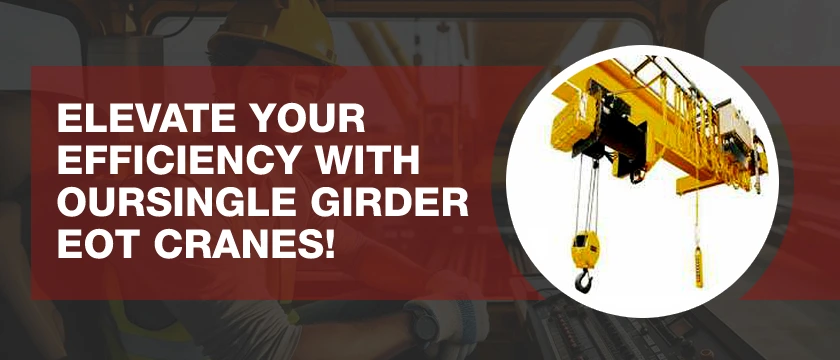
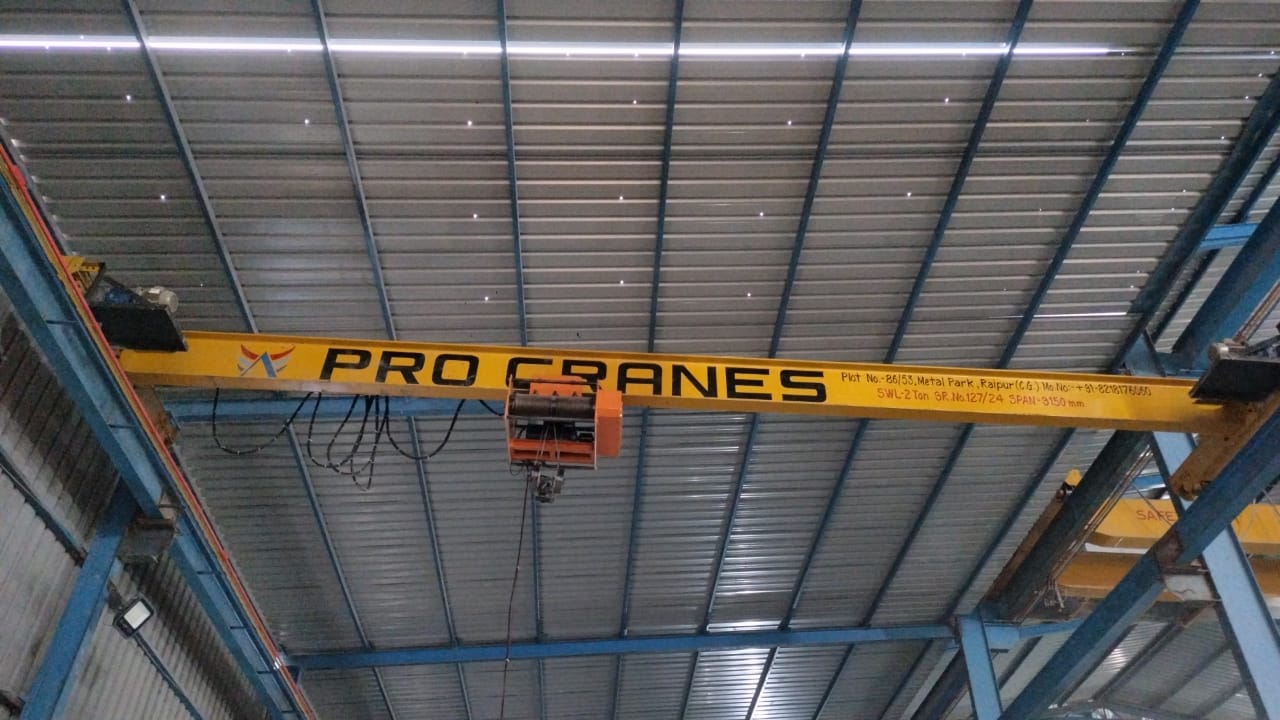
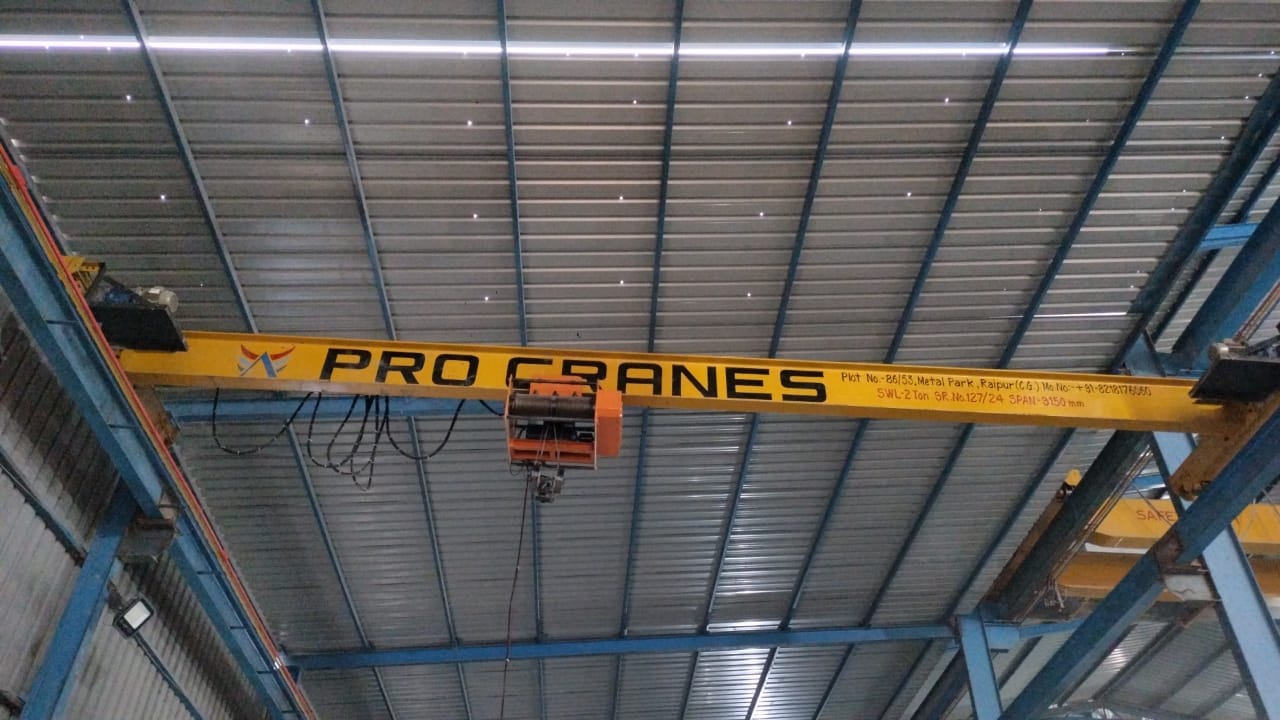
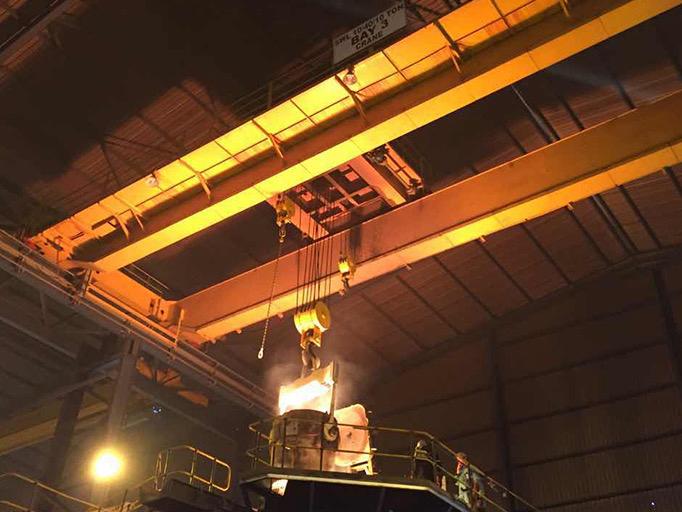
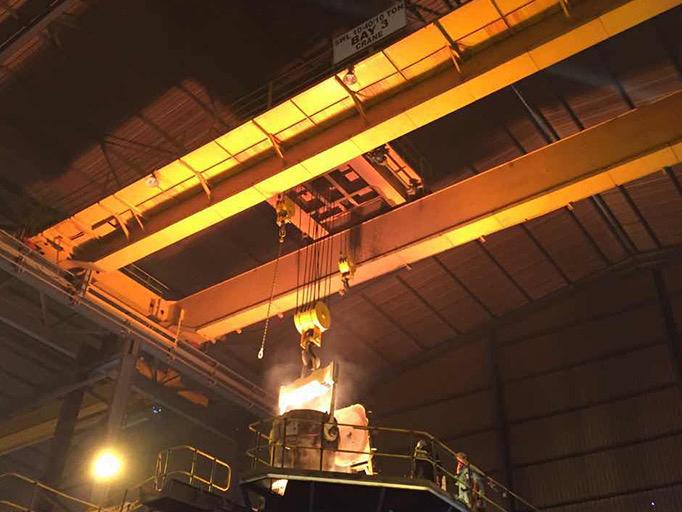
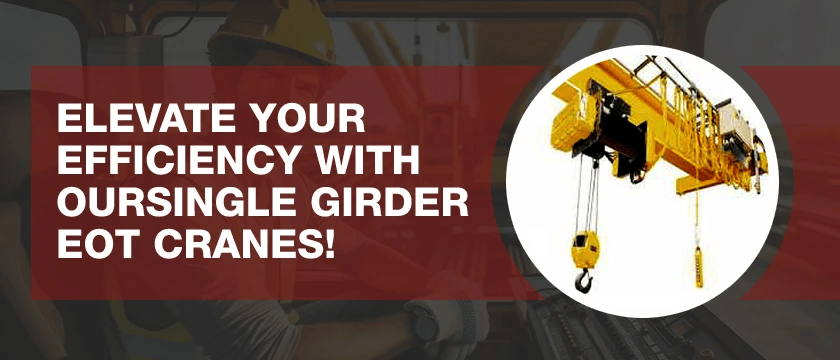
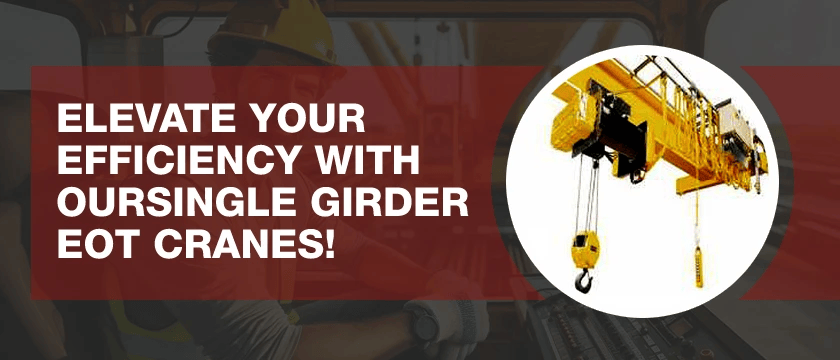
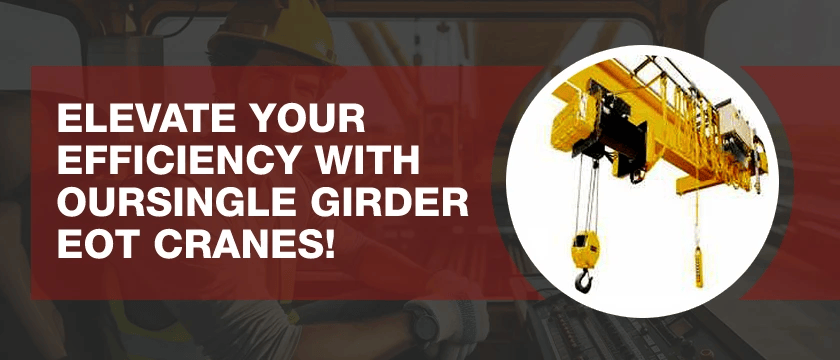
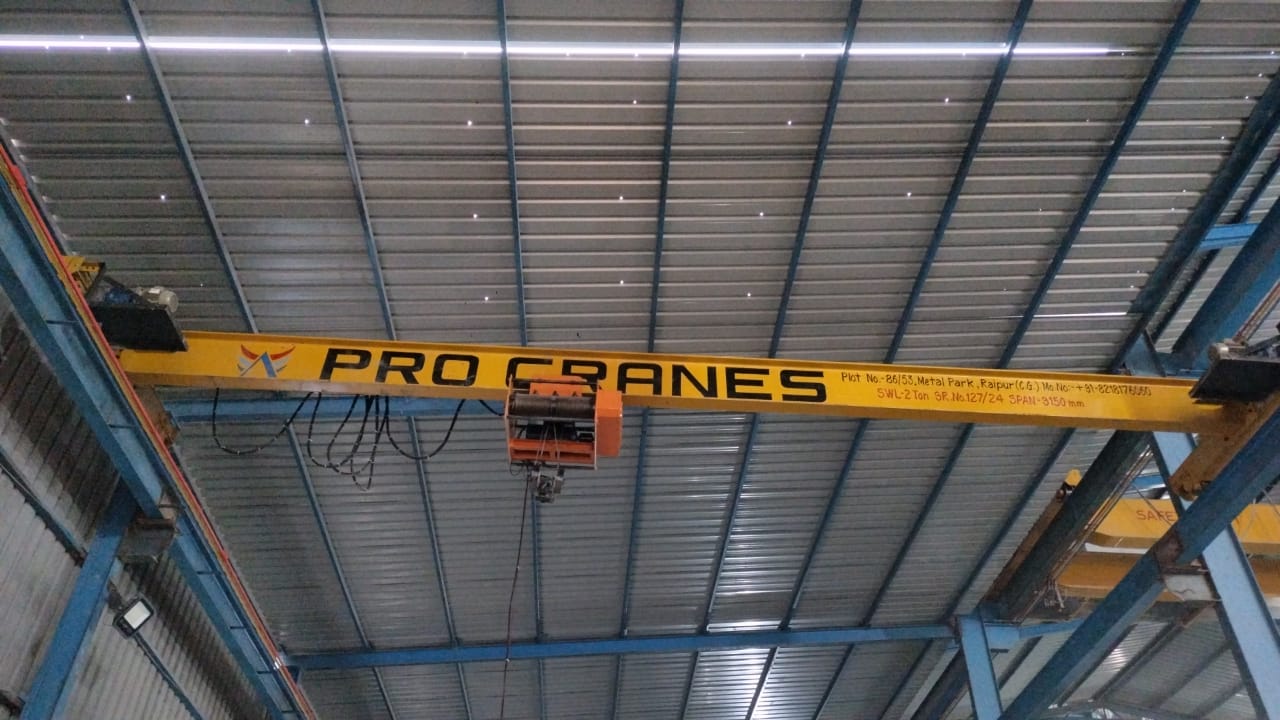
A Single Girder Electric Overhead Traveling (EOT) crane is an industrial lifting machine designed with a single bridge beam that supports a hoist system for moving heavy materials horizontally and vertically within a controlled workspace.
It is widely used in medium-duty industrial applications where precision, safety, and cost efficiency are required.
Why Industries Prefer Single Girder EOT Cranes
Industries across global markets choose these cranes because:
- They reduce manual handling risks
- They increase production speed
- They optimize factory space usage
- They reduce long-term operational cost
- They improve load handling accuracy
For example, manufacturing units in Single Girder EOT Crane Manufacturers in United Arab Emirates use these cranes to streamline warehouse and production operations.
Process Section: How a Single Girder EOT Crane Is Designed, Installed, and Operated
This step-by-step process explains how industrial Single Girder EOT Crane systems are planned, engineered, manufactured, and used in real industrial environments.
Step 1: Requirement Analysis (Load & Application Study)
The process begins by analyzing industrial requirements such as load capacity, working area, lifting height, and duty cycle.
Key inputs:
- Maximum load weight (1–20 tons typical)
- Span between runway beams
- Height of lift required
- Working environment (steel plant, warehouse, etc.)
- Frequency of operation (light, medium, heavy duty)
Output:
Final crane classification and design direction.
Step 2: Site Inspection & Layout Planning
Engineers evaluate the installation site to ensure structural compatibility.
Activities:
- Measuring building span and height
- Checking runway beam feasibility
- Floor load analysis
- Electrical supply assessment
- Obstruction and clearance study
Output:
Feasible crane layout design.
Step 3: Structural Design & Engineering
At this stage, the crane is designed using engineering calculations.
Key design elements:
- Girder structure strength calculation
- Deflection limits (as per IS standards)
- Stress analysis under full load
- Hoist selection matching load class
- Motor power calculation
Output:
Approved engineering drawings (GA drawings + structural design).
Step 4: Material Procurement
High-quality raw materials are selected for manufacturing.
Materials include:
- High tensile structural steel
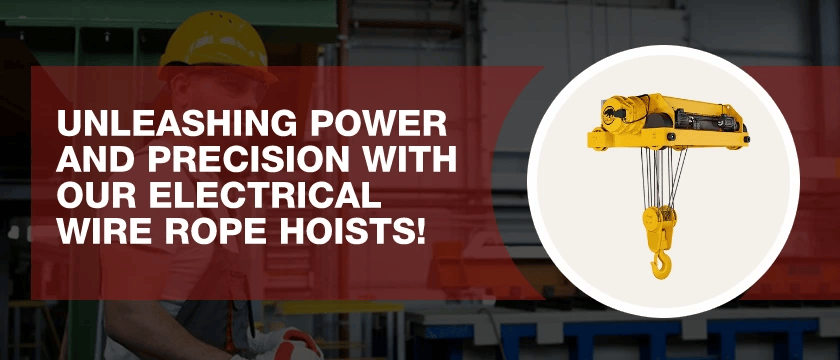
- Electric wire rope hoists
- Gear motors and gearboxes
- Wheels and end carriages
- Electrical control panels
Quality check:
Material certification and strength validation.
Step 5: Fabrication & Manufacturing
The crane structure is fabricated in controlled industrial environments.
Process includes:
- Cutting and shaping steel beams
- Welding girder structure
- Machining components for precision
- Assembling end carriages
- Surface treatment (blasting & painting)
Output:
Fully fabricated crane structure.
Step 6: Assembly & Electrical Integration
Mechanical and electrical systems are integrated.
Activities:
- Hoist installation on girder
- Motor and gearbox fitting
- Electrical wiring of control panels
- Safety system integration (limit switches, overload protection)
- Trial movement testing
Output:
Fully assembled crane system.
Step 7: Testing & Quality Inspection
Before delivery, the crane undergoes strict testing.
Tests performed:
- Load testing (125% of rated capacity)
- Hoisting and lowering checks
- Travel and cross travel movement tests
- Brake efficiency testing
- Safety system validation
Output:
Certified operational crane system.
Step 8: Transportation & Site Installation
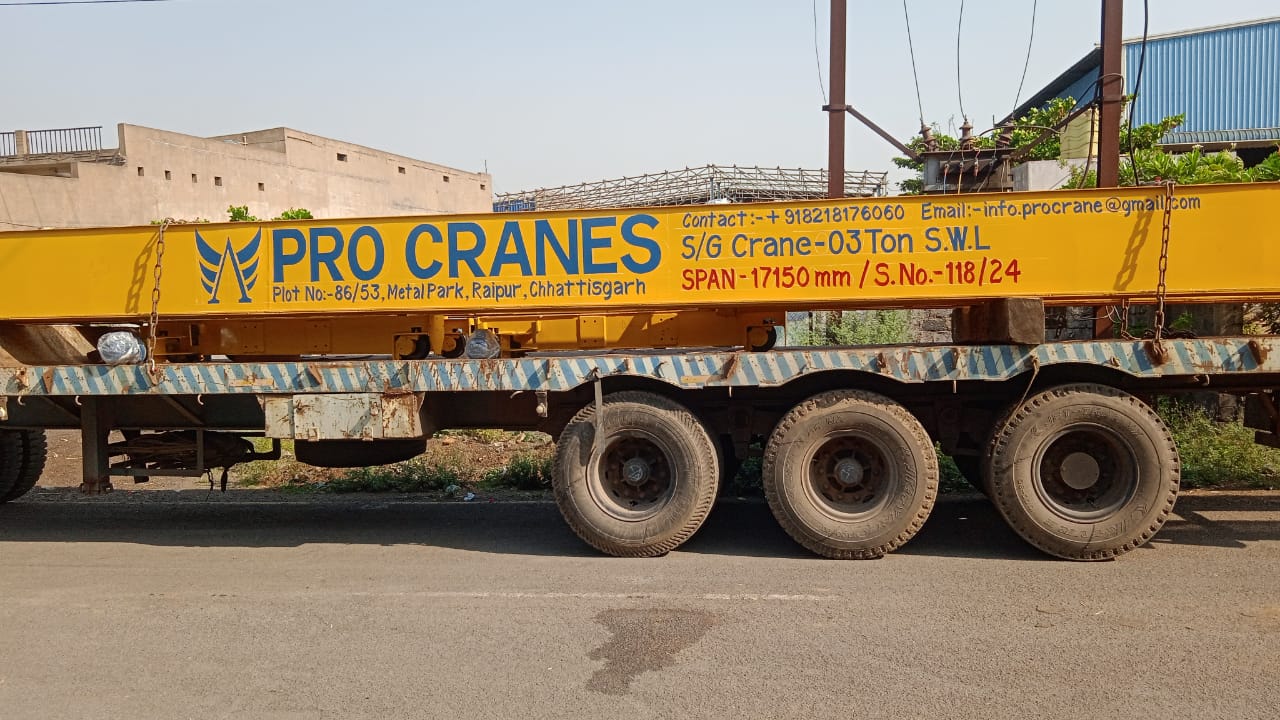
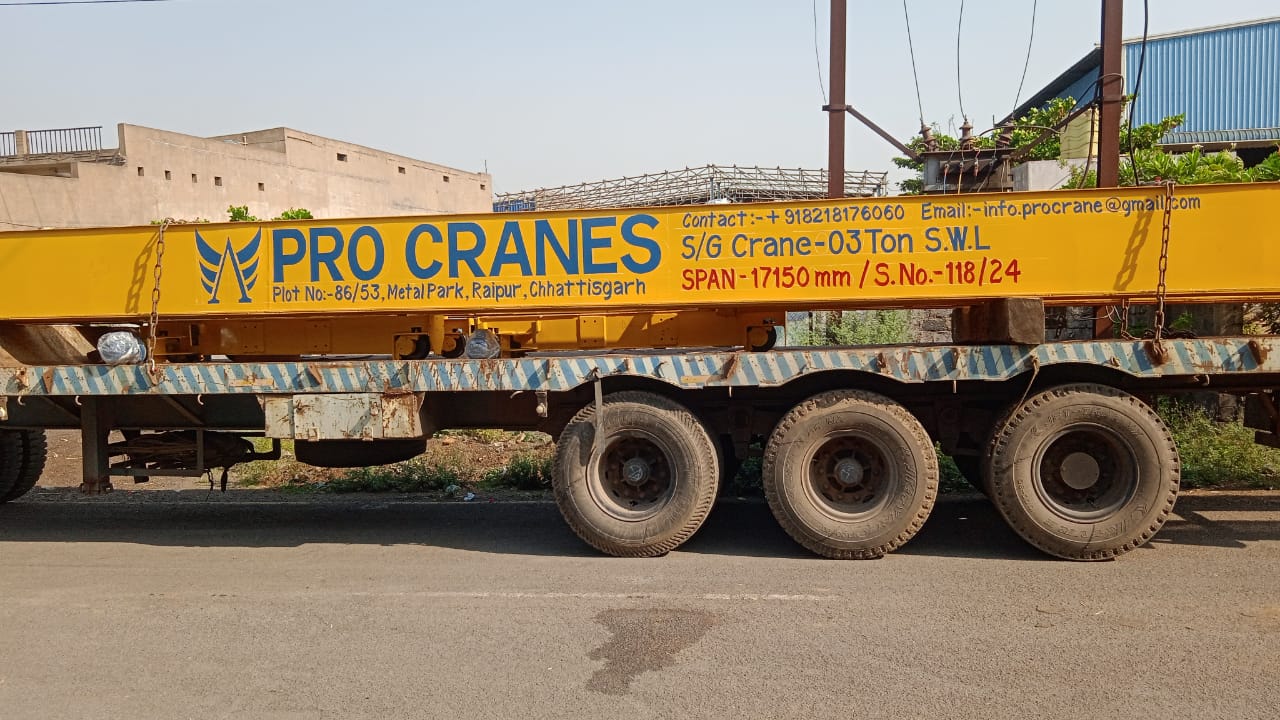
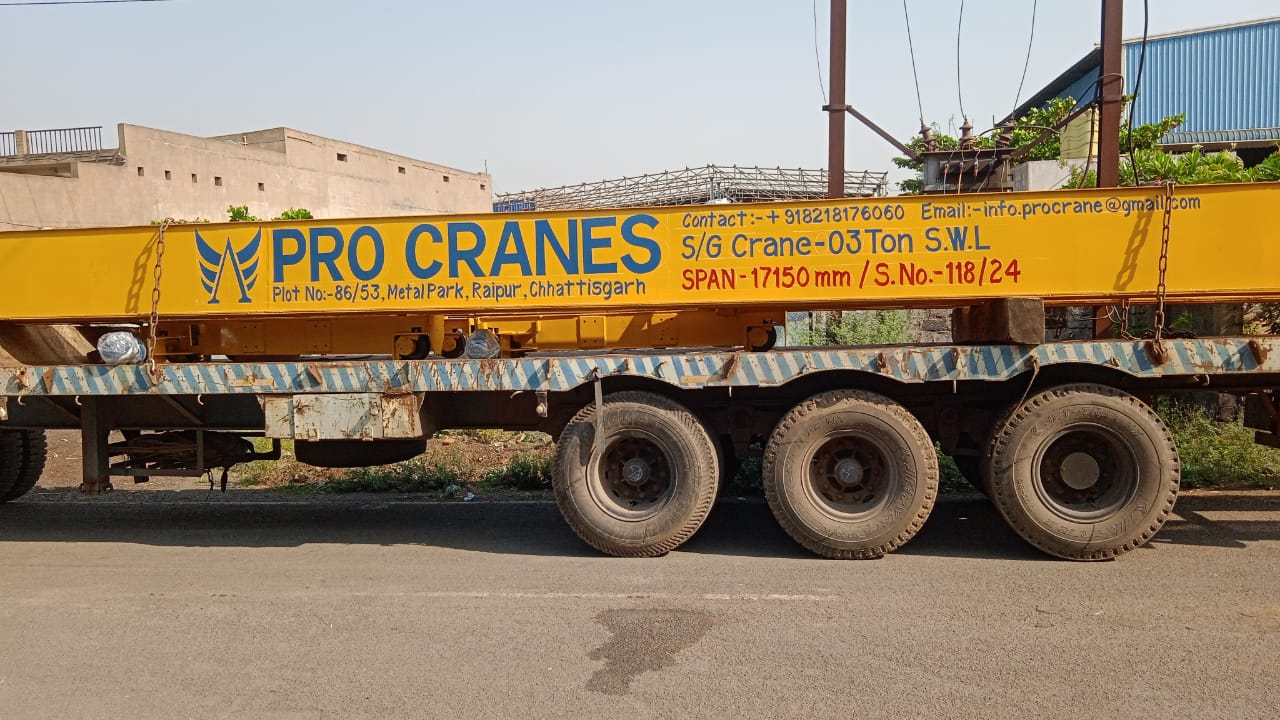
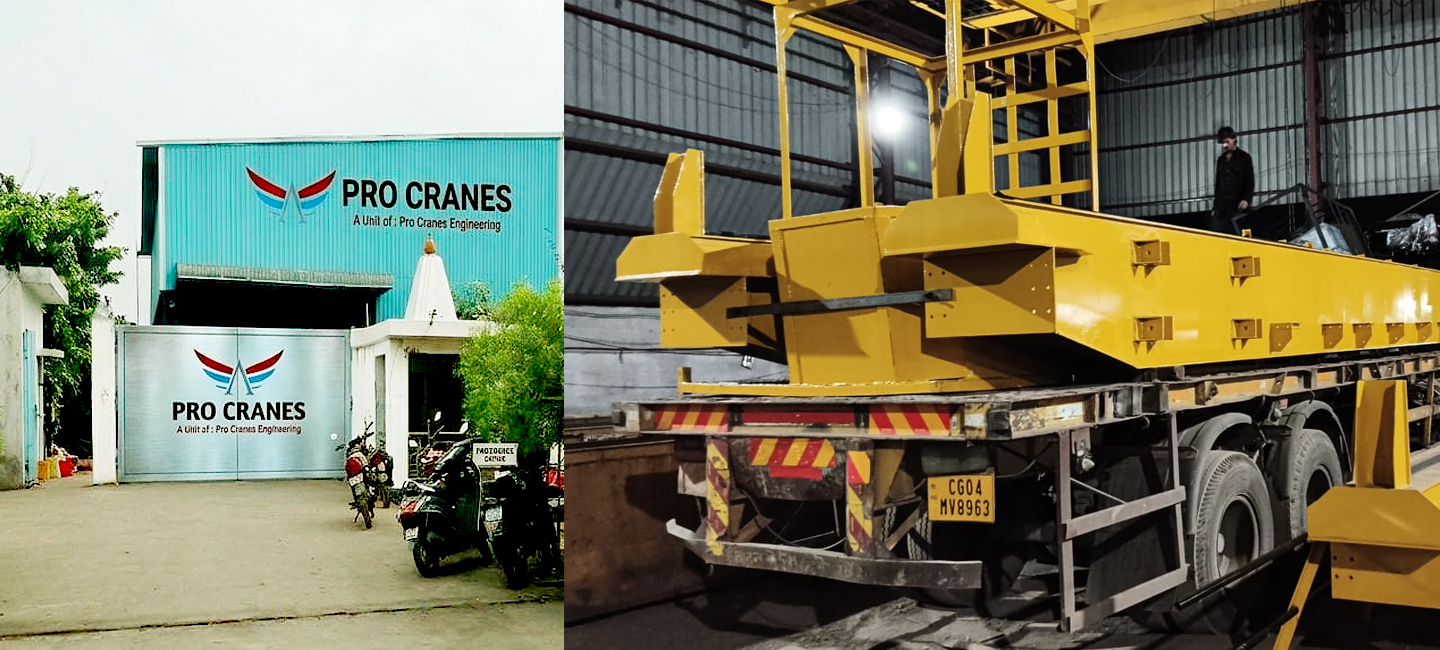
The crane is transported to the client site and installed.
Installation steps:
- Crane positioning on runway beams
- Alignment checking
- Electrical connection setup
- System calibration
- Structural tightening and final adjustments
Step 9: Commissioning & Trial Operation
The crane is tested in real working conditions.
Activities:
- No-load trial runs
- Full-load operational testing
- Operator training
- Safety instruction briefing
- Performance validation
Step 10: Industrial Operation & Maintenance Cycle
Once commissioned, the crane enters regular operation.
Routine actions:
- Daily operational checks
- Lubrication of moving parts
- Wire rope inspection
- Brake system monitoring
- Periodic load testing
Maintenance schedule:
- Weekly inspection
- Monthly servicing
- Annual structural audit
Process Summary
Single Girder EOT Crane systems follow a structured lifecycle:
Requirement Analysis → Site Inspection → Design → Fabrication → Assembly → Testing → Installation → Commissioning → Operation → Maintenance
Countries Driving Demand for Single Girder EOT Crane Systems
The following regions are currently the fastest-growing markets:
South Asia Industrial Growth Region
- Single Girder EOT Crane Manufacturers in India
- Single Girder EOT Crane Manufacturers in Bangladesh
- Single Girder EOT Crane Manufacturers in Nepal
- Single Girder EOT Crane Manufacturers in Sri Lanka
GCC Industrial & Infrastructure Region
- Single Girder EOT Crane Manufacturers in United Arab Emirates
- Single Girder EOT Crane Manufacturers in Saudi Arabia
- Single Girder EOT Crane Manufacturers in Qatar
- Single Girder EOT Crane Manufacturers in Oman
- Single Girder EOT Crane Manufacturers in Kuwait
- Single Girder EOT Crane Manufacturers in Bahrain
African Industrial Expansion Region
- Single Girder EOT Crane Manufacturers in Nigeria
- Single Girder EOT Crane Manufacturers in Ghana
- Single Girder EOT Crane Manufacturers in Kenya
- Single Girder EOT Crane Manufacturers in South Africa
These countries share one major factor: rapid industrial expansion requiring reliable material handling systems.
Technical Specification Table (Industrial Standard Model)
|
Parameter |
Specification |
|
Crane Type |
Single Girder EOT Crane |
|
Load Capacity |
1 Ton – 20 Ton |
|
Span |
Up to 30 meters |
|
Lift Height |
Custom-engineered |
|
Duty Class |
M3 – M5 |
|
Hoist Type |
Electric Wire Rope Hoist |
|
Control Mode |
Pendant / Wireless Remote |
|
Power Supply |
415V, 3 Phase, 50Hz |
|
Travel System |
Motorized Bridge & Trolley Movement |
|
Safety Features |
Overload protection, emergency stop, limit switches |
|
Structure |
High-grade structural steel |
How Single Girder EOT Cranes Improve Industrial Productivity
These cranes are not just lifting machines — they are productivity systems.
Key Improvements:
- Faster raw material movement
- Reduced downtime between processes
- Safe handling of heavy components
- Reduced dependency on manual labor
- Higher production line efficiency
Factories in Single Girder EOT Crane Manufacturers in Qatar use overhead cranes to speed up steel fabrication cycles significantly.
Case Study: Industrial Impact in a Steel Fabrication Plant (Saudi Arabia Project Model)
Project Overview:
A mid-sized steel fabrication unit in Single Girder EOT Crane Manufacturers in Saudi Arabia faced major delays due to manual material handling of steel beams and structural components.
Problem:
- Slow lifting operations
- Frequent workplace safety incidents
- Production delays of up to 30%
- High labor dependency
Solution Implemented:
Installation of a 10-ton Single Girder EOT Crane system with:
- Wireless remote control operation
- High-speed hoist system
- Anti-sway load stabilization
- Heavy-duty structural support
Results Achieved:
- 55% improvement in material handling speed
- 40% reduction in labor dependency
- Significant improvement in worker safety
- Increased daily production output
Key Insight:
Even medium-scale industries can achieve large-scale productivity improvements with proper crane system integration.
Applications Across Industries
Single Girder EOT Cranes are widely used in:
- Steel manufacturing plants
- Cement production units
- Automotive assembly lines
- Warehousing and logistics hubs
- Shipbuilding industries
- Heavy engineering workshops
- Power generation plants
Benefits of Using Single Girder EOT Cranes
- Cost-effective industrial solution
- Easy installation and maintenance
- Compact structural design
- High operational efficiency
- Suitable for medium-duty lifting
- Custom engineering options available
Common Challenges Solved by These Cranes
Problem 1: Slow Material Movement
✔ Solution: Automated overhead movement system improves speed
Problem 2: Safety Risks in Manual Handling
✔ Solution: Controlled lifting reduces workplace accidents
Problem 3: Production Bottlenecks
✔ Solution: Continuous material flow improves efficiency
Problem 4: High Operational Costs
✔ Solution: Reduces manpower requirements
Future Outlook of Single Girder EOT Crane Demand
The global demand is expected to rise due to:
- Rapid industrialization in Asia and Africa
- Infrastructure expansion in GCC countries
- Growth of logistics and e-commerce warehouses
- Increasing safety regulations in manufacturing
- Automation in industrial operations
Countries like UAE, India, and South Africa are leading this transformation.
FAQ
What is a Single Girder EOT Crane used for?
It is used for lifting and transporting materials in industrial environments safely and efficiently.
Which industries use it most?
Steel, cement, logistics, automotive, and manufacturing industries.
Is it suitable for international markets?
Yes, it is widely used in Asia, GCC, and African industrial markets.
What is the load capacity?
Typically between 1 ton and 20 tons.
Can it be customized?
Yes, cranes are designed based on industrial requirements.
Final Conclusion
The demand for Best Single Girder EOT Crane Manufacturers for Emerging Industrial Markets in Asia GCC and Africa continues to grow as industries shift toward automation, safety, and efficiency.
From Single Girder EOT Crane Manufacturers in India to Single Girder EOT Crane Manufacturers in South Africa, businesses are investing in advanced material handling systems to improve productivity and reduce operational risks.
Looking for a reliable Single Girder EOT Crane solution for your industry?
Get customized engineering support tailored to your project requirements.
???? Call Now: +91 82181 76060
???? Email: info@procranes.in
???? Website: https://www.procranes.in
Request a free consultation today and get a tailored industrial crane solution designed for your operational needs.