Electrical Wire Rope Hoist Manufacturers in India for Precision Material Handling
The 5-minute checklist before you request a quote
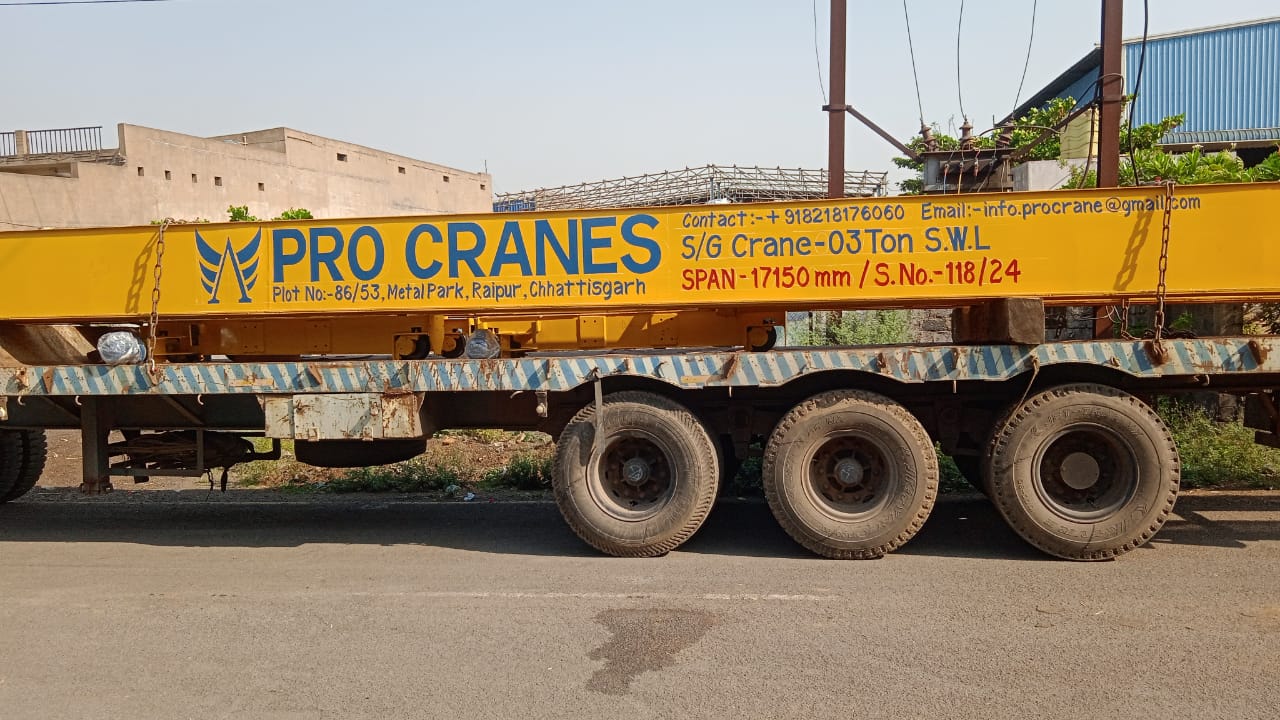
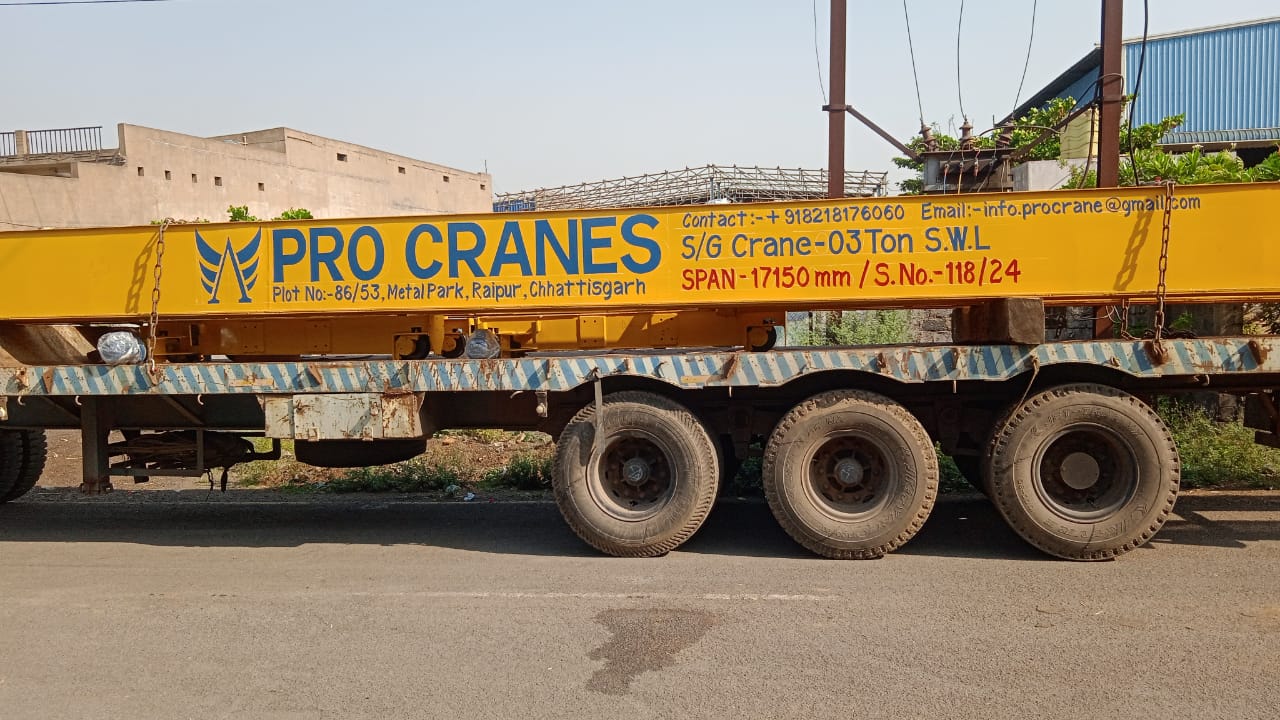
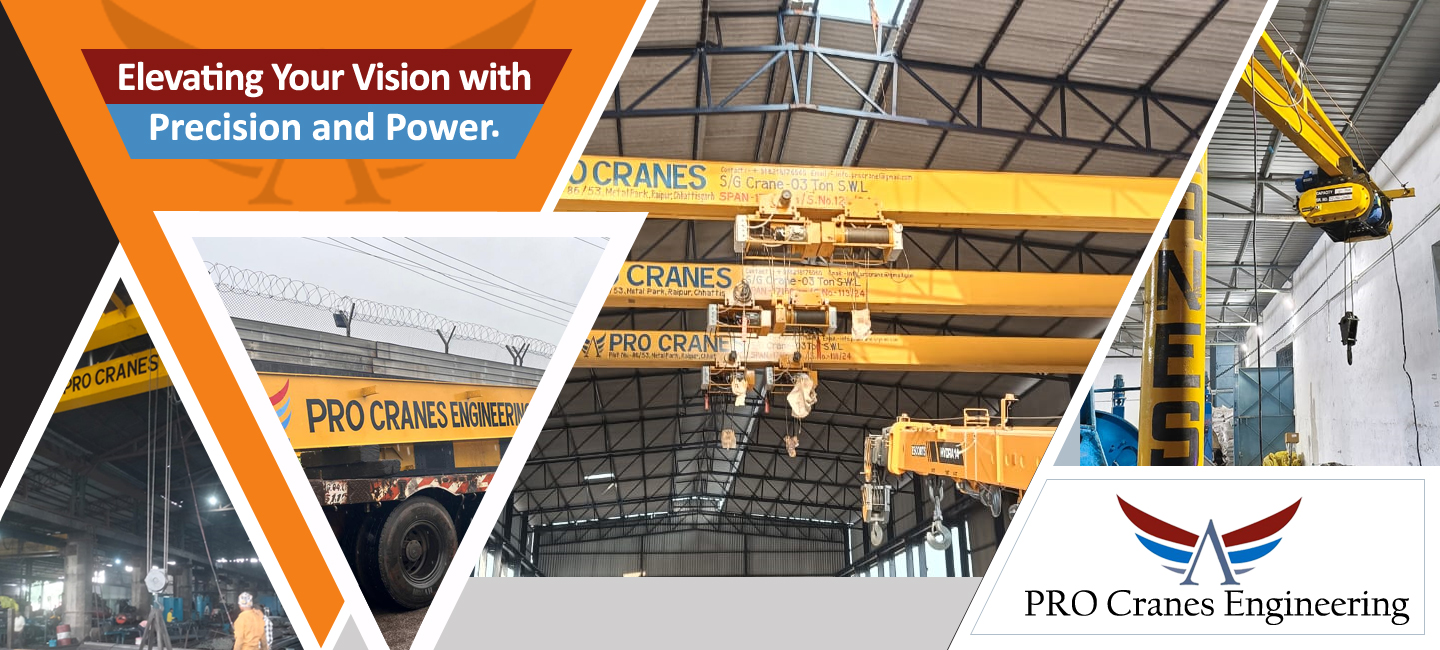
Electrical Wire Rope Hoist Manufacturers in India serve everything from small workshops to continuous-duty steel and cement plants, with capacities generally ranging from 1 ton to 50+ tons. Pro Cranes Engineering, an 18-year Indian manufacturer with 1,000+ crane and hoist installations across Steel, Power, Cement, and Heavy Engineering sectors, builds electrical wire rope hoists matched to actual duty cycle and application — not just peak load.
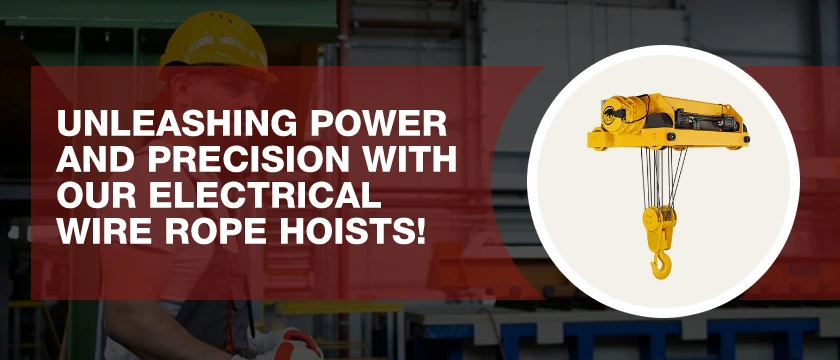
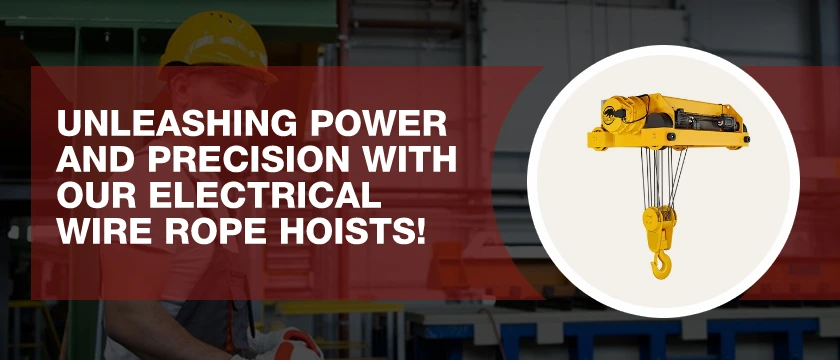
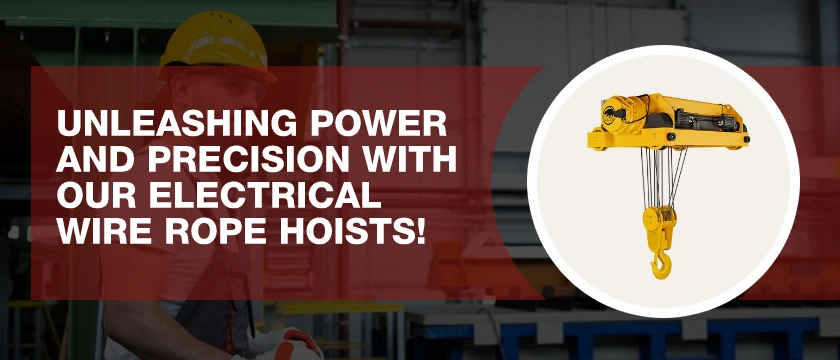
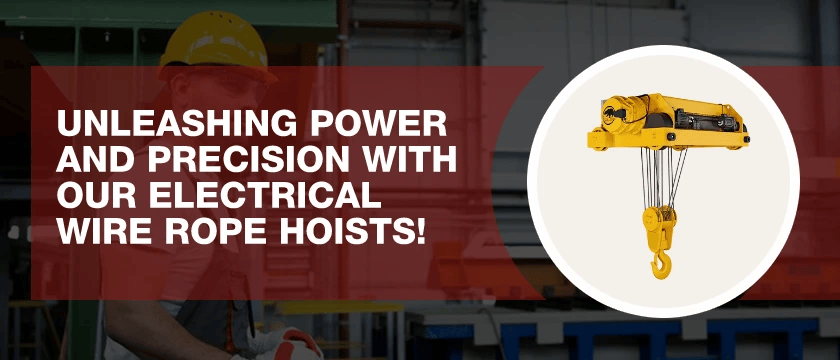
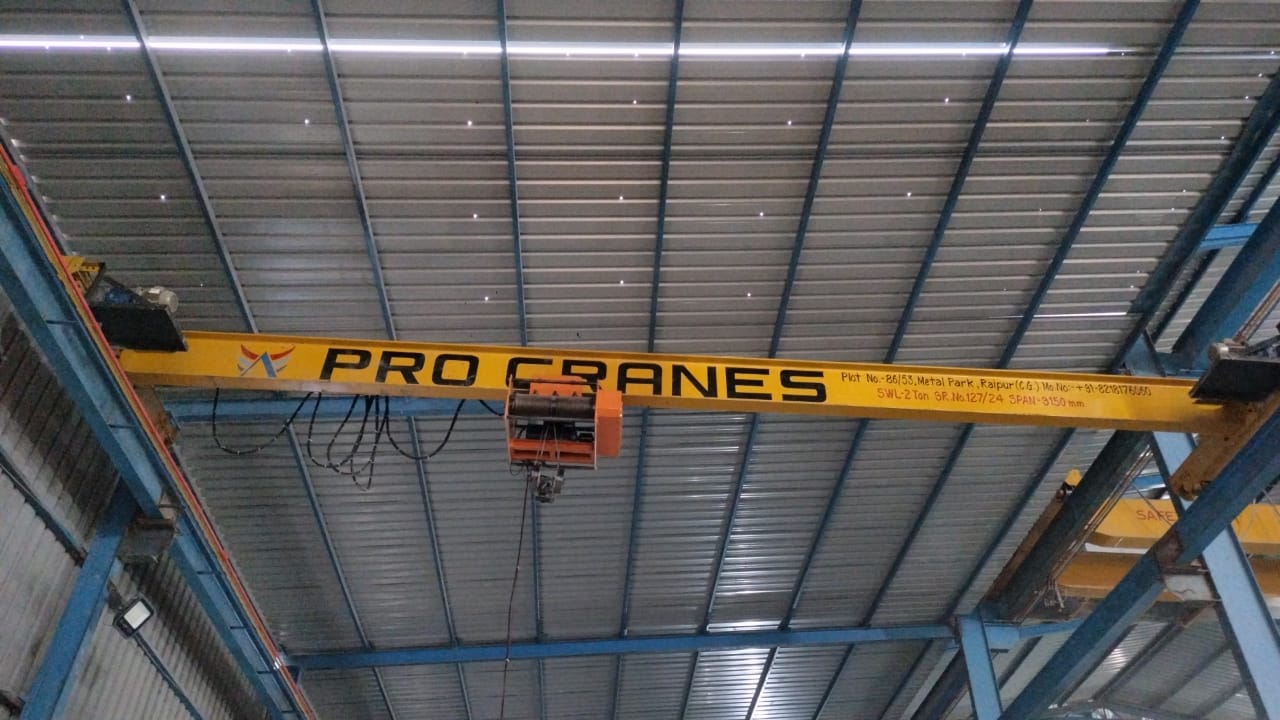
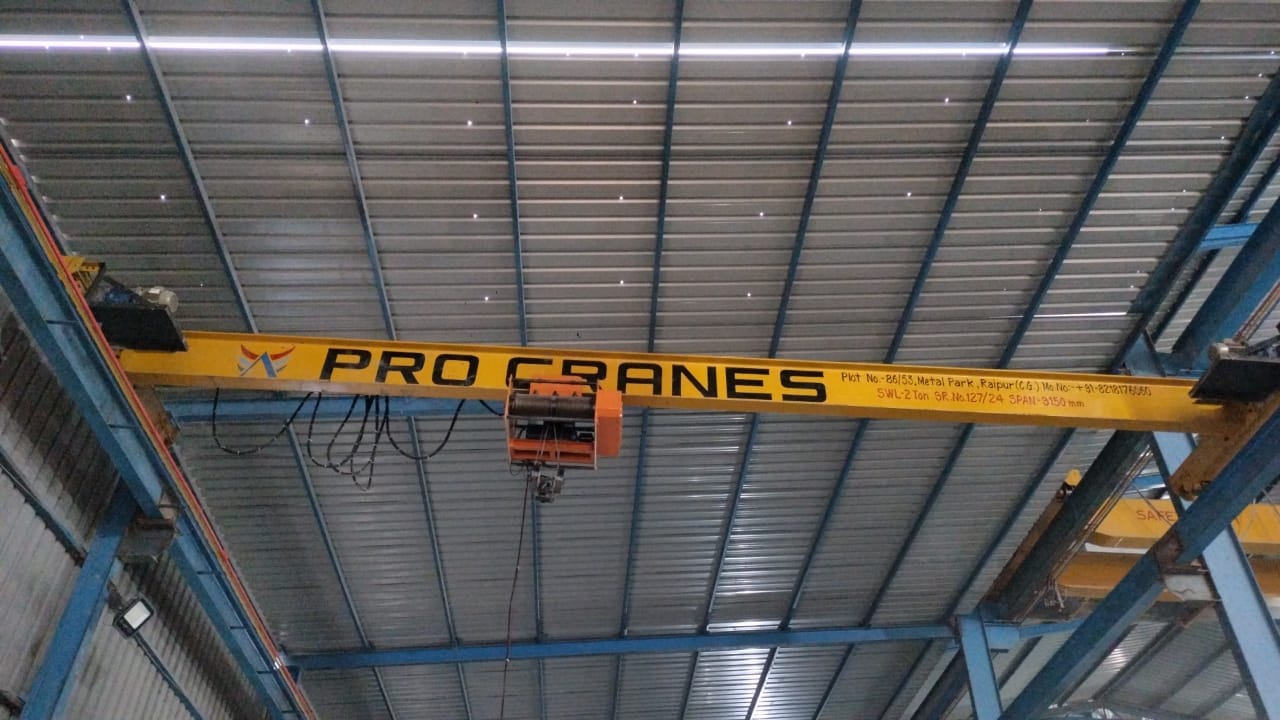
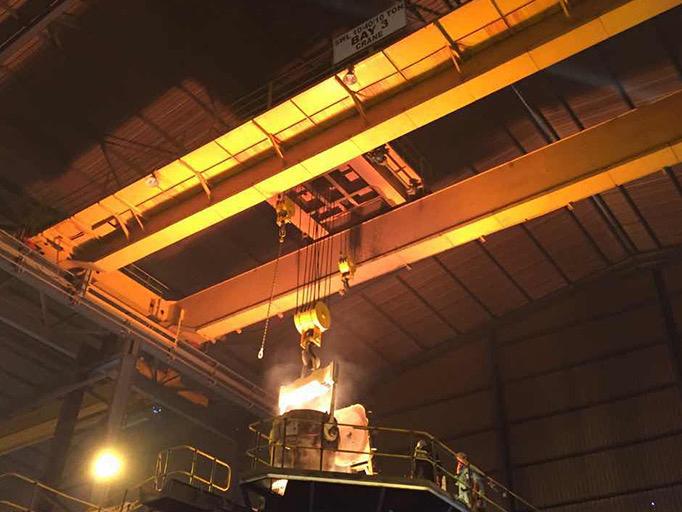
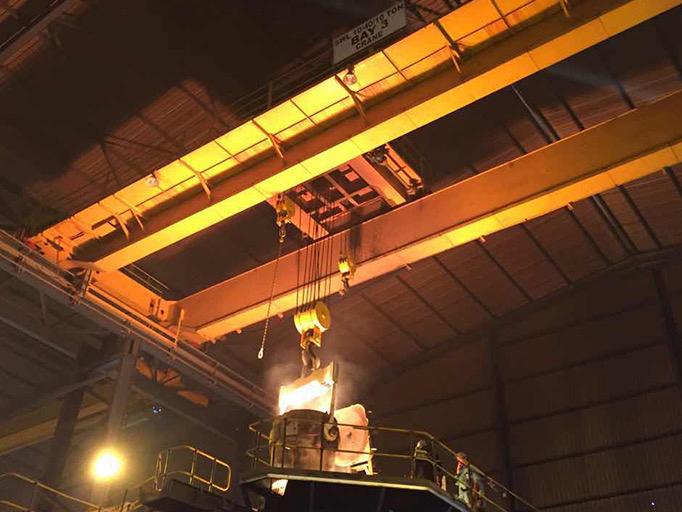
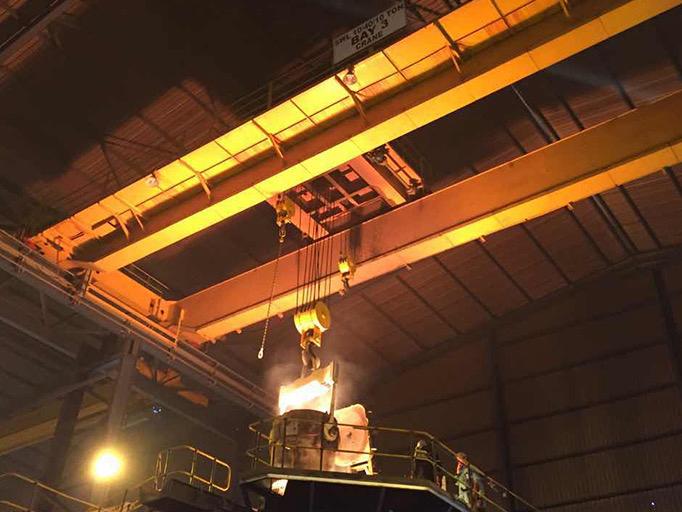
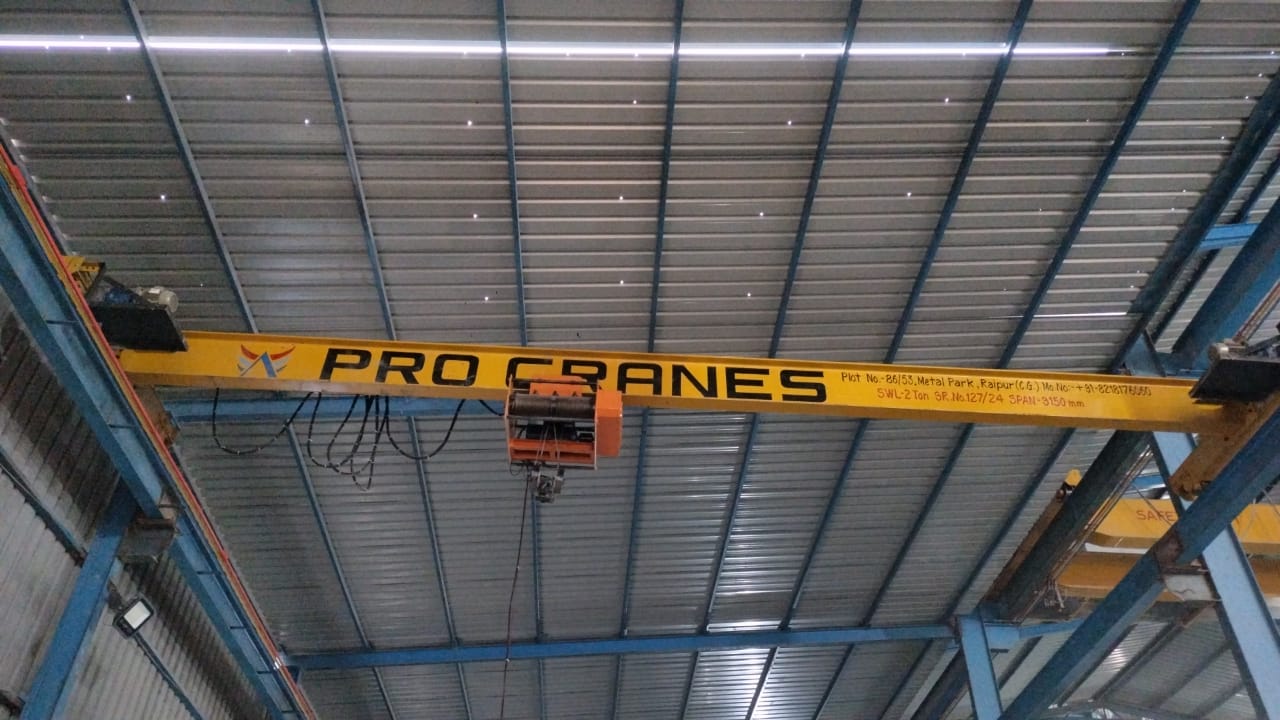
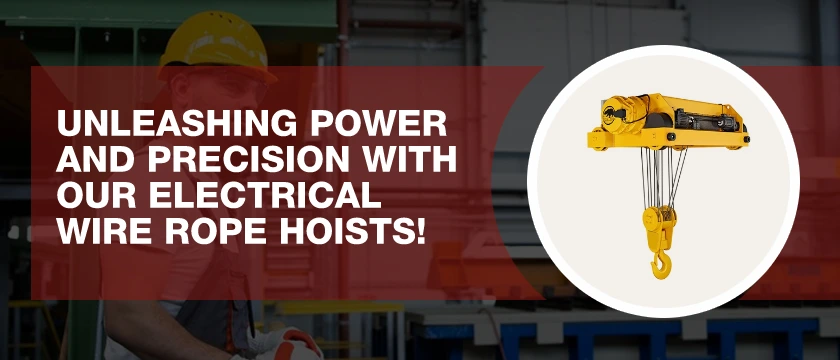
An electrical wire rope hoist is a motor-driven lifting mechanism that raises and lowers loads using a steel wire rope wound around a rotating drum, typically installed on an overhead crane trolley or fixed mounting.
Key Facts
- Wire rope hoists typically outperform chain hoists above 5 tons in speed and duty-cycle tolerance
- Common Indian industrial applications range from 1 ton (light workshop) to 50+ tons (steel and cement)
- Duty class (how often the hoist operates) matters as much as capacity in specification
- Pro Cranes Engineering has delivered 1,000+ units over 18+ years from its Raipur, Chhattisgarh facilities
Why This Guide Exists
Searching for electrical wire rope hoist manufacturers in India usually means you're at one of two decision points: specifying a new hoist for a crane or fixed lifting point, or replacing an underperforming or worn-out unit. Both decisions hinge on the same core question this guide answers directly — how do you match capacity and duty class to your actual application, not just your peak lift weight?
Why Getting This Right Matters More Than People Expect
A wire rope hoist that's undersized for duty cycle — even if correctly sized for peak load — will show premature gearbox and brake wear within 12–18 months. Conversely, an oversized hoist adds unnecessary cost and, in some cases, unnecessary structural load on the supporting crane or mounting point. The right specification balances peak capacity, lifts-per-hour, and total daily operating duration.
How an Electrical Wire Rope Hoist Actually Operates
- Motor drives a reduction gearbox to control lifting speed
- Drum rotates, winding or unwinding the wire rope
- Wire rope passes through a pulley system (for multi-fall configurations on higher capacities)
- Hook block attaches to the load at the end of the wire rope
- Limit switches and brakes control travel limits and hold the load securely when stationary
Who Uses Electrical Wire Rope Hoists in India
- Steel and metal fabrication units handling structural components
- Cement manufacturers moving raw material and machinery parts
- Power plants requiring hoists for turbine and generator maintenance
- Automobile and heavy engineering manufacturers for assembly-line material movement
- Warehousing and logistics operators needing faster cycle times than chain hoists provide
Wire Rope Hoist Capacity Guide by Application
|
Application Type |
Typical Capacity Range |
Recommended Duty Class |
|
Light Workshop / Job Shop |
1–3 tons |
Class A–B |
|
Warehousing / Logistics |
2–10 tons |
Class B |
|
Automobile / Assembly Manufacturing |
3–10 tons |
Class B–C |
|
Steel Fabrication |
10–25 tons |
Class C–D |
|
Cement / Heavy Industrial |
15–50 tons |
Class D |
Wire Rope Hoist vs. Chain Hoist: A Direct Comparison
|
Factor |
Chain Hoist |
Electrical Wire Rope Hoist |
|
Capacity Range |
Generally up to 5–10 tons |
1 to 50+ tons |
|
Lifting Speed |
Slower |
Faster, better for production throughput |
|
Continuous Duty Suitability |
Limited |
Well suited |
|
Compact Design at High Capacity |
Bulkier |
More compact |
|
Typical Cost |
Lower upfront |
Higher upfront, better ROI at scale |
Benefits of Sourcing from an Established Indian Manufacturer
- Faster delivery than international imports, with no customs delay
- Lower landed cost compared to European equivalents at comparable duty class
- Easier access to spare parts and service support within India
- Manufacturers with large installation histories offer proven, repeatable reliability
The Specification Mistake to Avoid
The most common error buyers make is requesting a quote with only capacity and lift height specified, omitting duty cycle entirely. This forces the manufacturer to quote a general-purpose unit that may be significantly under- or over-engineered for actual use. Always include lifts per hour and total daily operating hours in your enquiry.
Examples
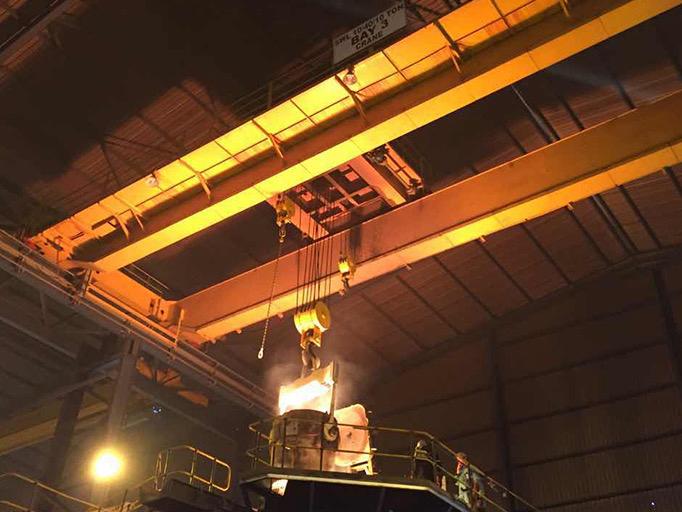
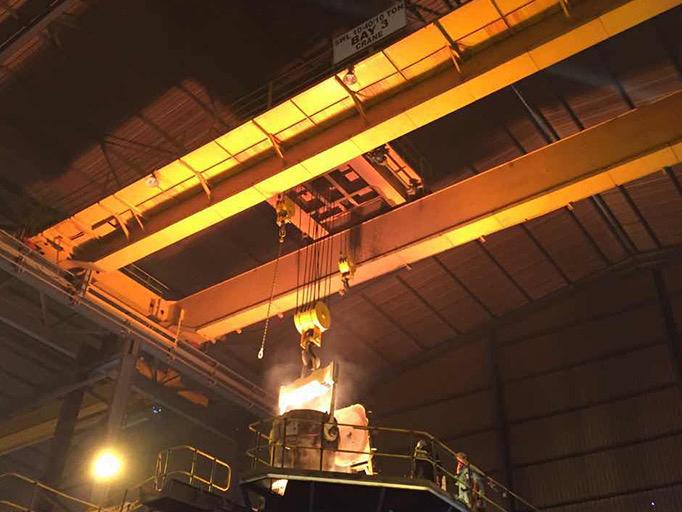
- A steel fabrication unit in central India installing a 15-ton wire rope hoist on an existing double girder crane, replacing a hoist that failed after being under-specified for continuous duty.
- A warehouse operator adding a 5-ton wire rope hoist for palletized goods handling, selecting Class B duty based on moderate but regular daily use.
- A power plant maintenance team specifying a Class D, 25-ton wire rope hoist for turbine component handling during scheduled overhauls.
Where Pro Cranes Engineering Fits In
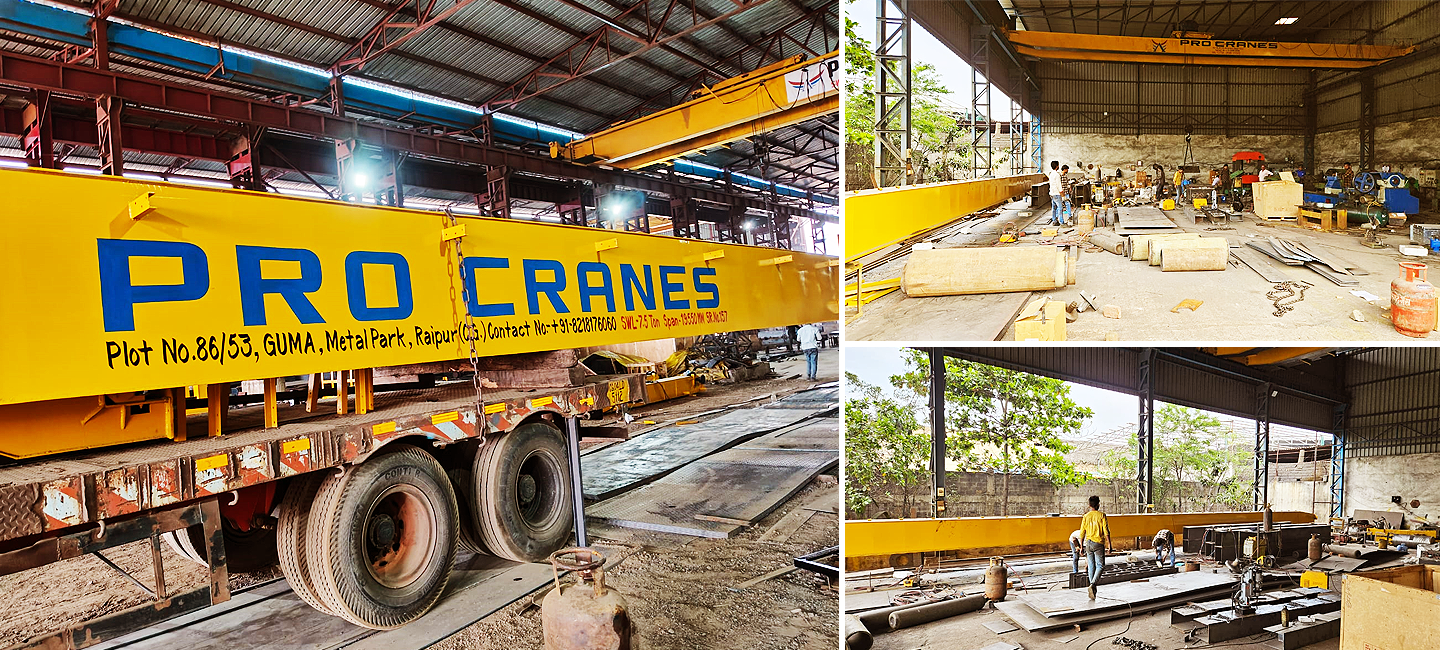
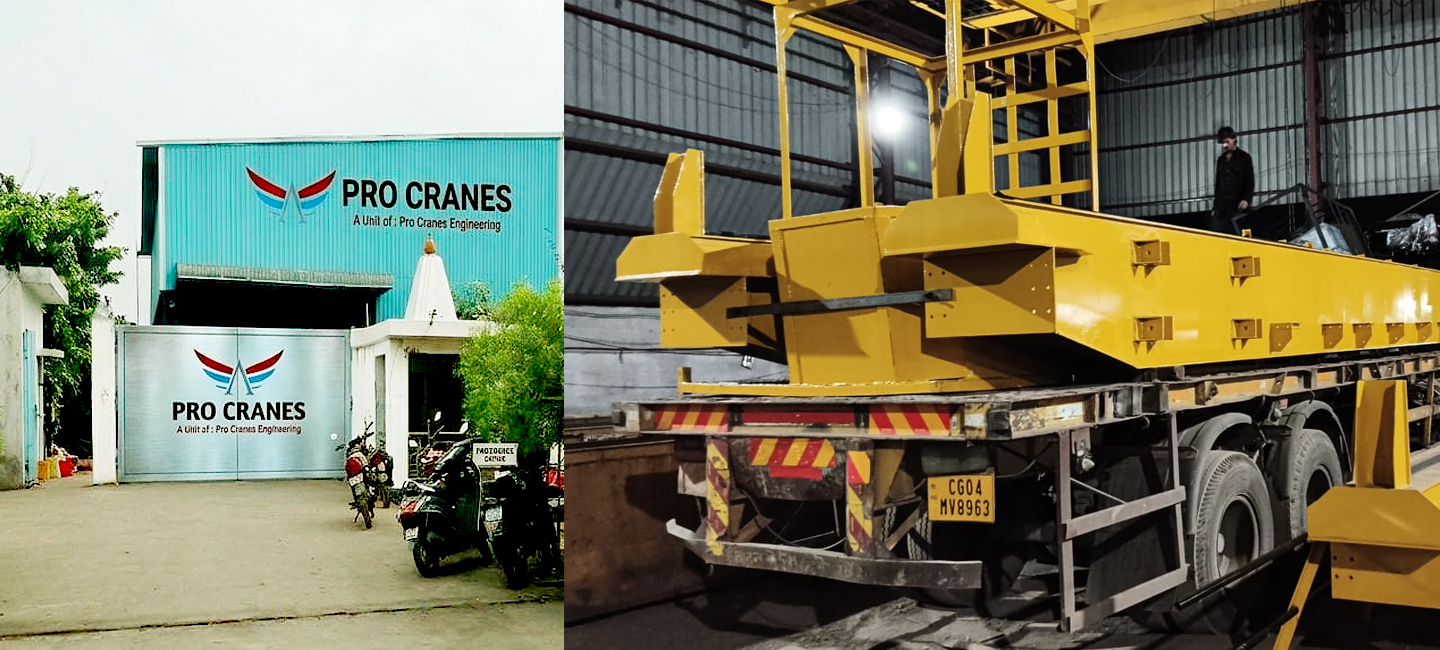
Pro Cranes Engineering, founded by Mr. Amit Chauhan, has spent 18+ years manufacturing electrical wire rope hoists from its three production units in Raipur, Chhattisgarh. With 1,000+ installations and 500+ clients across Steel, Power, Cement, Construction, and Heavy Engineering sectors, the company's approach starts with duty cycle and application questions before quoting capacity — the same discipline that separates a hoist that lasts 15 years from one that fails in 18 months — and it's the standard worth holding any of the electrical wire rope hoist manufacturers in India you shortlist to.
What's Next for Wire Rope Hoists in India
Expect continued adoption of variable-speed drives for smoother, more precise load control, growing demand for compact high-capacity designs as building footprints shrink in urban industrial zones, and increased buyer sophistication around duty-class specification as more plants report the cost of getting it wrong.
Frequently Asked Questions
What capacity of wire rope hoist do I need for a workshop?
Most light workshops operate comfortably with 1–3 ton wire rope hoists; confirm against your heaviest regular lift and expected frequency.
How is duty class different from capacity?
Capacity is the maximum weight a hoist can lift; duty class describes how frequently and continuously it operates, which affects motor, gearbox, and brake sizing.
Can a wire rope hoist be retrofitted onto an existing crane?
Often yes, provided the crane's trolley and structural rating match the hoist's capacity and mounting requirements — always confirm compatibility before ordering.
How long does an electrical wire rope hoist typically last?
With correct duty-class specification and routine maintenance, 10–15+ years of reliable service is typical.
What maintenance is required for a wire rope hoist?
Regular inspection of the wire rope for wear or fraying, brake performance checks, and periodic gearbox lubrication, generally on a monthly or quarterly schedule.
Is a wire rope hoist better than a chain hoist for a steel plant?
Generally yes, above 5–10 tons, wire rope hoists offer better speed, duty-cycle tolerance, and compactness compared to chain hoists.
Does Pro Cranes Engineering manufacture hoists for both new cranes and retrofits?
Yes, the company supplies wire rope hoists both as part of new crane systems and as standalone units for existing crane retrofits.
Get Your Hoist Specified Correctly
Pro Cranes Engineering — Unit 1: Plot No. 86/53,52 Metal Park, Near Gravity Ferro, Raipur – 493221 |
Unit 2: 423/70, Guma Nandanvan Road, Near R Logistics Park, Raipur – 492099, Chhattisgarh |
Unit 3: Plot No. 12, Industrial Area Bartori, Tilda, Raipur – 493114, Chhattisgarh
Call +91 82181 76060 or email info.procrane@gmail.com / info@procranes.in with your capacity and duty cycle details.