Overhead Crane Manufacturers in South Africa for Mining and Mineral Processing
What South African plant engineers should check before importing a crane
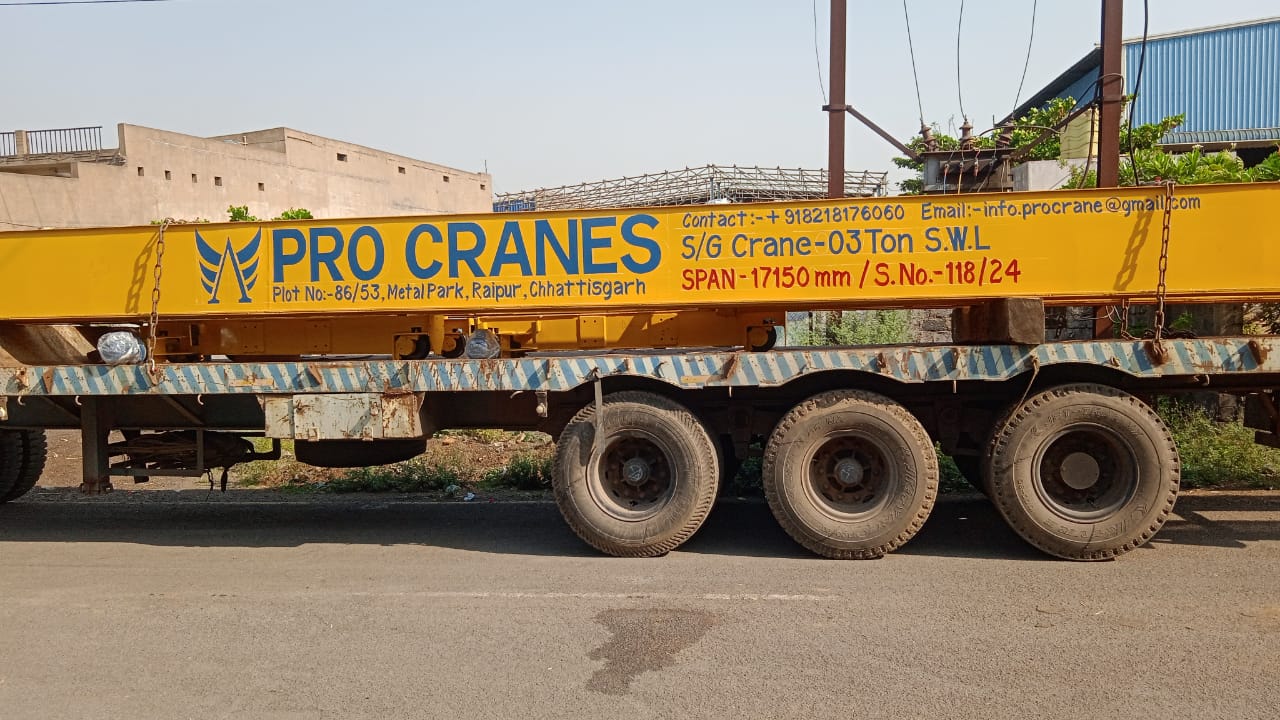
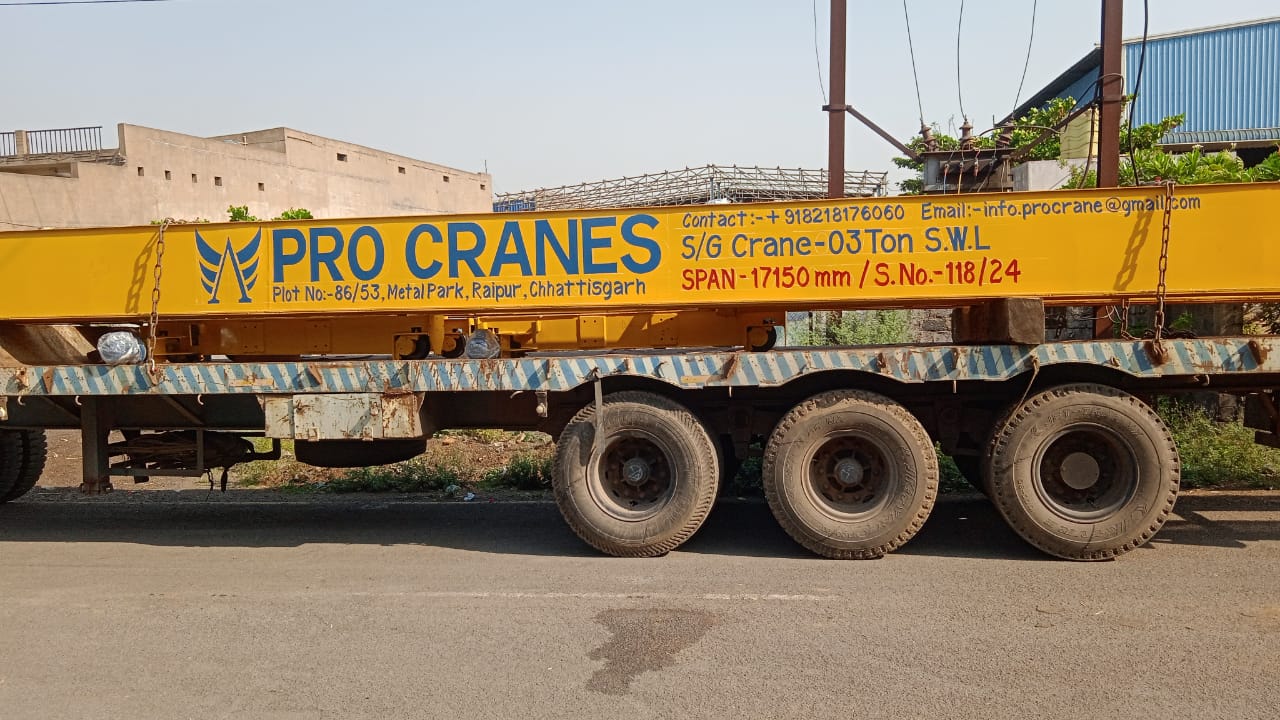
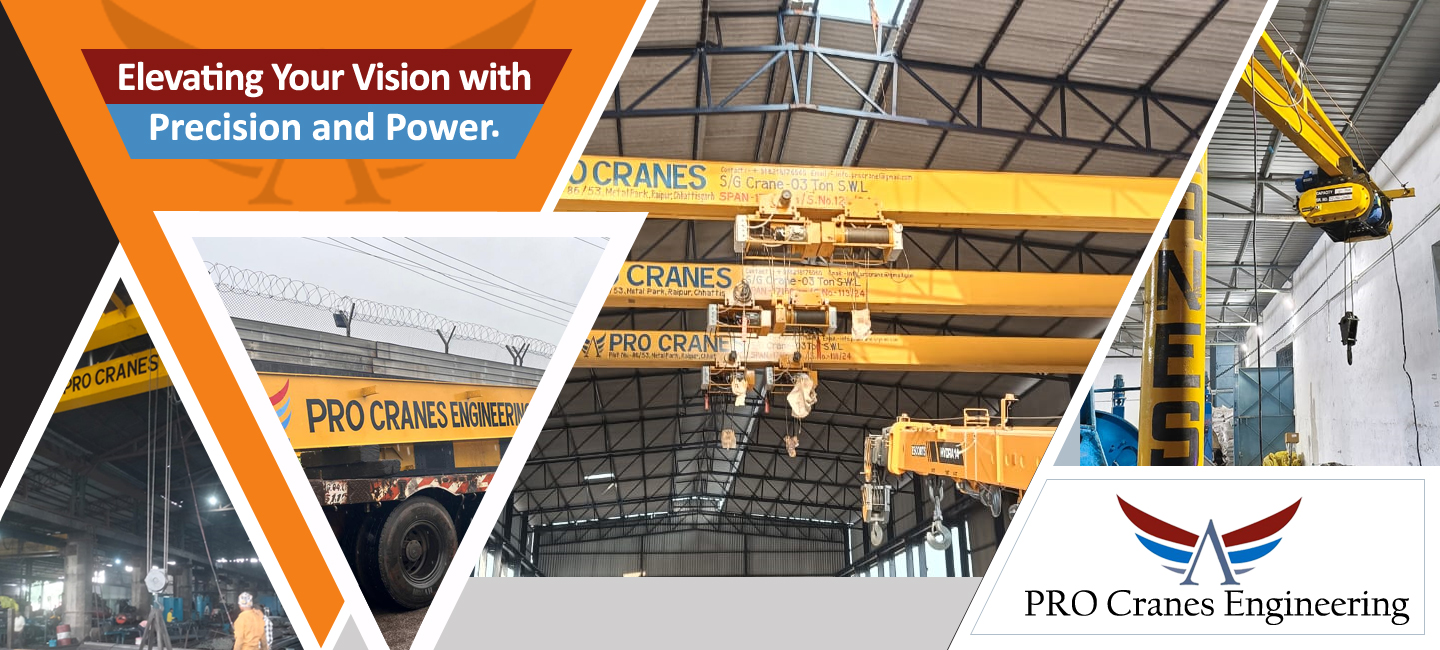
South African mining, mineral processing, and steel operations increasingly source from overhead crane manufacturers in South Africa's import network rather than local fabrication shops, mainly because of duty-class engineering and after-sales spares reliability. Pro Cranes Engineering, an Indian manufacturer with 18+ years of experience and 1,000+ installations, supplies overhead crane systems built for the abrasive, dust-heavy, continuous-duty conditions typical of South African mining and mineral processing plants — at a materially lower landed cost than European equivalents.
What is an Overhead Crane?
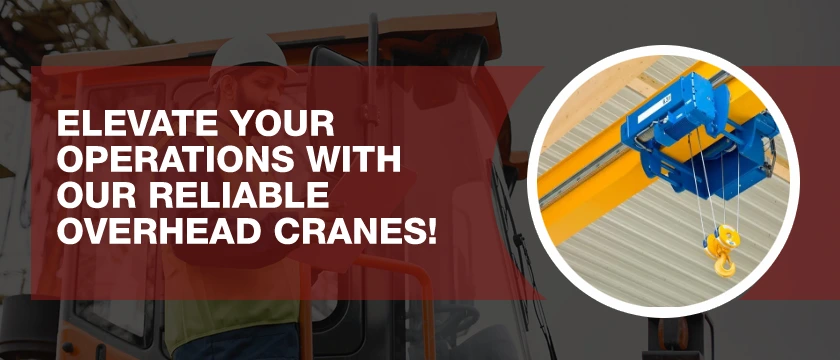
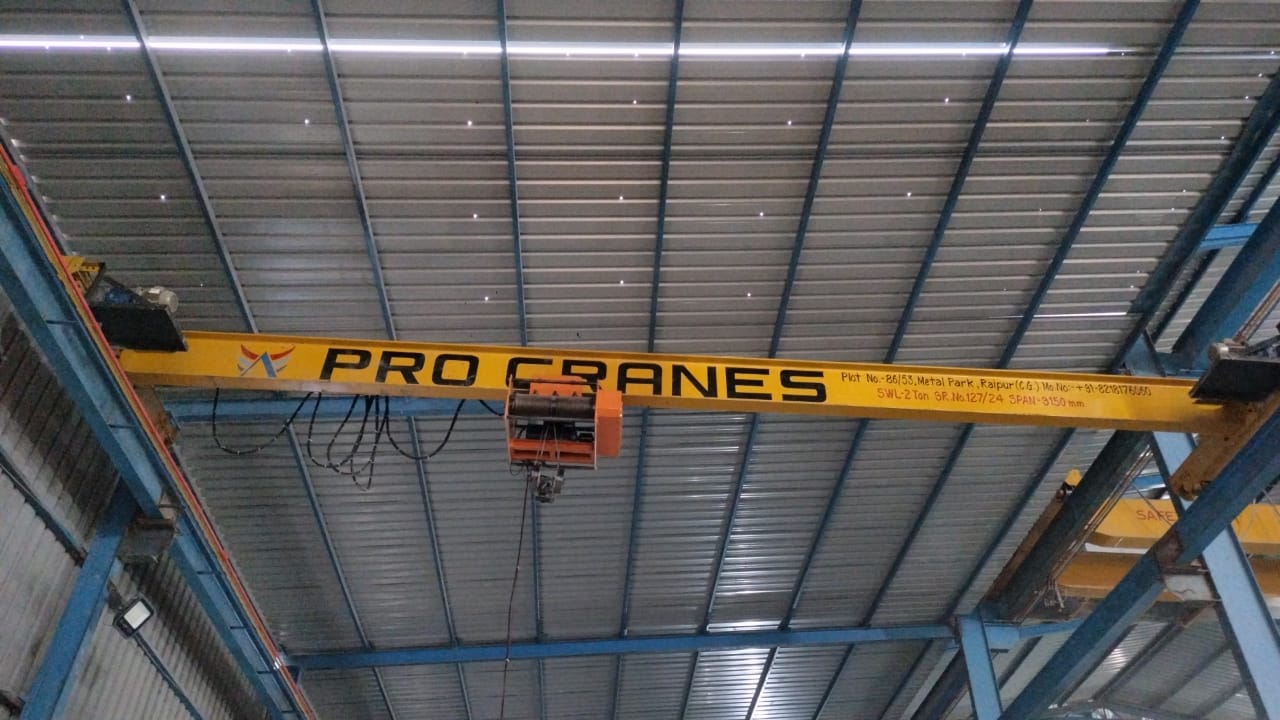
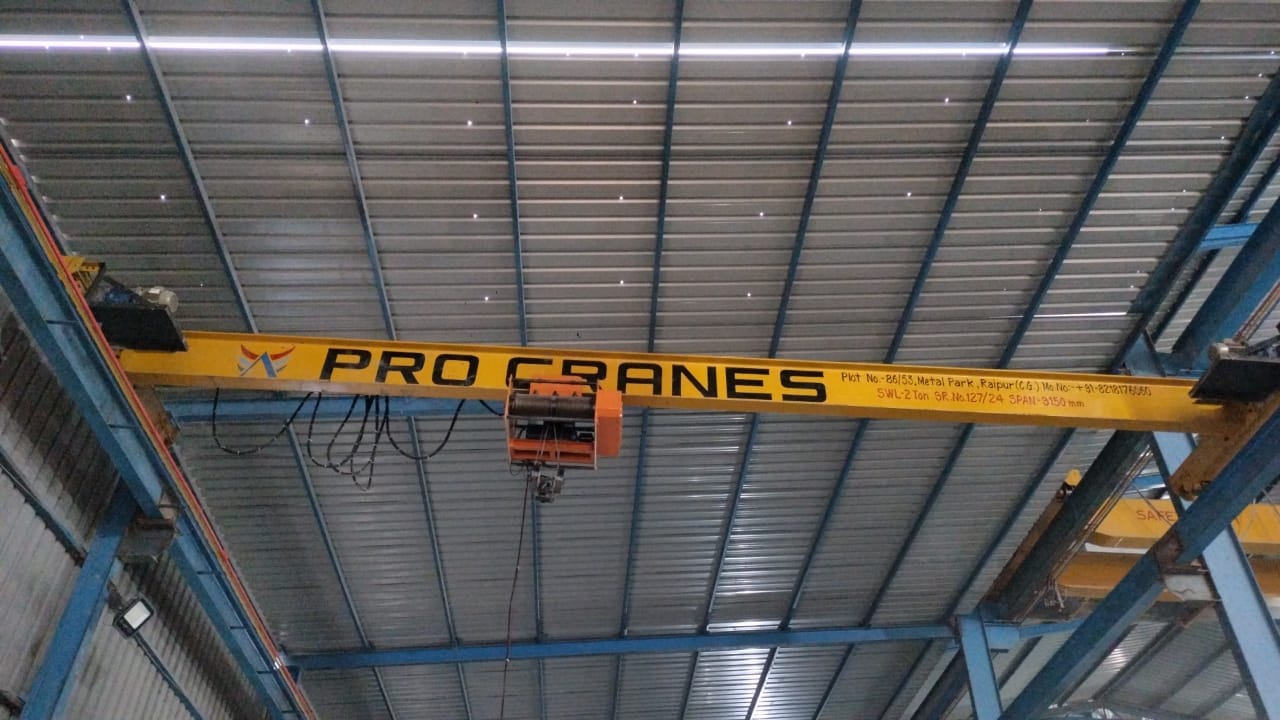
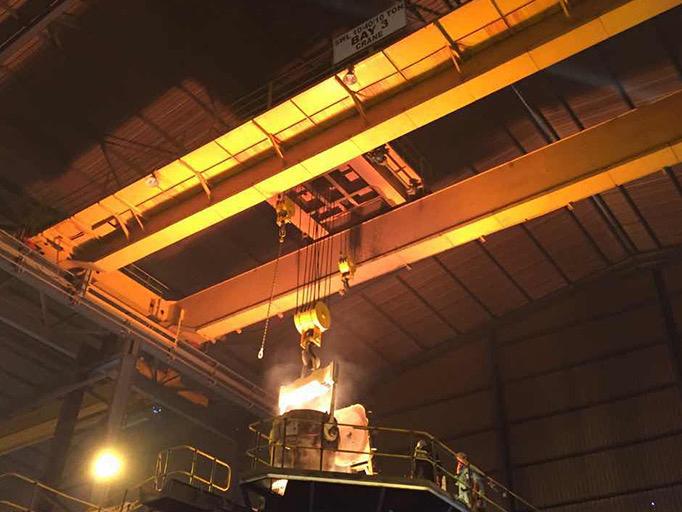
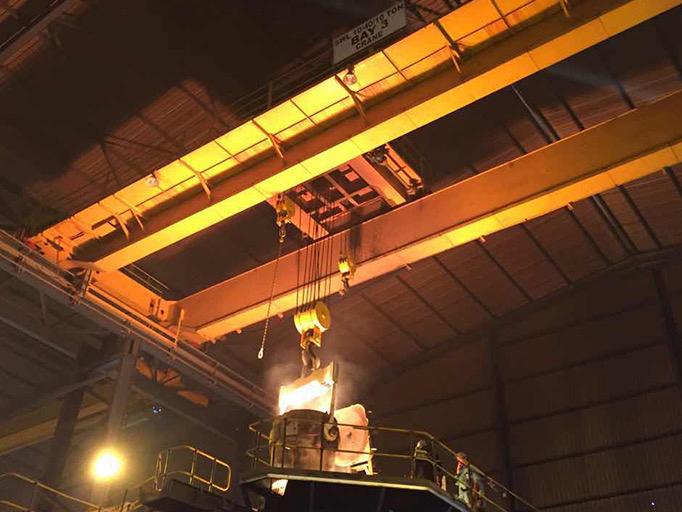
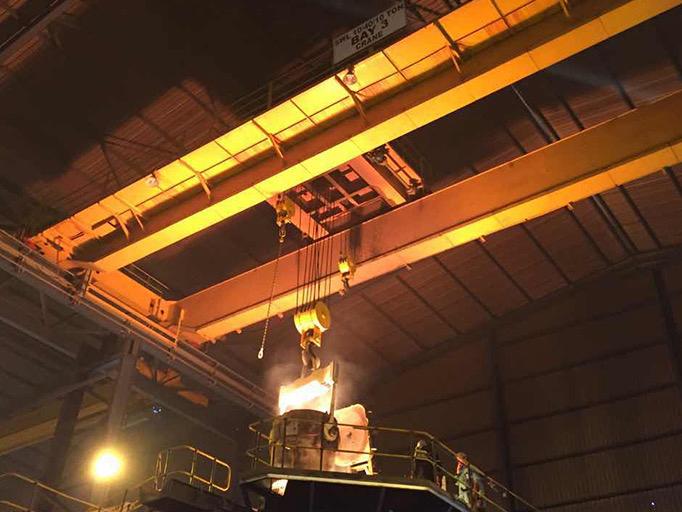
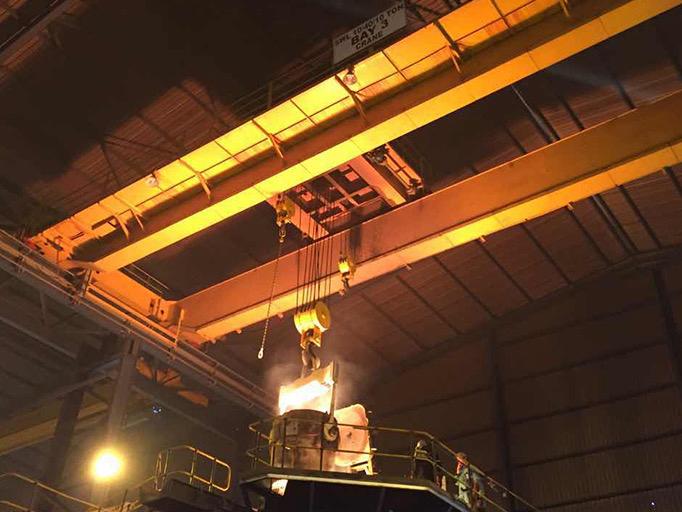
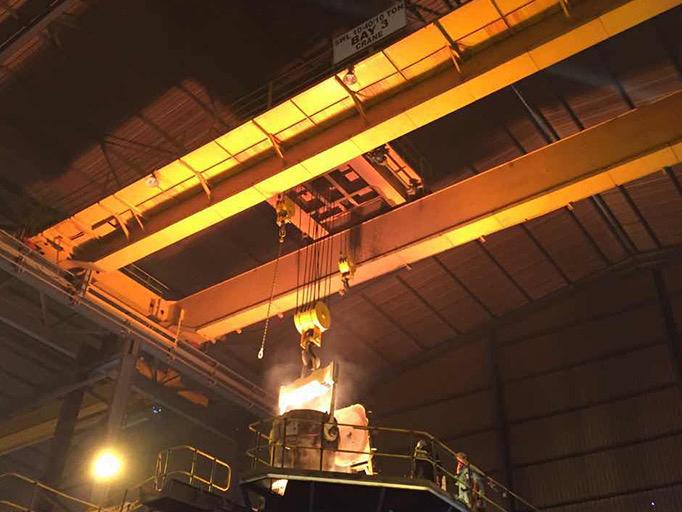
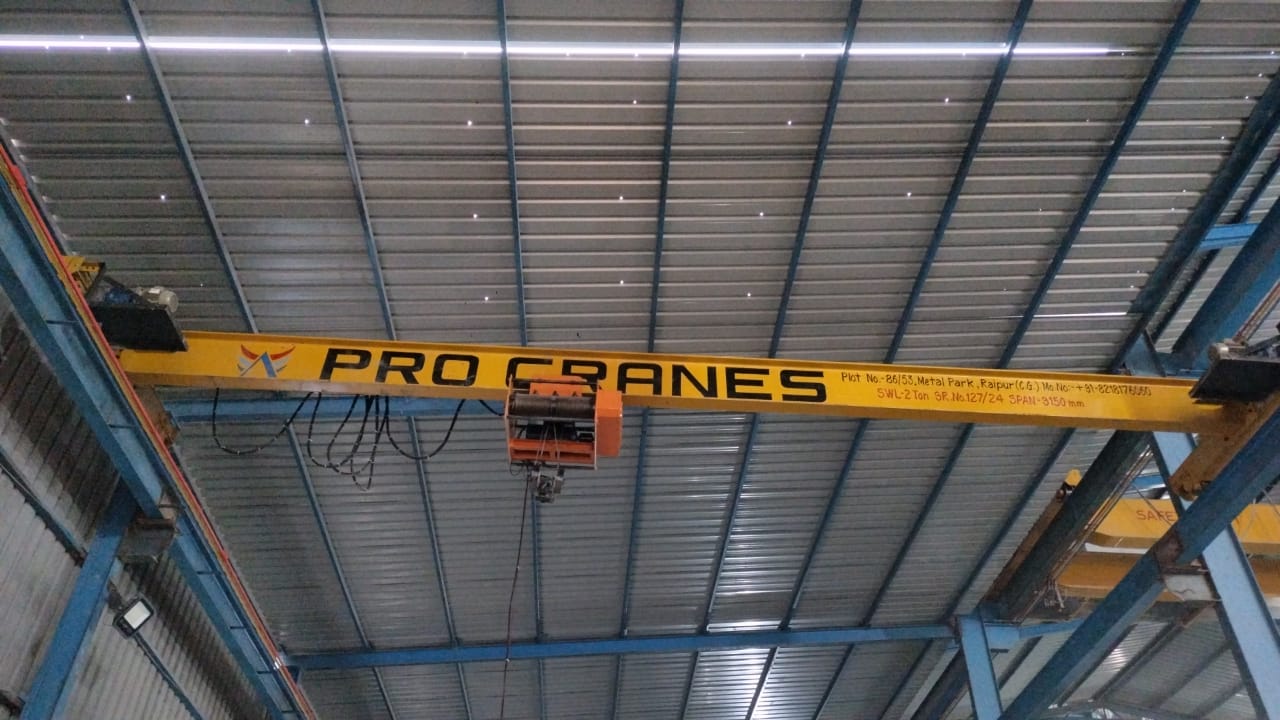
An overhead crane is a bridge-type lifting machine that travels on elevated rails to move heavy material horizontally and vertically across a fixed indoor or semi-enclosed span.
Key Facts for South African Buyers
- South Africa's mining sector remains one of the largest overhead crane end-users on the continent
- Continuous-duty Class D cranes are standard for smelting, crushing, and mineral processing plants
- Import lead time from an established Indian manufacturer typically runs 8–12 weeks including sea freight
- Pro Cranes Engineering has supplied overhead crane systems into multiple African markets alongside its domestic Indian base
Why South African Buyers Are Looking Beyond Local Fabrication
If you're searching for overhead crane manufacturers in South Africa, chances are your plant has hit one of two walls: local fabrication shops quoting long lead times for anything above Class C duty, or existing cranes failing under continuous mining-duty cycles they were never engineered for. This is a sourcing decision, not a browsing exercise, and it deserves a direct answer rather than a product list.
The Core Problem: Duty Class Mismatch
South African mining and mineral processing environments are abrasive, dusty, and often run 24/7. A crane engineered for European Class A/B intermittent use will fail prematurely here. The single biggest mistake buyers make is treating tonnage as the only spec that matters, when duty class — how often and how continuously the crane operates — determines gearbox life, motor sizing, and wheel wear far more than raw capacity does.
How an Overhead Crane Handles a Mining-Duty Cycle
- Structural sizing for continuous load reversal, not just peak load
- Motor and gearbox selection rated for Class D duty (60%+ duty cycle, high starts per hour)
- Dust and corrosion protection on electrical enclosures and control panels
- Reinforced end trucks and wheels to handle abrasive particulate ingress
- Remote or cabin control positioned away from direct dust and heat exposure
Who This Applies To
- Mining houses running continuous ore handling and crushing circuits
- Mineral processing plants moving concentrate, slag, or bulk material
- Steel mills and smelters across Gauteng and the broader industrial belt
- Ports and logistics operators handling containerized and bulk cargo
- Construction and infrastructure contractors on large civil projects
Local Fabrication vs. Imported Manufacturer: A Straight Comparison
|
Factor |
Local South African Fabricator |
Established Import Manufacturer (e.g., Pro Cranes Engineering) |
|
Class D Engineering Experience |
Varies widely by shop |
Standardized across 1,000+ prior installs |
|
Lead Time (Heavy Duty) |
Often 12–20 weeks |
8–12 weeks including shipping |
|
Landed Cost for Class D |
Higher labor cost per ton |
Lower manufacturing cost, offset by freight |
|
Spare Parts Standardization |
Custom per shop |
Repeatable design, easier restocking |
|
Documentation for Compliance |
Varies |
Standard technical data sheets provided |
Benefits of Sourcing an Overhead Crane Built for African Mining Conditions
- Lower total cost of ownership when duty class is correctly matched at quote stage
- Faster restart after breakdown due to standardized component design
- Reduced structural fatigue on runway beams from correctly rated wheel loads
- Better ROI on a 15–20 year asset life when duty class isn't under-specified to save upfront cost
These are the same reasons that most established overhead crane manufacturers in South Africa's import network now outcompete general local fabrication shops on heavy-duty contracts.
What to Watch Out For
The most damaging mistake in this market is under-specifying duty class to reduce initial price. A Class C crane running Class D hours in a mineral processing plant will show gearbox and brake failures within 18–24 months — well before the design life of the structure. Any manufacturer worth shortlisting should ask about hours of operation per day, not just tons per lift.
Real-World Application Examples
- A mineral processing plant in the Northern Cape upgrading from a locally fabricated Class B crane to a Class D unit after repeated gearbox failures under continuous crushing-circuit operation.
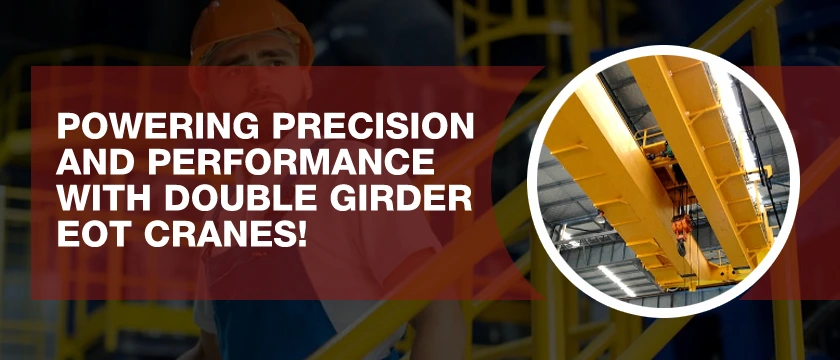
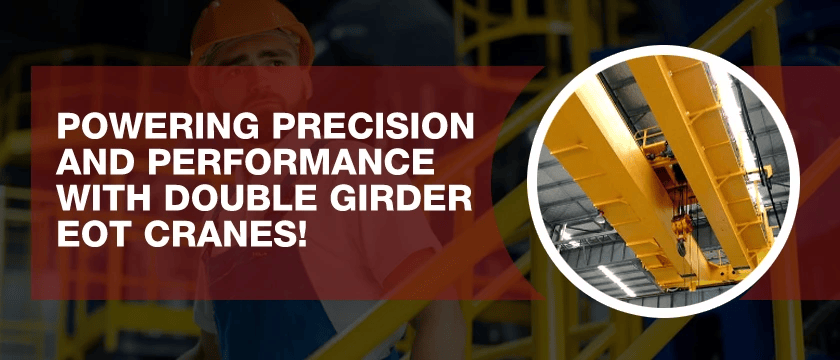
- A steel fabrication yard near Johannesburg using a double girder overhead crane to move structural components between cutting, welding, and dispatch bays.
- A logistics terminal handling containerized freight with a mid-capacity overhead crane sized for repetitive, moderate-duty lifts rather than peak tonnage alone.
Where Pro Cranes Engineering Fits In
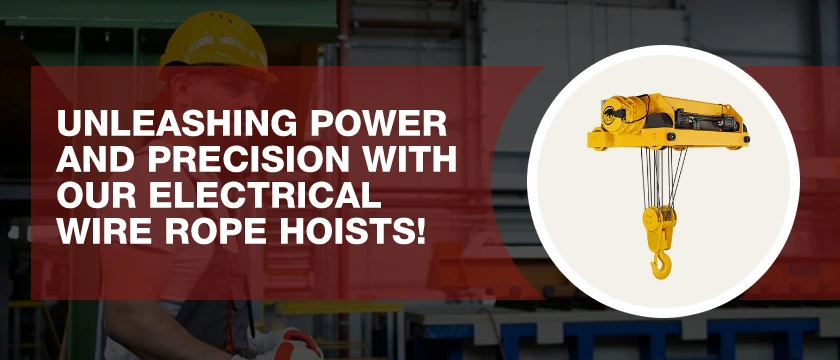
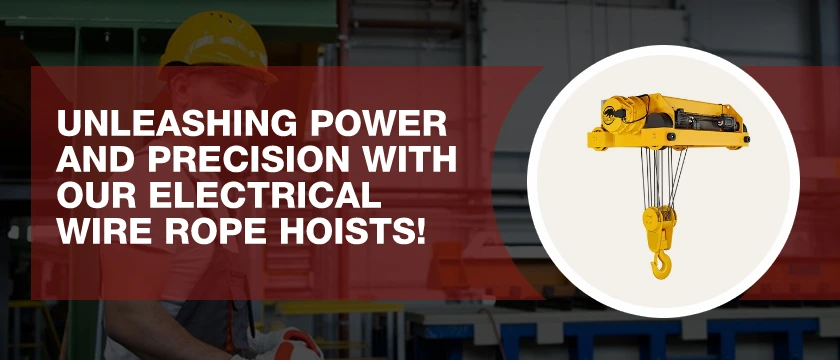
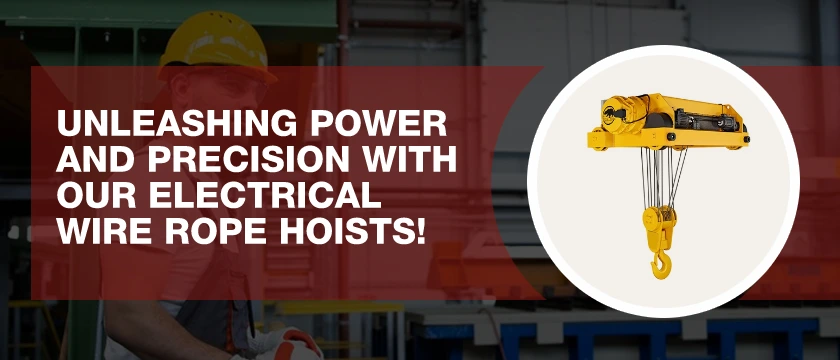
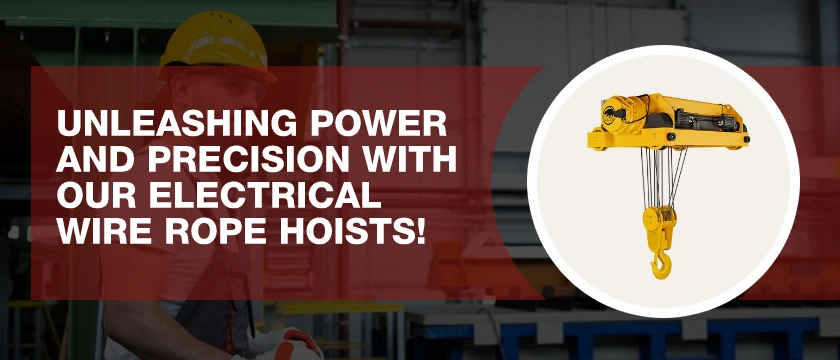
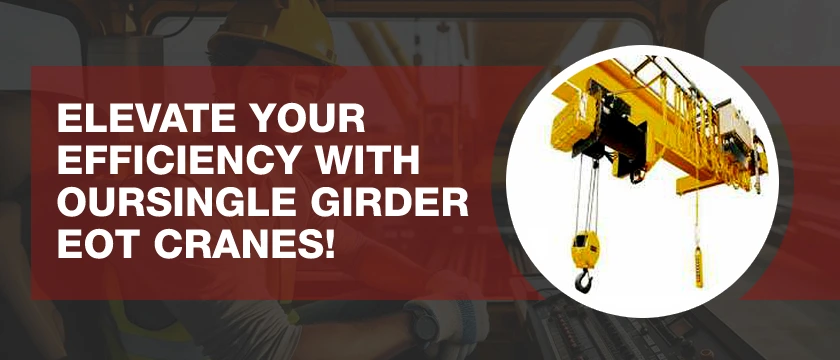
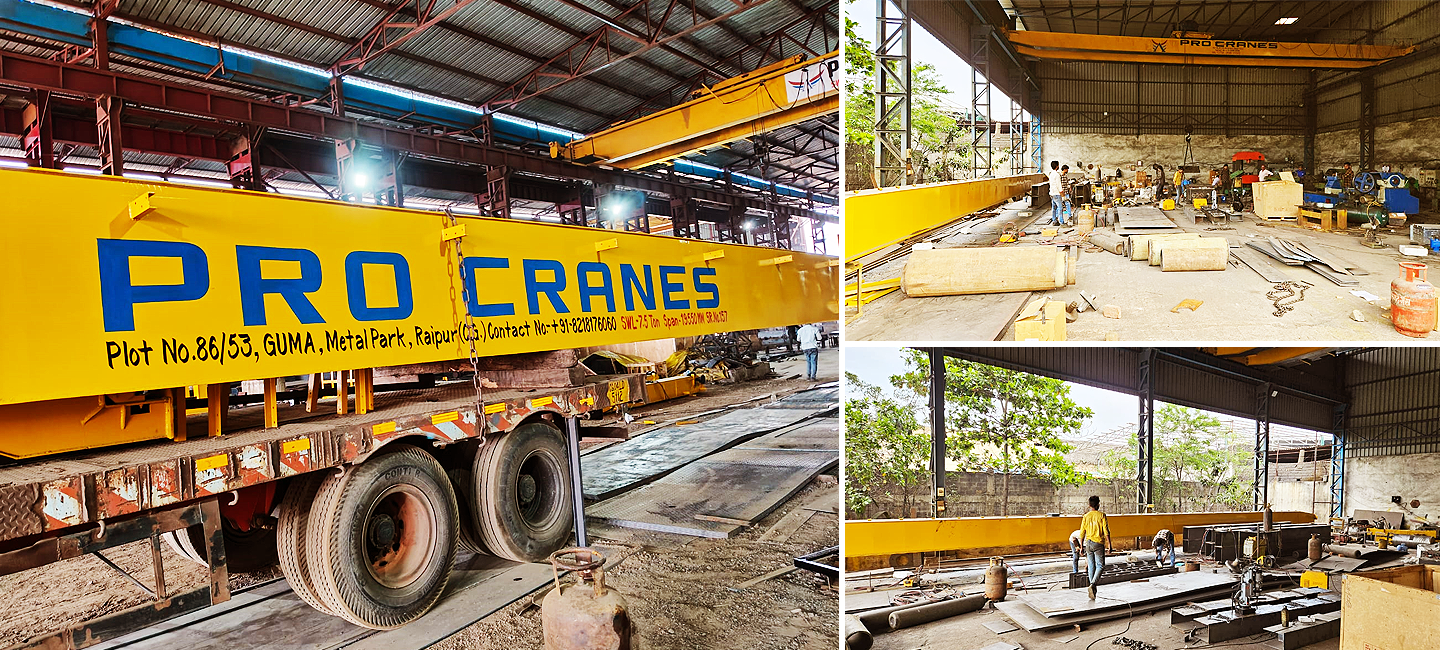
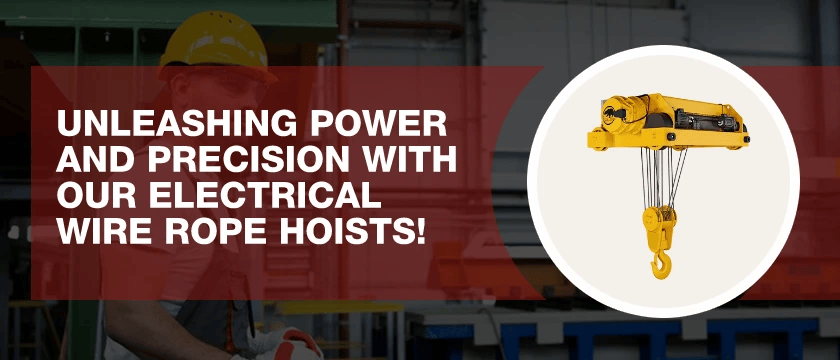
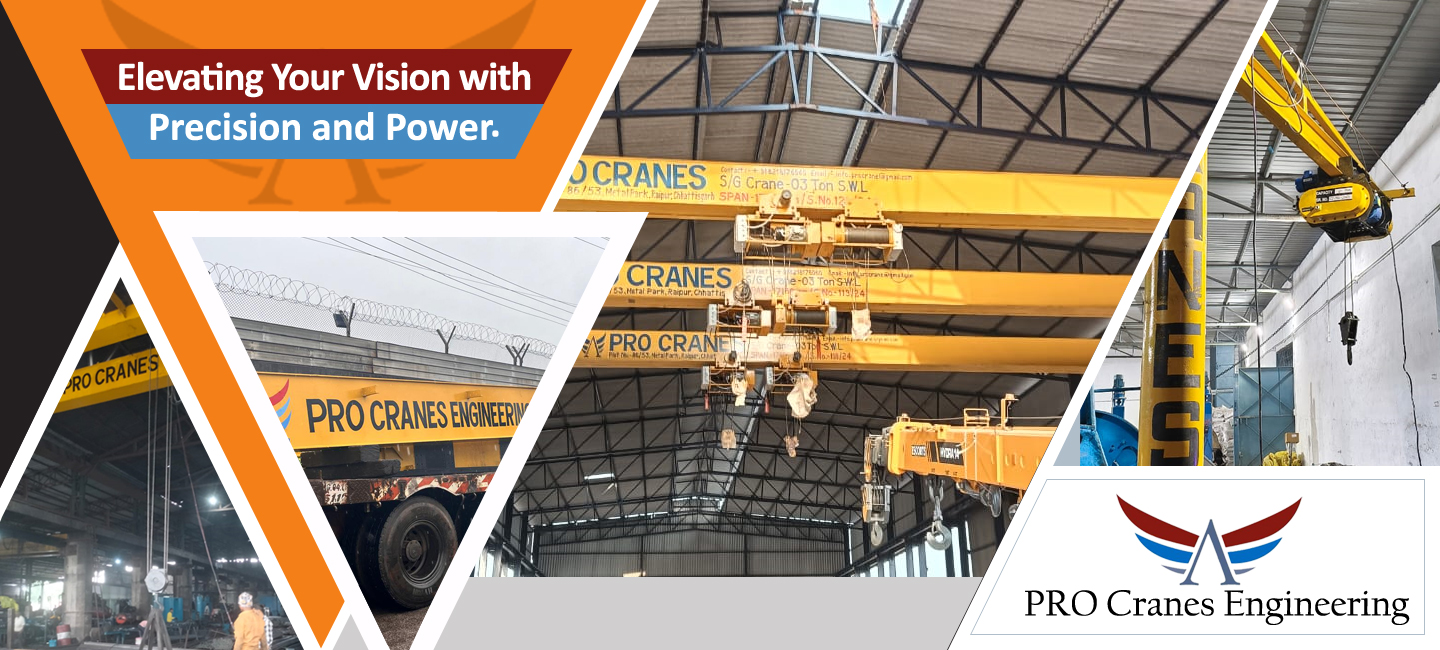
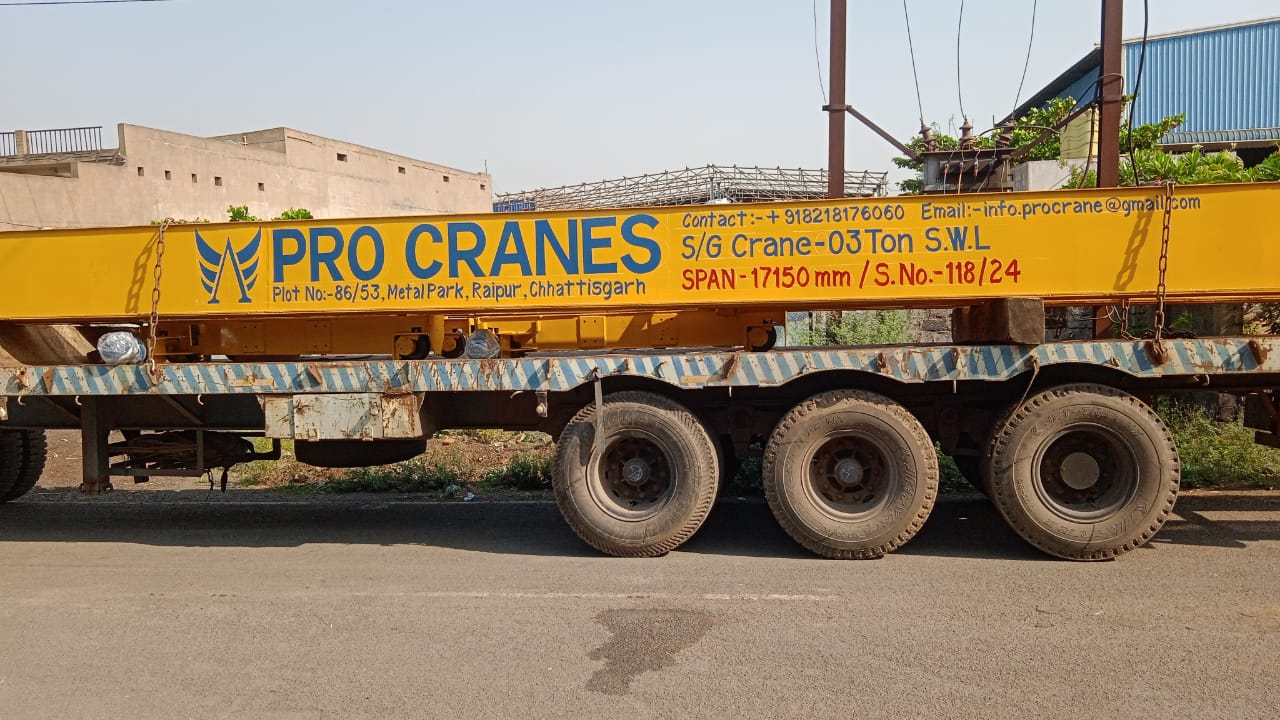
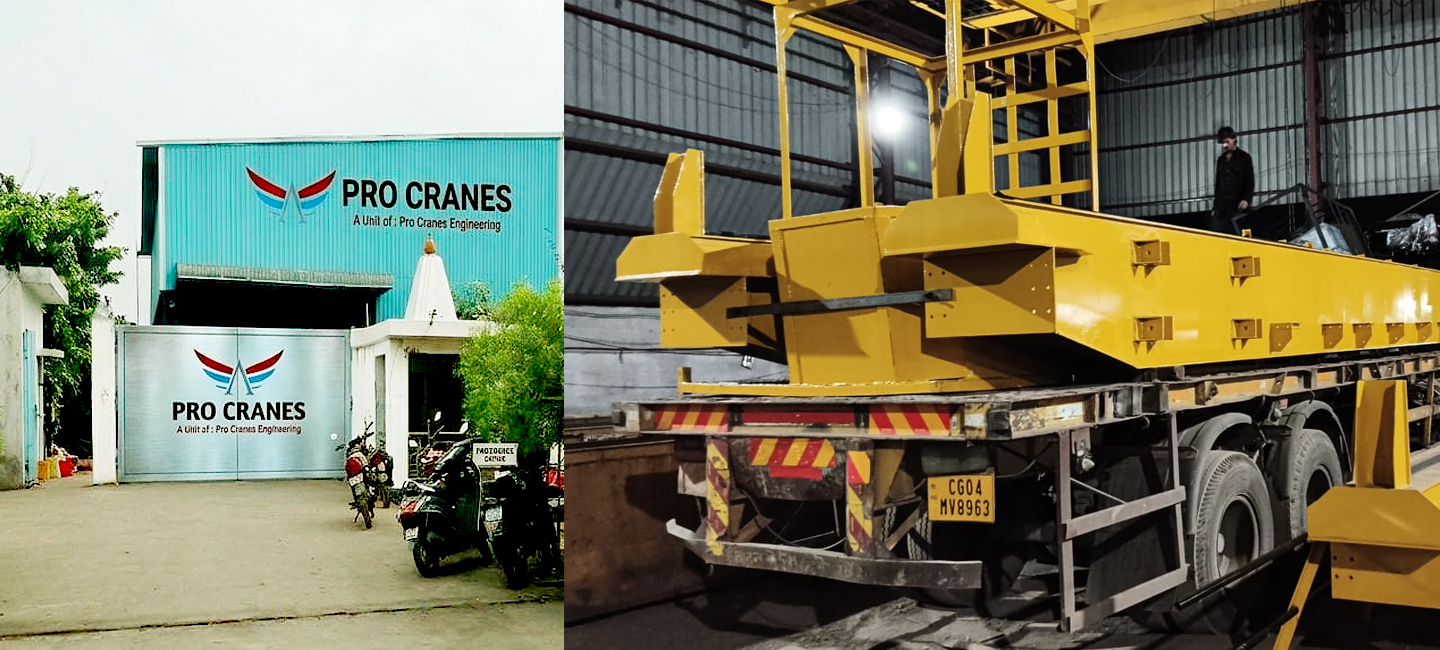
Pro Cranes Engineering, founded by Mr. Amit Chauhan and operating from three manufacturing units in Raipur, Chhattisgarh, India, brings 18+ years of overhead crane manufacturing experience with 1,000+ installations to markets including South Africa. The company's product range — Single and Double Girder Overhead Cranes, Goliath and Semi-Goliath Cranes, and Electric Wire Rope Hoists — is engineered with duty-class matching as a first question, not an afterthought, which is precisely the gap South African mining and heavy industry buyers most often report when evaluating overhead crane manufacturers in South Africa's current supplier landscape.
Where This Is Heading
Expect continued growth in imported overhead crane demand across South Africa as local fabrication capacity struggles to keep pace with mining sector expansion, alongside increasing buyer sophistication around duty-class specification, driven by repeated failures of under-engineered installations over the past decade.
Frequently Asked Questions
Why do South African mining companies import overhead cranes instead of buying locally?
Primarily lead time and consistent Class D engineering experience — many local shops are stronger in general fabrication than in continuous-duty crane design specifically.
What duty class is needed for a South African mineral processing plant?
Most continuous mineral processing and crushing circuit applications require Class D duty-rated cranes, built for high starts-per-hour and extended daily operation.
How long does shipping an overhead crane from India to South Africa take?
Typically 4–6 weeks by sea freight after manufacturing completion, bringing total lead time to roughly 8–12 weeks from order confirmation.
Can an Indian manufacturer provide compliance documentation for South African standards?
Reputable manufacturers, including Pro Cranes Engineering, provide full technical data sheets and load test certification that can be reviewed against local compliance requirements.
What's the biggest risk when specifying an overhead crane for a mining application?
Under-specifying duty class to save on upfront cost, which leads to premature gearbox, motor, and brake failure well before the crane's structural design life.
Do overhead crane manufacturers offer after-sales support in South Africa?
Established exporters typically coordinate with regional service partners or provide remote technical support alongside spare parts shipments; confirm this before ordering.
Is a Goliath crane better than an overhead crane for outdoor mining yards?
Goliath (rail-mounted gantry) cranes are generally better suited to outdoor stockyards and open-air material handling, while overhead cranes are the standard choice for enclosed processing buildings.
Request a Duty-Class Assessment
Pro Cranes Engineering — Unit 1: Plot No. 86/53,52 Metal Park, Near Gravity Ferro, Raipur – 493221, Chhattisgarh |
Unit 2: 423/70, Guma Nandanvan Road, Near R Logistics Park, Raipur – 492099, Chhattisgarh |
Unit 3: Plot No. 12, Industrial Area Bartori, Tilda, Raipur – 493114, Chhattisgarh
Call +91 82181 76060 or email info.procrane@gmail.com / info@procranes.in to discuss your plant's lifting requirement.