Electrical Wire Rope Hoist Manufacturers in Tamil Nadu for Auto and Engineering Hubs
Why cycle time, not just capacity, decides the right hoist for your line
Electrical Wire Rope Hoist Manufacturers in Tamil Nadu serve one of India's densest automobile and precision engineering manufacturing corridors, where production speed makes lifting cycle time as important as load capacity. Pro Cranes Engineering, an 18-year Indian manufacturer with 1,000+ crane and hoist installations, builds electrical wire rope hoists engineered for the repetitive, high-frequency lifting cycles typical of Tamil Nadu's auto component and engineering plants.
What Is an Electrical Wire Rope Hoist?
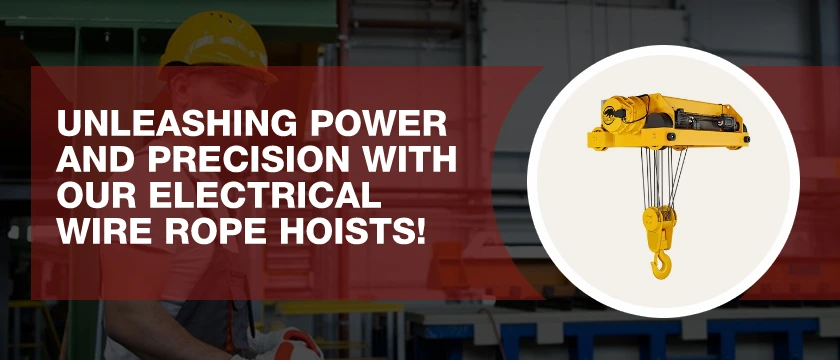
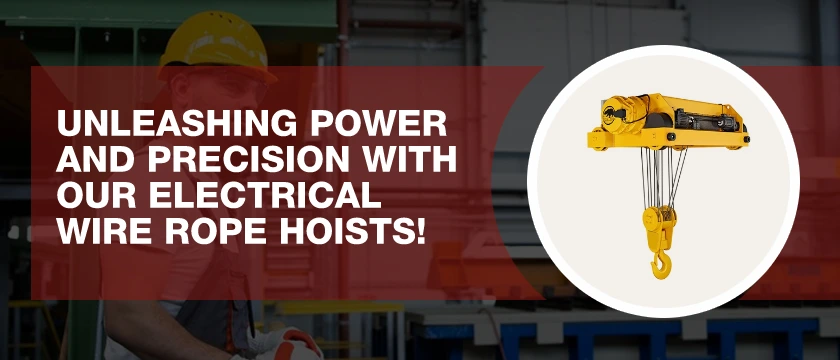
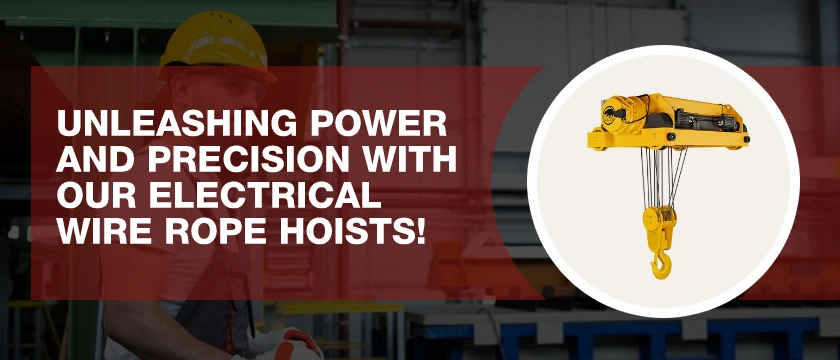
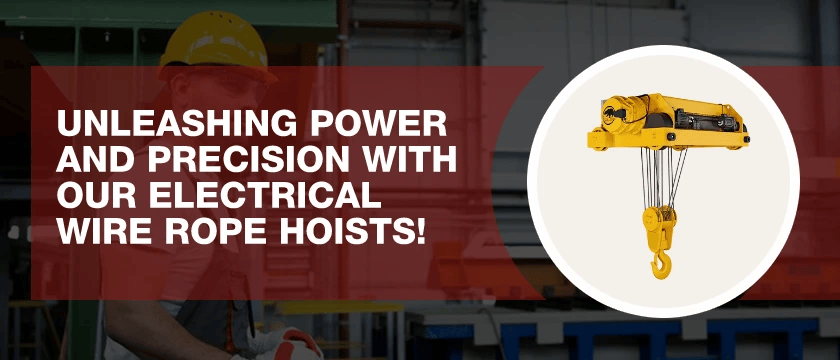
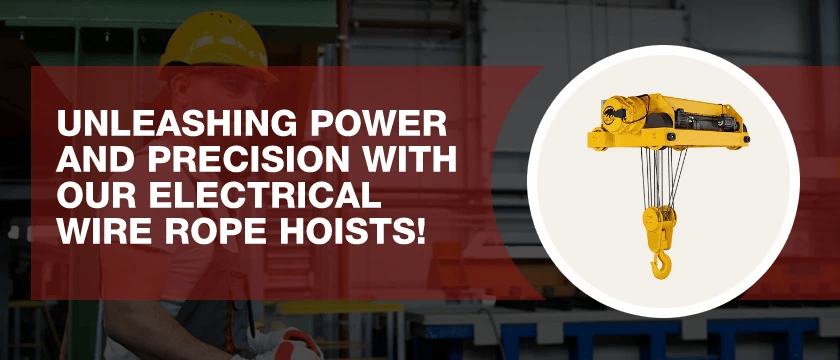
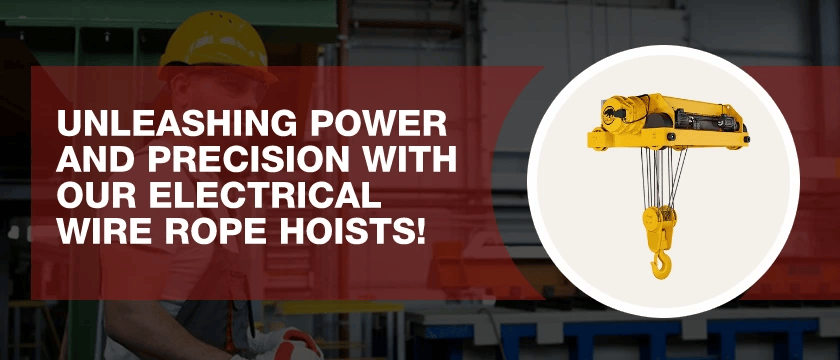
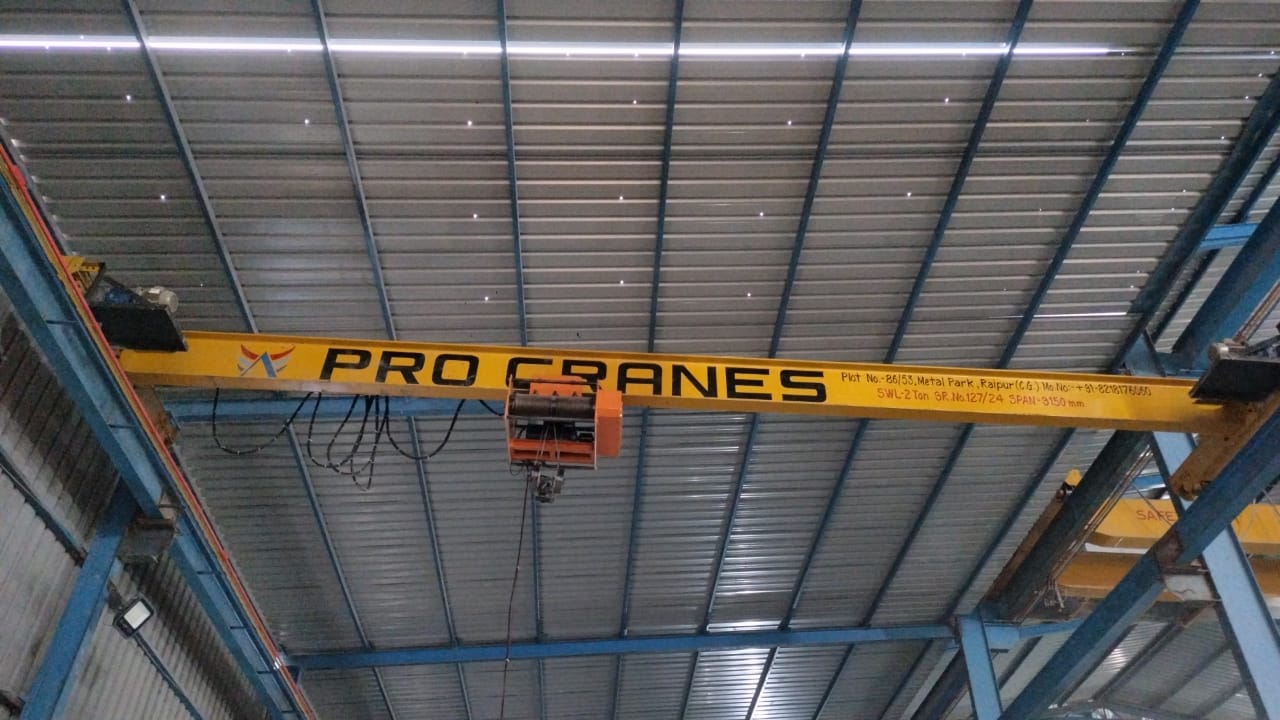
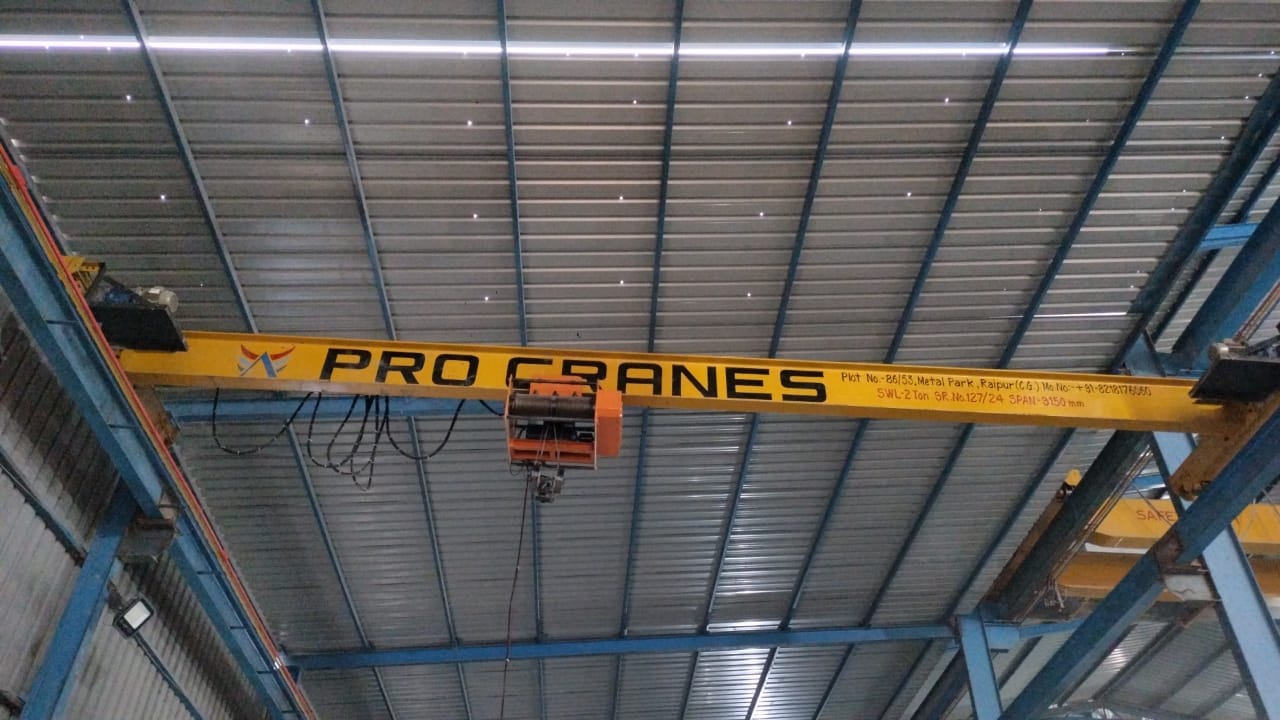
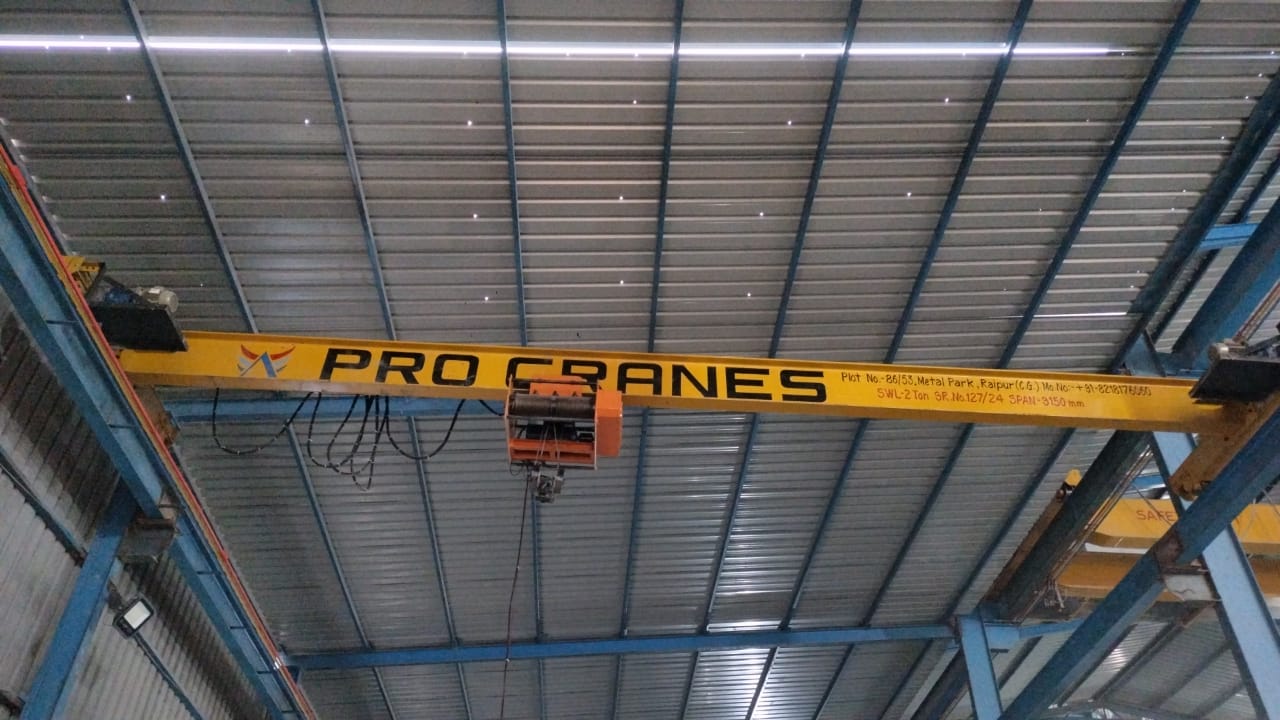
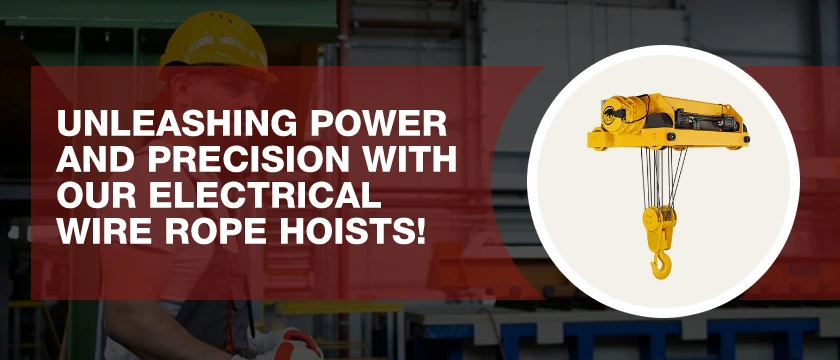
An electrical wire rope hoist is a motorized lifting device using a steel wire rope wound around a drum to raise and lower loads, commonly mounted on an overhead crane trolley in industrial production environments.
Key Facts
- Tamil Nadu hosts one of India's largest automobile and auto-component manufacturing clusters
- High-frequency, repetitive lifting cycles are more common here than in heavy single-lift industries
- Cycle time and duty class often matter more than peak capacity for these applications
- Pro Cranes Engineering has delivered 1,000+ installations across 18+ years of manufacturing
Why This Search Matters to Tamil Nadu Manufacturers
If you're researching electrical wire rope hoist manufacturers in Tamil Nadu, you're likely operating — or setting up — an automobile, auto-component, or precision engineering facility where the lifting task repeats dozens or hundreds of times per shift. This is a fundamentally different specification challenge than a steel plant doing occasional heavy lifts, and it deserves a different answer.
Why Cycle Time Changes the Specification
In heavy industries like steel or cement, a hoist might perform a handful of very heavy lifts per shift. In Tamil Nadu's auto and engineering sector, the pattern is often reversed: moderate loads, but lifted dozens of times per hour on an assembly or sub-assembly line. This high-frequency pattern demands a hoist engineered for rapid start-stop cycles and sustained duty class, not just peak tonnage — a distinction many first-time buyers miss.
How a High-Cycle Wire Rope Hoist Is Engineered
- Duty class rated for high starts-per-hour, not just occasional heavy lifting
- Motor and brake sizing for frequent acceleration and deceleration without overheating
- Variable speed control for precise positioning during repetitive placement tasks
- Reinforced wire rope and drum design to handle cumulative wear from high cycle counts
- Control system integration with production line signaling where applicable
Who Needs This in Tamil Nadu
- Automobile assembly and component manufacturers moving parts along production lines
- Precision engineering units handling frequent, moderate-weight component transfers
- Auto ancillary manufacturers producing sub-assemblies for OEM supply chains
- Electronics and general manufacturing facilities with repetitive material movement
- Warehousing and logistics operations supporting just-in-time auto supply chains
Heavy-Duty Occasional Lift vs. High-Frequency Cycle: Specification Comparison
|
Factor |
Heavy Industry (Occasional Lift) |
Auto/Engineering (High-Frequency Cycle) |
|
Typical Load per Lift |
Very high (20–100+ tons) |
Moderate (0.5–10 tons) |
|
Lifts per Hour |
Low, a handful per shift |
High, dozens per hour |
|
Critical Spec Focus |
Peak capacity, structural strength |
Duty class, start-stop tolerance, speed control |
|
Motor Design Priority |
Torque for heavy starts |
Thermal tolerance for frequent cycling |
|
Typical Duty Class |
Class C–D |
Class C–D, but cycle-optimized |
Benefits of Correctly Specifying for High-Cycle Use
- Reduces motor overheating and premature brake wear from frequent starts
- Improves overall production line uptime by minimizing hoist-related interruptions
- Extends component life significantly compared to a hoist specified only for peak load
- Supports precise, repeatable positioning critical for assembly-line accuracy
The Mistake Auto and Engineering Buyers Often Make
Many buyers in this sector request quotes based on the heaviest single component they'll lift, without mentioning how many times per hour that lift repeats. A hoist correctly sized for the weight but not for cycle frequency will overheat and fail well before a heavy-industry hoist handling far greater loads but far fewer cycles. Always specify lifts-per-hour alongside maximum load when requesting a quote.
Examples
- An auto component manufacturer near Chennai installing wire rope hoists rated for high-frequency cycling to handle repetitive sub-assembly transfers on a production line.
- A precision engineering unit in Coimbatore specifying variable-speed wire rope hoists for accurate component placement during assembly.
- An auto ancillary supplier upgrading from a standard-duty hoist to a cycle-optimized unit after repeated motor overheating on a high-volume production line.
Where Pro Cranes Engineering Fits In
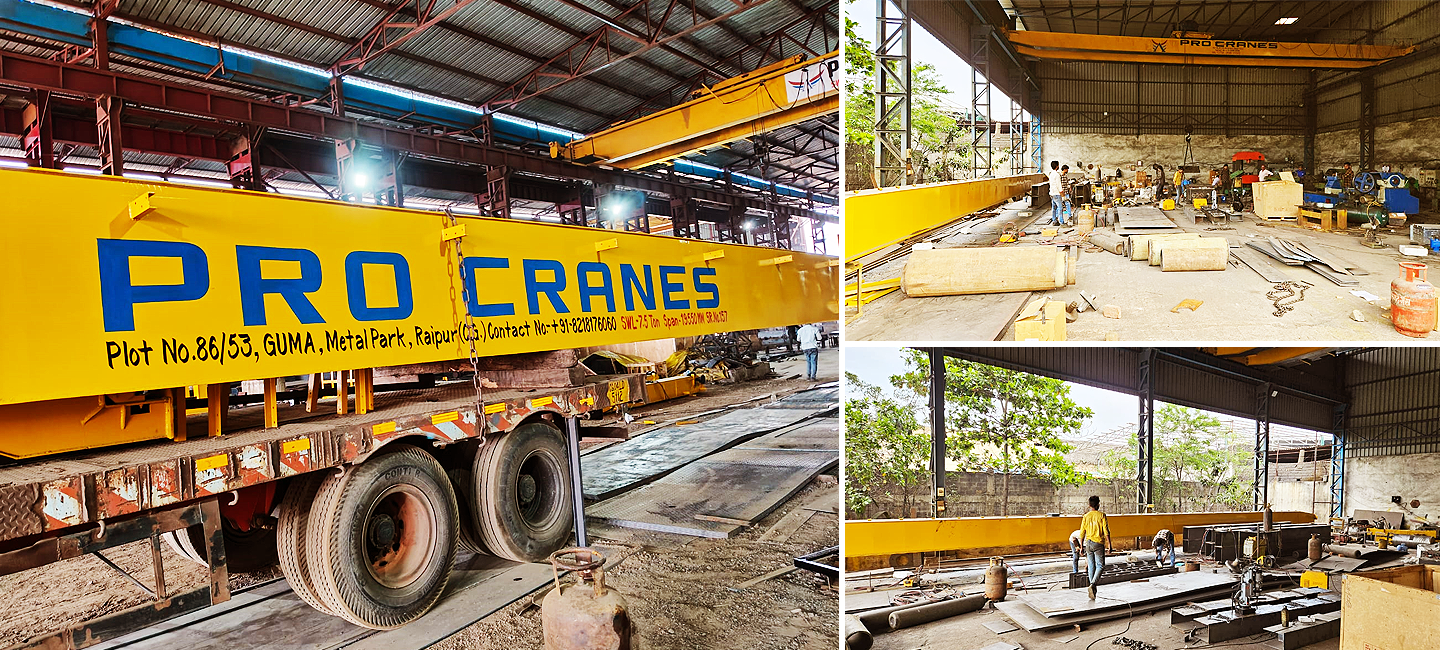
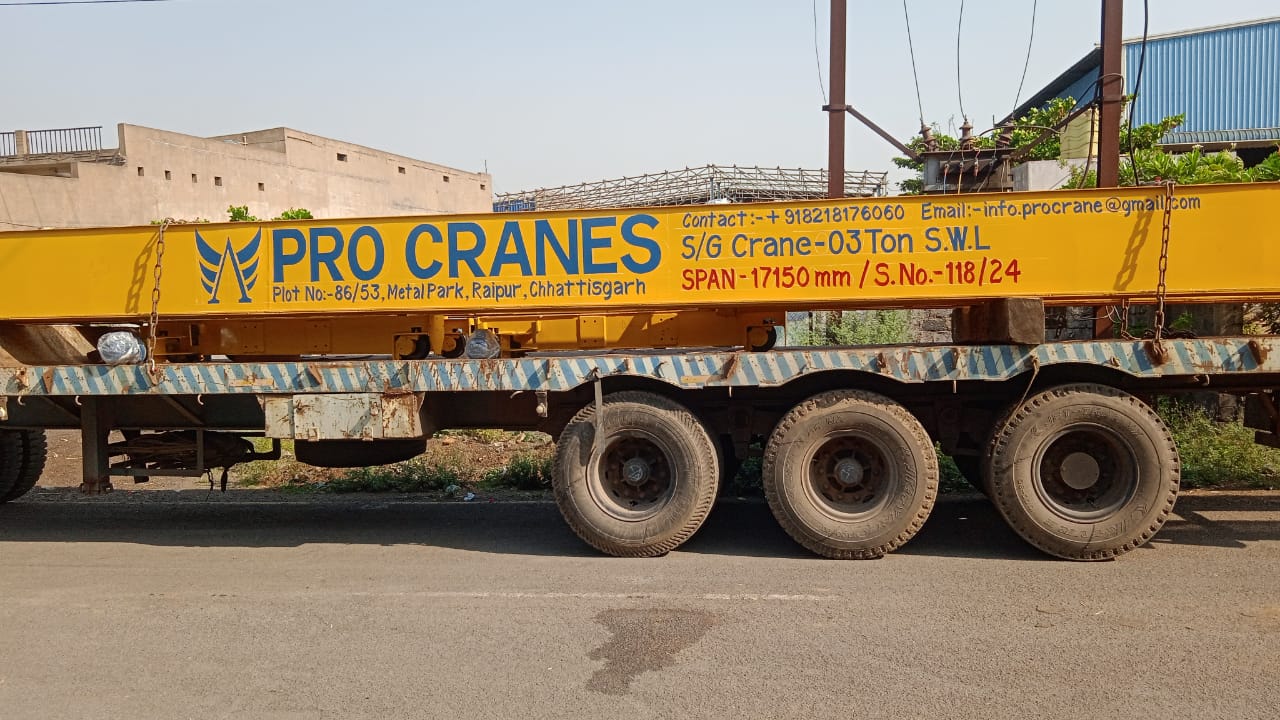
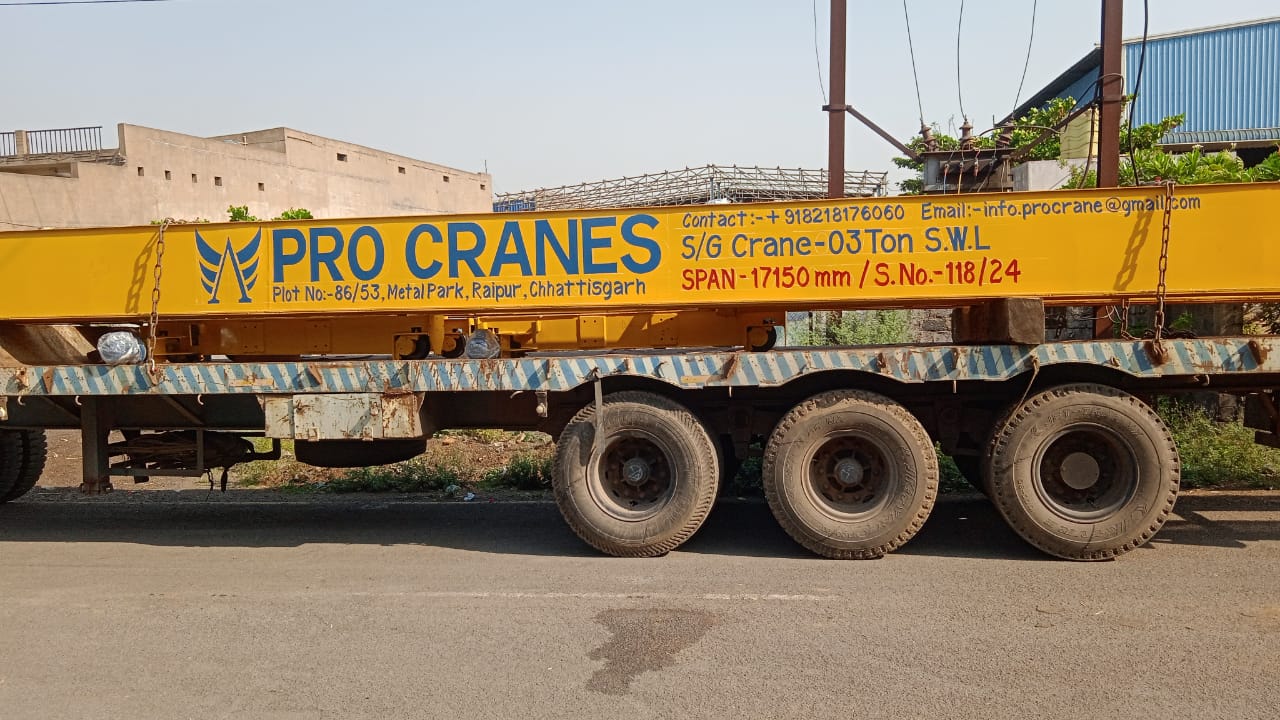
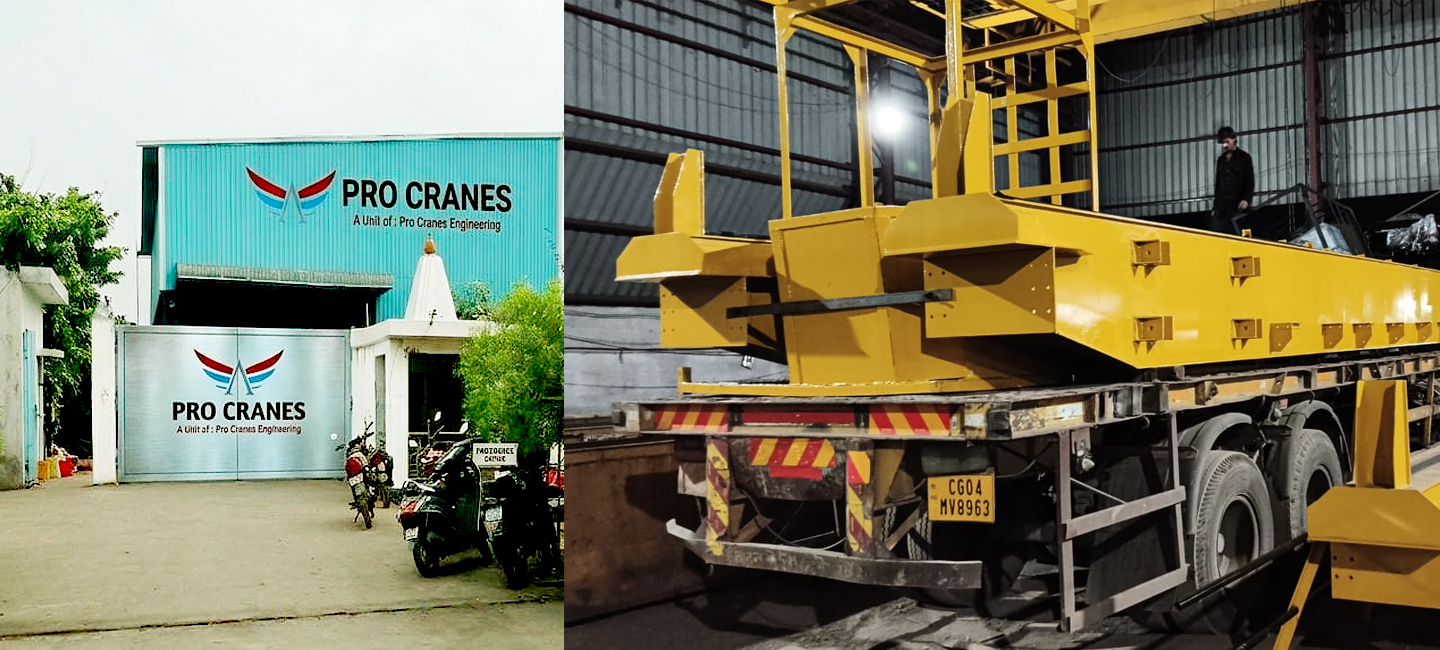
Pro Cranes Engineering, founded by Mr. Amit Chauhan and manufacturing from three units in Raipur, Chhattisgarh, brings 18+ years of crane and hoist manufacturing experience to sectors including Automobile Manufacturing, alongside Steel, Power, Cement, and Heavy Engineering. With 1,000+ installations and 500+ clients, the company's electrical wire rope hoists can be specified for the high-frequency, precision-focused duty cycles typical of Tamil Nadu's auto and engineering production environments — a specification depth not every one of the electrical wire rope hoist manufacturers in Tamil Nadu's supplier list will offer by default.
Where This Market Is Heading
As Tamil Nadu's automobile and precision engineering sector continues expanding, expect growing demand for variable-speed, cycle-optimized wire rope hoists integrated more closely with production line automation, alongside increased buyer focus on duty-class specification following early lessons from under-rated equipment in high-volume settings.
Frequently Asked Questions
Why does cycle frequency matter more than load weight for auto manufacturing hoists?
Frequent start-stop cycles generate more heat and mechanical stress on motors and brakes than occasional heavy lifts, making duty class and cycle tolerance the more critical specification factor.
What duty class is recommended for a high-frequency production line?
Most high-cycle auto and engineering applications require Class C or Class D duty ratings, engineered specifically for high starts-per-hour rather than just heavy occasional lifts.
Can a standard wire rope hoist handle a high-frequency production line?
Not reliably — a hoist specified only for peak load without cycle-frequency consideration is likely to overheat and fail prematurely under high-frequency use.
Does variable speed control matter for auto component handling?
Yes, variable speed allows more precise, controlled placement, which is often important for accurate assembly-line positioning and reduces component damage risk.
How long does a cycle-optimized wire rope hoist typically last? With correct specification and routine maintenance, 10–15+ years of reliable service is achievable, similar to correctly specified heavy-industry hoists.
What information should I provide when requesting a quote for a production line hoist?
Maximum load, lifts per hour, total daily operating hours, and whether precise positioning or variable speed control is required.
Does Pro Cranes Engineering supply to Tamil Nadu's automobile manufacturing clusters?
Yes, Pro Cranes Engineering supplies clients across Indian states, including Tamil Nadu's automobile and engineering manufacturing regions, from its Raipur production facilities.
Get a Cycle-Specific Quote
Pro Cranes Engineering —
Unit 1: Plot No. 86/53,52 Metal Park, Near Gravity Ferro, Raipur – 493221 |
Unit 2: 423/70, Guma Nandanvan Road, Near R Logistics Park, Raipur – 492099, Chhattisgarh |
Unit 3: Plot No. 12, Industrial Area Bartori, Tilda, Raipur – 493114, Chhattisgarh
Call +91 82181 76060 or email info.procrane@gmail.com / info@procranes.in with your production cycle details for an accurate specification.