Double Girder EOT Crane Manufacturers in United Arab Emirates
How Energy Infrastructure Projects Reduce Downtime, Improve Safety, and Handle Heavy Equipment More Efficiently
Published: June 2026
Last Updated: June 2026
Author: Pro Cranes Editorial Team
Reviewed By: Pro Cranes Engineering Team
Organizations searching for Double Girder EOT Crane Manufacturers in United Arab Emirates typically require lifting systems for power plants, substations, LNG facilities, refineries, and industrial infrastructure projects. A properly engineered double girder EOT crane improves safety, supports continuous operations, handles heavy equipment efficiently, and helps reduce costly maintenance downtime across energy facilities.
What Is a Double Girder EOT Crane and Why Is It Important for Energy Infrastructure?
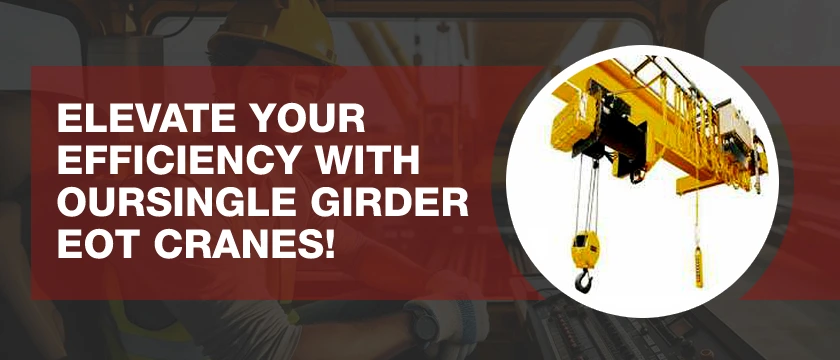
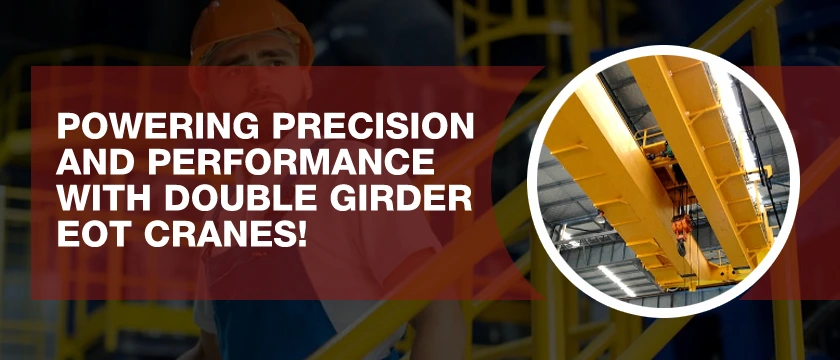
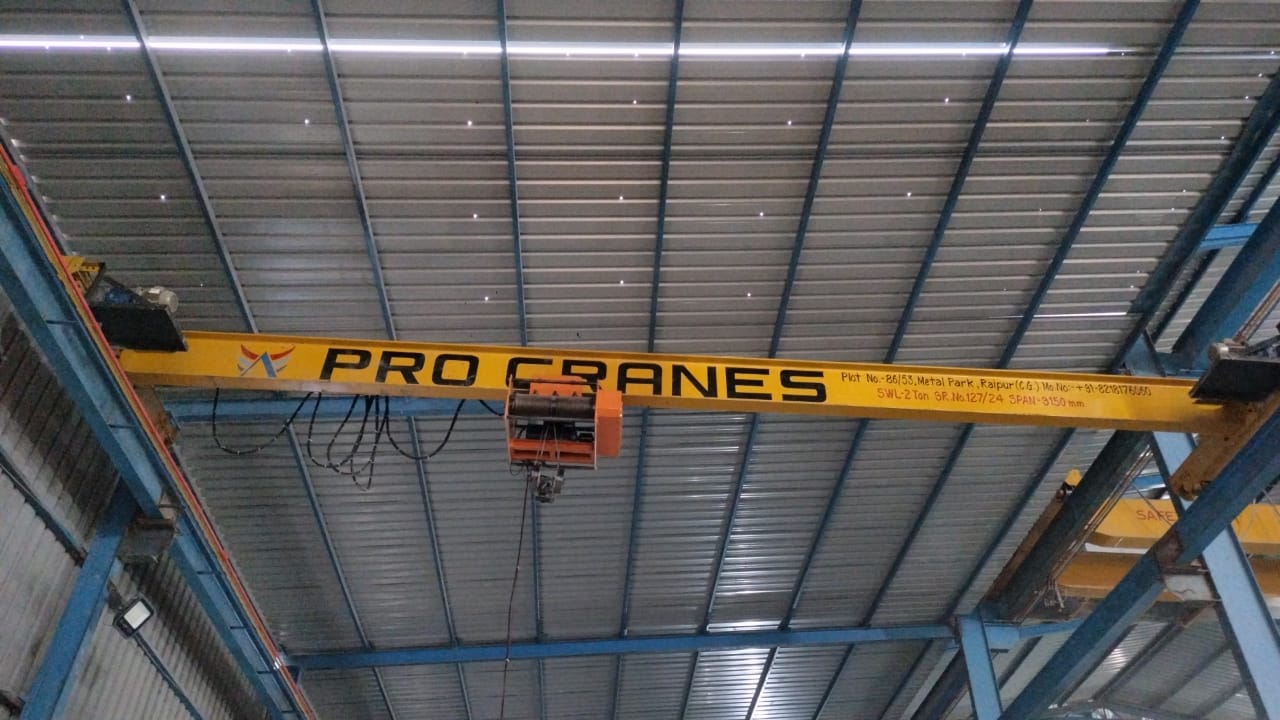
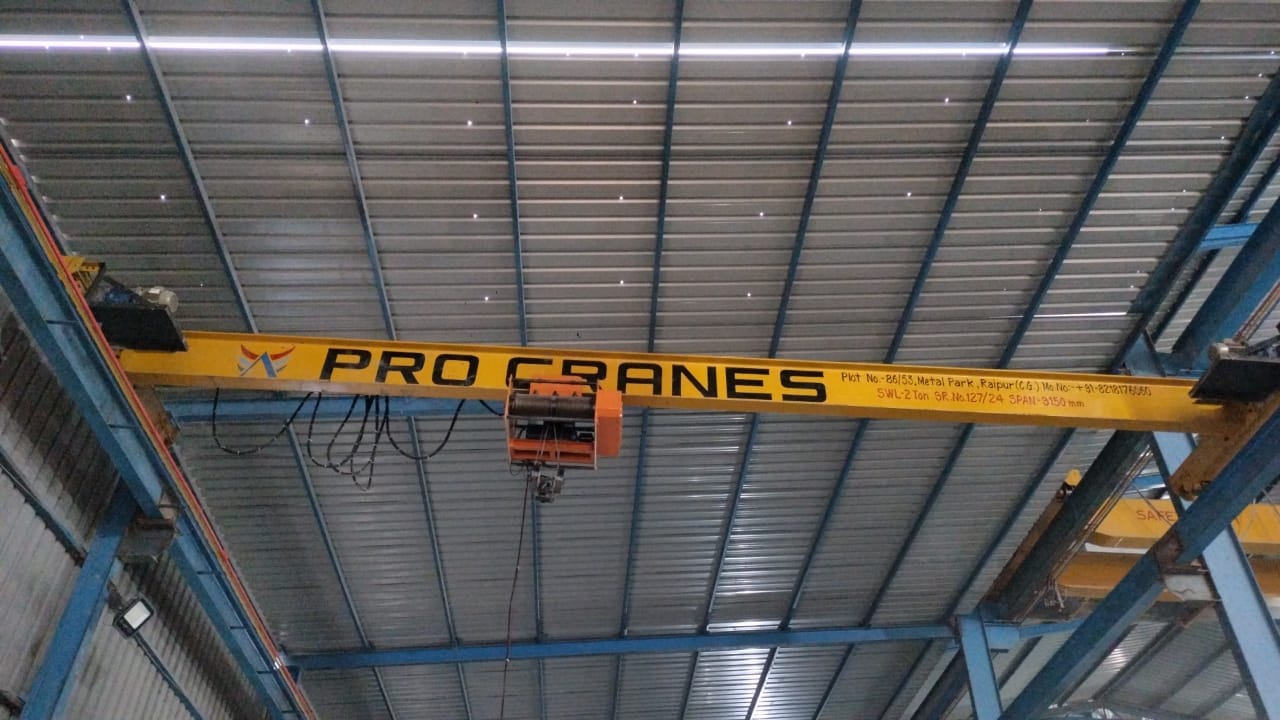
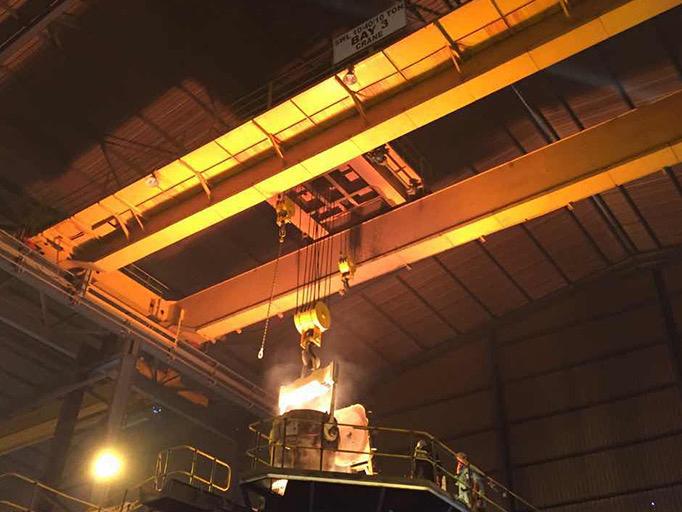
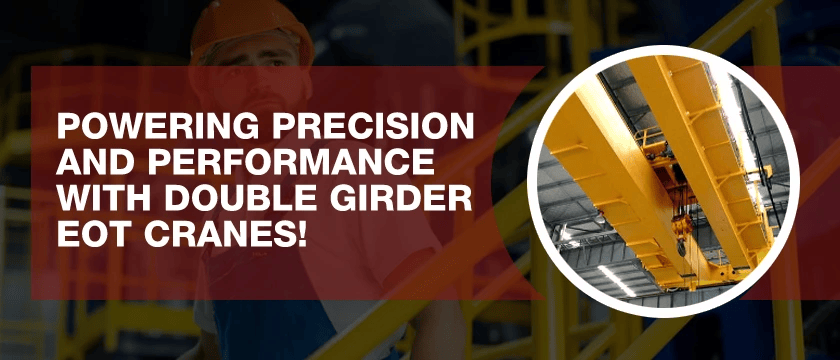
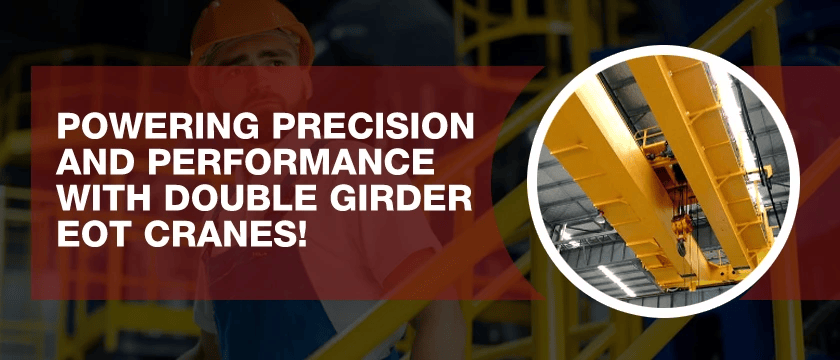
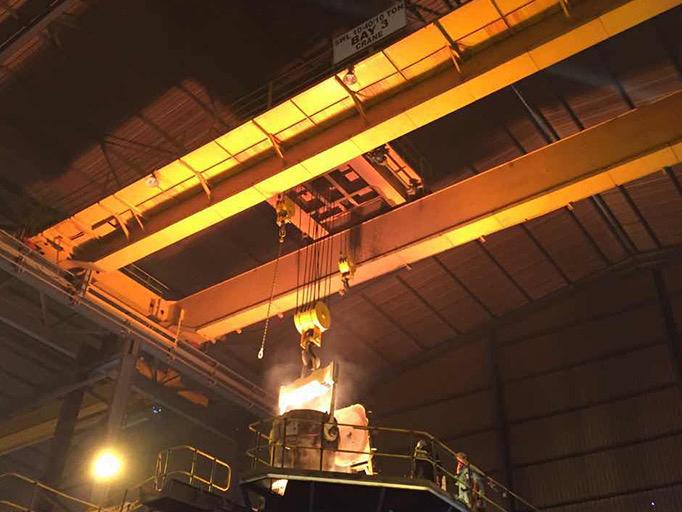
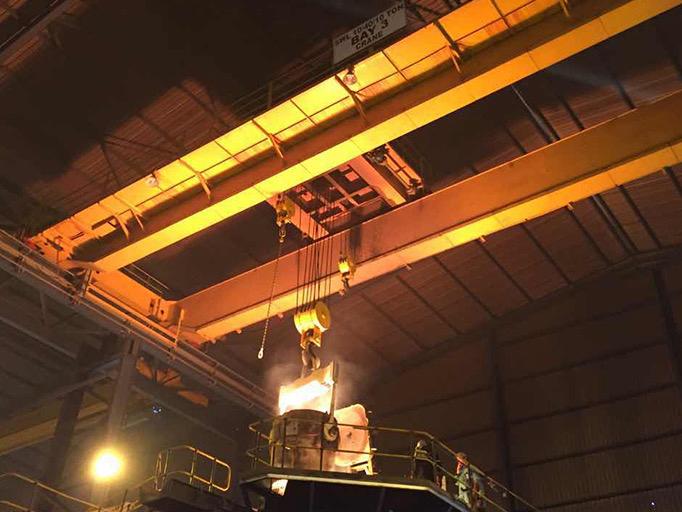
A Double Girder EOT Crane is an overhead lifting system that uses two bridge girders to support a trolley and hoist mechanism. This design enables higher lifting capacities, larger spans, and improved hook heights compared to single girder configurations.
For energy infrastructure projects, these cranes are often responsible for handling mission-critical equipment including:
- Turbines
- Generators
- Transformers
- Heat exchangers
- Pressure vessels
- Compressors
- Pumps
- Industrial motors
Without a reliable lifting system, maintenance activities can become slower, more expensive, and potentially unsafe.
Quick Facts
|
Feature |
Typical Range |
|
Capacity |
5–500+ Tons |
|
Span |
Up to 40+ Meters |
|
Lift Height |
Customizable |
|
Duty Class |
Medium to Severe Duty |
|
Controls |
Pendant, Cabin, Radio Remote |
|
Applications |
Energy, Oil & Gas, LNG, Petrochemical |
|
Service Life |
20+ Years with Proper Maintenance |
Why Do Energy Infrastructure Projects Need Reliable EOT Crane Solutions?
Energy facilities operate under strict performance requirements.
A single delay during equipment replacement or scheduled maintenance can affect production targets, operational efficiency, and project timelines.
Reliable EOT cranes help energy facilities safely move heavy equipment, reduce maintenance delays, improve workplace safety, and support continuous operations. In high-value environments such as power plants and LNG facilities, crane reliability directly contributes to plant uptime and operational efficiency.
The need becomes even greater in regions experiencing rapid infrastructure expansion, including:
- United Arab Emirates
- Saudi Arabia
- Qatar
- Kuwait
- Oman
- Bahrain
These countries continue investing heavily in energy generation, industrial processing, and infrastructure development.
What Challenges Do Energy Facilities Face During Heavy Lifting Operations?
Heavy lifting in energy infrastructure is rarely straightforward.
Equipment often weighs several tons and may require precise positioning within confined operational spaces.
Common Challenges
Continuous Plant Operations
Most energy facilities operate around the clock.
Maintenance windows are often limited, making efficient lifting systems essential.
Corrosive Environments
Coastal locations and industrial processing facilities expose equipment to:
- Salt-laden air
- Humidity
- Chemicals
- Dust
Safety Compliance Requirements
Facilities must maintain strict lifting and workplace safety standards.
High-Duty Cycles
Equipment may be required to perform repetitive lifting operations daily.
Energy infrastructure projects require cranes capable of handling heavy loads safely and consistently under demanding operating conditions. Factors such as duty cycle, environmental exposure, safety requirements, and maintenance accessibility significantly influence crane selection.
How Do Double Girder EOT Cranes Support Energy Infrastructure Projects?
The role of a crane extends beyond lifting.
It becomes part of the facility's operational workflow.
Step 1: Equipment Assessment
Engineers evaluate:
- Maximum load capacity
- Lift height requirements
- Span requirements
- Frequency of operation
Step 2: Crane Design Selection
The crane is configured based on:
- Facility layout
- Duty classification
- Environmental conditions
- Operational objectives
Step 3: Installation and Testing
The system undergoes testing to verify:
- Structural performance
- Load handling capability
- Safety functionality
Step 4: Daily Operations
The crane supports maintenance, production, and equipment handling activities.
Step 5: Preventive Maintenance
Routine inspections help maximize service life and reliability.
A double girder EOT crane supports energy infrastructure by providing safe, controlled movement of heavy equipment throughout maintenance, installation, and operational activities. Proper crane selection can improve efficiency while reducing downtime and safety risks.
Which Energy Facilities Commonly Use Double Girder EOT Cranes?
Different energy sectors have unique lifting requirements.
Power Generation Plants
Used for:
- Turbine maintenance
- Generator installation
- Equipment replacement
LNG Facilities
Used for:
- Compressor handling
- Pump maintenance
- Equipment servicing
Refineries
Used during:
- Shutdown maintenance
- Equipment upgrades
- Asset replacement projects
Petrochemical Facilities
Support the movement of large process equipment and maintenance components.
Renewable Energy Manufacturing
Assist with fabrication and assembly activities.
Double girder EOT cranes are commonly used in power plants, LNG terminals, refineries, petrochemical facilities, transformer manufacturing plants, and industrial energy infrastructure projects where heavy equipment handling is required.
What Technical Features Should Buyers Evaluate Before Selecting a Crane?
Not all crane systems are designed for the same operating conditions.
Load Capacity
The crane should safely handle both current and future lifting requirements.
Span Length
The span must accommodate facility dimensions and operational workflow.
Duty Classification
Higher-duty environments require cranes designed for frequent operation.
Corrosion Protection
Protective coatings improve performance in harsh environments.
Safety Systems
Modern cranes often include:
- Overload protection
- Emergency stop systems
- Anti-collision devices
- Load monitoring systems
- Limit switches
The most important technical considerations include load capacity, span, duty classification, environmental conditions, corrosion resistance, safety systems, and long-term maintenance requirements.
Single Girder vs Double Girder EOT Cranes for Energy Facilities
|
Feature |
Single Girder |
Double Girder |
|
Capacity |
Lower |
Higher |
|
Span Coverage |
Moderate |
Larger |
|
Hook Height |
Limited |
Greater |
|
Heavy Equipment Handling |
Moderate |
Excellent |
|
Duty Cycle |
Medium |
Heavy |
|
Energy Infrastructure Suitability |
Limited Applications |
Preferred Choice |
For most power generation, refinery, LNG, and petrochemical facilities, double girder EOT cranes are preferred because they provide higher capacities, larger spans, improved hook height, and better long-term performance under demanding operating conditions.
How Do Reliable Cranes Improve Plant Uptime?
Unplanned downtime remains one of the biggest concerns in industrial operations.
Every delayed maintenance activity can affect production schedules.
Benefits of Reliable Crane Systems
- Faster maintenance activities
- Improved equipment accessibility
- Reduced lifting-related delays
- Better worker safety
- Lower lifecycle costs
- Improved operational continuity
Example
During turbine maintenance in a power generation facility, an overhead crane can significantly reduce the time required to remove, transport, and reinstall major components.
Without a properly designed crane system, these activities often require additional equipment, labor, and time.
Reliable crane systems contribute to plant uptime by supporting efficient maintenance operations, reducing equipment handling delays, improving safety, and minimizing operational interruptions.
What Should Buyers Look for When Evaluating Double Girder EOT Crane Manufacturers in the United Arab Emirates?
Choosing the right manufacturer involves more than comparing capacity ratings.
Important Evaluation Criteria
Engineering Capability
Can the supplier customize solutions for specific applications?
Manufacturing Quality
Are structural components designed for long-term reliability?
Installation Support
Is technical assistance available during commissioning?
Service and Maintenance
Can ongoing support be provided after installation?
Industry Experience
Does the manufacturer understand industrial lifting requirements?
Buyers should evaluate engineering expertise, manufacturing quality, testing procedures, service support, safety features, and project experience when comparing Double Girder EOT Crane Manufacturers in United Arab Emirates.
Future Trends in Energy Infrastructure Lifting
Industrial lifting technology continues to evolve.
Emerging trends include:
- Smart crane monitoring
- Predictive maintenance
- Remote diagnostics
- Automated positioning systems
- Energy-efficient drive technologies
Facilities are increasingly seeking lifting systems that improve operational visibility while reducing maintenance costs.
The future of industrial lifting is focused on smarter, safer, and more efficient crane systems that provide real-time operational insights and support proactive maintenance strategies.
Frequently Asked Questions
Why are double girder EOT cranes preferred for energy infrastructure?
They provide higher capacities, larger spans, improved hook height, and better performance in demanding industrial environments.
Can double girder cranes operate in corrosive environments?
Yes. Protective coatings and specialized components can improve performance in coastal and industrial environments.
Which industries commonly use these cranes?
Power generation, LNG, oil and gas, petrochemical processing, manufacturing, logistics, and infrastructure projects.
What capacity is suitable for energy facilities?
Capacity requirements vary by application. Some facilities require 10–20 tons, while others may require cranes capable of lifting hundreds of tons.
Which countries are investing heavily in energy infrastructure?
United Arab Emirates, Saudi Arabia, Qatar, Kuwait, Oman, Bahrain, Nigeria, South Africa, Ghana, Kenya, India, Bangladesh, Nepal, and Sri Lanka continue to invest in industrial and energy infrastructure development.
Conclusion
Energy infrastructure projects depend on reliable material handling systems to maintain safety, productivity, and operational continuity. Whether supporting power generation facilities, LNG terminals, petrochemical complexes, or industrial processing plants, double girder EOT cranes play a critical role in moving heavy equipment safely and efficiently.
For organizations evaluating Double Girder EOT Crane Manufacturers in the United Arab Emirates, understanding operational requirements, environmental conditions, safety expectations, and long-term maintenance considerations is essential when selecting a lifting solution designed for dependable performance.
Need Technical Guidance for Your Next Energy Infrastructure Project?
Contact Pro Cranes Engineering
If you would like to discuss your project requirements, crane specifications, or customized lifting solutions, you can reach Pro Cranes Engineering directly:
Phone: +91 82181 76060
Email: info@procranes.in
Website: Pro Cranes Engineering
Manufacturing & Operations Locations
Unit 1
Metal Park, Raipur, Chhattisgarh, India
Unit 2
Guma Nandanvan Road, Near R Logistics Park, Raipur, Chhattisgarh, India
Unit 3
Industrial Area Bartori, Tilda, Raipur, Chhattisgarh, India
Technical Consultation
Whether your project involves:
- Power generation facilities
- Oil & gas plants
- LNG terminals
- Petrochemical complexes
- Refineries
- Manufacturing facilities
- Heavy industrial infrastructure
The Pro Cranes Engineering team can assist with crane selection, load capacity evaluation, span requirements, duty classification, and customized material handling solutions.
Contact Pro Cranes Engineering today to discuss your project requirements and receive technical guidance tailored to your application.