Double Girder EOT Crane Manufacturers in India for Heavy Duty Industrial Lifting
A capacity-and-span guide for plants outgrowing their current crane
Double Girder EOT Crane Manufacturers in India build cranes for loads and spans that single girder systems cannot safely or efficiently handle — generally above 15–20 tons or spans beyond typical workshop scale. Pro Cranes Engineering, with 18+ years of manufacturing experience and 1,000+ installations across steel, cement, and heavy engineering plants, designs double girder EOT cranes with capacities extending well into the hundreds of tons, engineered to Class C and Class D duty for continuous industrial operation.
What is a Double Girder EOT Crane?
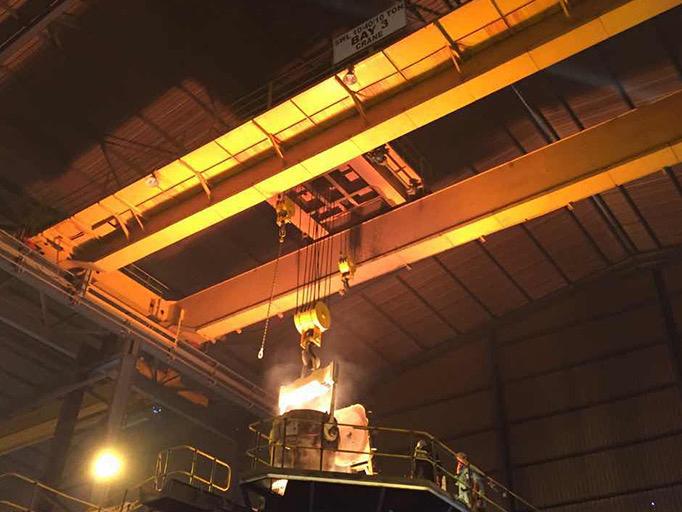
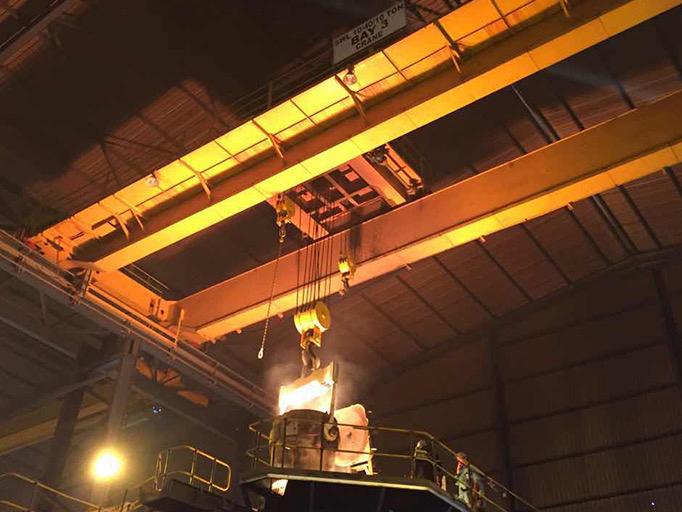
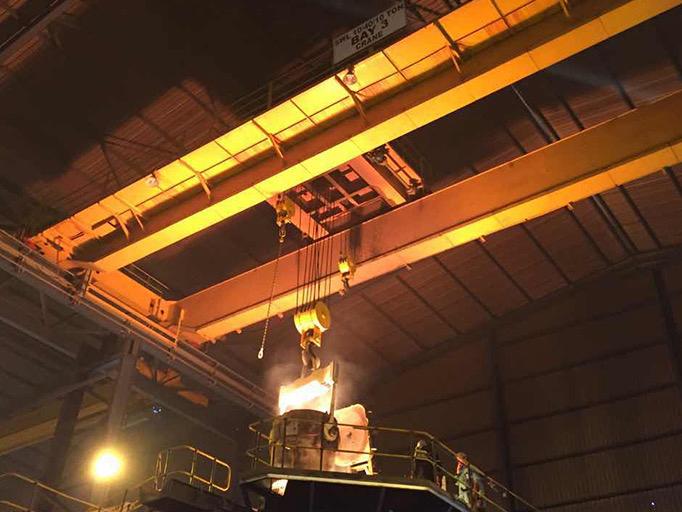
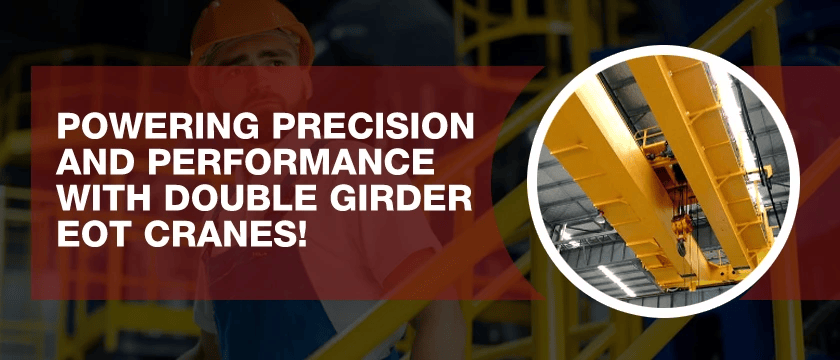
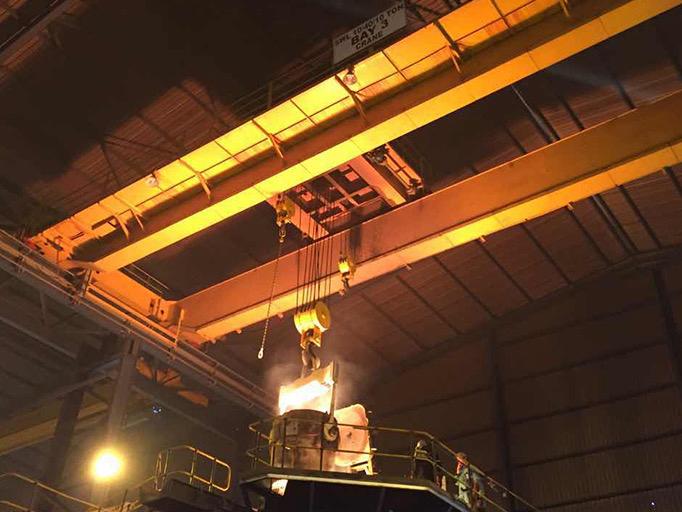
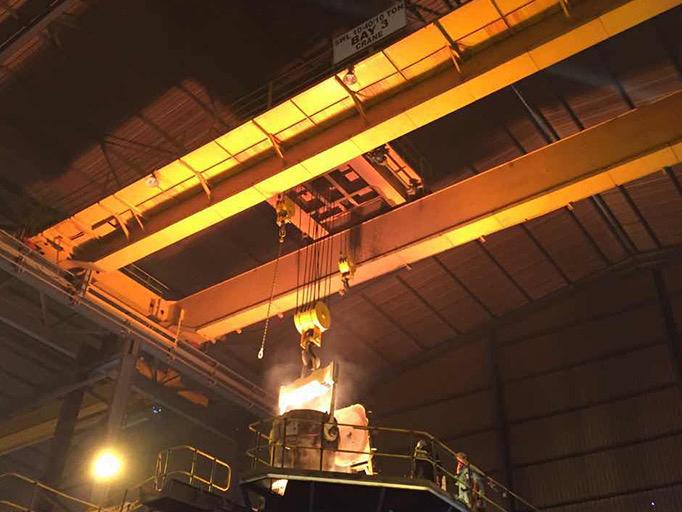
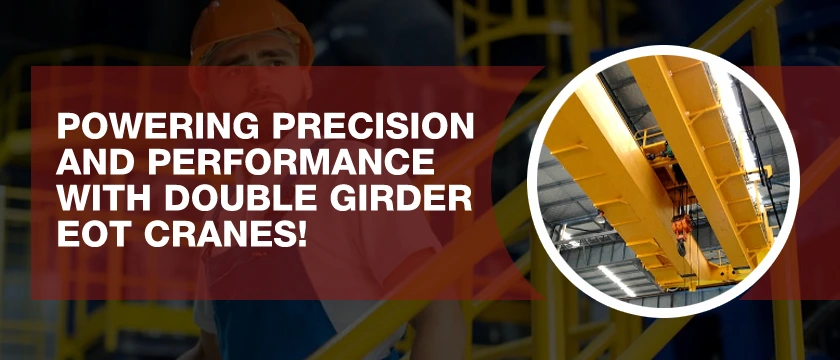
A double girder EOT (Electric Overhead Traveling) crane is a bridge crane with two parallel girders supporting a trolley-mounted hoist that runs on top of the bridge, allowing higher lifting capacity and greater hook height than a single girder design.
Key Facts
- Double girder EOT cranes typically start where single girder capacity ends, around 15–20 tons
- Capacities can extend to 500 tons or more for heavy industrial and shipyard applications
- The hoist trolley runs on top of the girders, not underneath, increasing available hook height
- Pro Cranes Engineering has delivered 1,000+ cranes across 18 years from its Raipur, Chhattisgarh facilities
The Search Behind This Query
If you're researching double girder EOT crane manufacturers in India, you've likely already hit a ceiling with a single girder system — either the load exceeds safe capacity, the span is too long for a single beam to support without excessive deflection, or you need more hook height than an underslung hoist trolley allows. This guide answers the practical question: what changes structurally, and how do you specify it correctly?
Why Plants Upgrade to Double Girder
Single girder cranes place the hoist trolley on the bottom flange of a single beam, which limits both capacity and hook height. Double girder cranes place the trolley on top of two parallel girders, distributing load across a stronger structure and freeing up additional headroom below. For steel plants, cement kilns, and shipyards handling loads beyond 15–20 tons, this structural difference isn't optional — it's the only design that meets both capacity and safety margin requirements.
How a Double Girder EOT Crane Is Built and Commissioned
- Load and span calculation to determine girder cross-section and end truck sizing
- Girder fabrication — box-type or truss-type girders welded and stress-relieved
- Trolley and hoist integration mounted on top of the twin girders
- End truck and wheel assembly sized for the calculated wheel loads
- Electrification — power supply via cable reel, festoon system, or conductor rail
- Load testing at 110–125% of rated capacity before handover, per standard practice
Who Needs a Double Girder EOT Crane
- Steel plants moving billets, coils, and ladle assemblies above 20 tons
- Cement plants lifting kiln sections and heavy raw material handling equipment
- Shipyards and heavy fabrication yards handling large structural sections
- Power plants managing turbine and generator components during major overhauls
- Heavy engineering manufacturers producing large industrial equipment
Single Girder vs. Double Girder EOT Crane: Technical Comparison
|
Parameter |
Single Girder EOT Crane |
Double Girder EOT Crane |
|
Typical Capacity Range |
1–20 tons |
15–500+ tons |
|
Hoist Trolley Position |
Underneath the girder (underslung) |
On top of the girders |
|
Hook Height |
Reduced by trolley clearance below beam |
Maximized, trolley sits above girders |
|
Span Capability |
Shorter spans, up to ~20–25m typical |
Longer spans, 25m and beyond |
|
Structural Cost |
Lower |
Higher, justified by capacity and span |
|
Common Duty Class |
Class A–B |
Class C–D |
|
Typical Users |
Warehouses, light fabrication |
Steel plants, shipyards, cement plants |
Specification Table: Approximate Double Girder Ranges by Application
|
Application |
Typical Capacity |
Typical Span |
Duty Class |
|
Cement Kiln Maintenance |
20–75 tons |
15–25m |
Class C |
|
Steel Billet Handling |
30–150 tons |
20–30m |
Class D |
|
Shipyard Fabrication |
50–500 tons |
25–40m |
Class D |
|
Power Plant Overhaul |
20–100 tons |
15–25m |
Class C |
Benefits of Choosing the Right Double Girder Manufacturer
- Higher usable hook height compared to single girder systems at equivalent building height
- Structural margin that supports higher duty cycles without premature fatigue
- Ability to scale capacity within the same crane family as plant needs grow
- Better long-term ROI for continuous, heavy-tonnage operations despite higher upfront cost
The Most Common Specification Mistake
Buyers frequently size a double girder crane based on the heaviest single lift they can imagine, without accounting for duty cycle — how often that lift repeats per shift. A crane rated for occasional 50-ton lifts will wear out quickly if actually used for repeated 50-ton lifts every hour. Duty class, not just tonnage, should be the second question in every RFQ, right after capacity.
Examples
- A cement manufacturer in central India replacing a failing single girder crane with a 40-ton double girder unit to handle kiln section replacement during planned shutdowns.
- A steel fabrication yard installing a 75-ton double girder crane with extended hook height to accommodate taller structural assemblies than their previous crane allowed.
- A heavy engineering manufacturer scaling from a 15-ton single girder system to a 60-ton double girder crane as production shifted toward larger equipment builds.
Where Pro Cranes Engineering Fits In
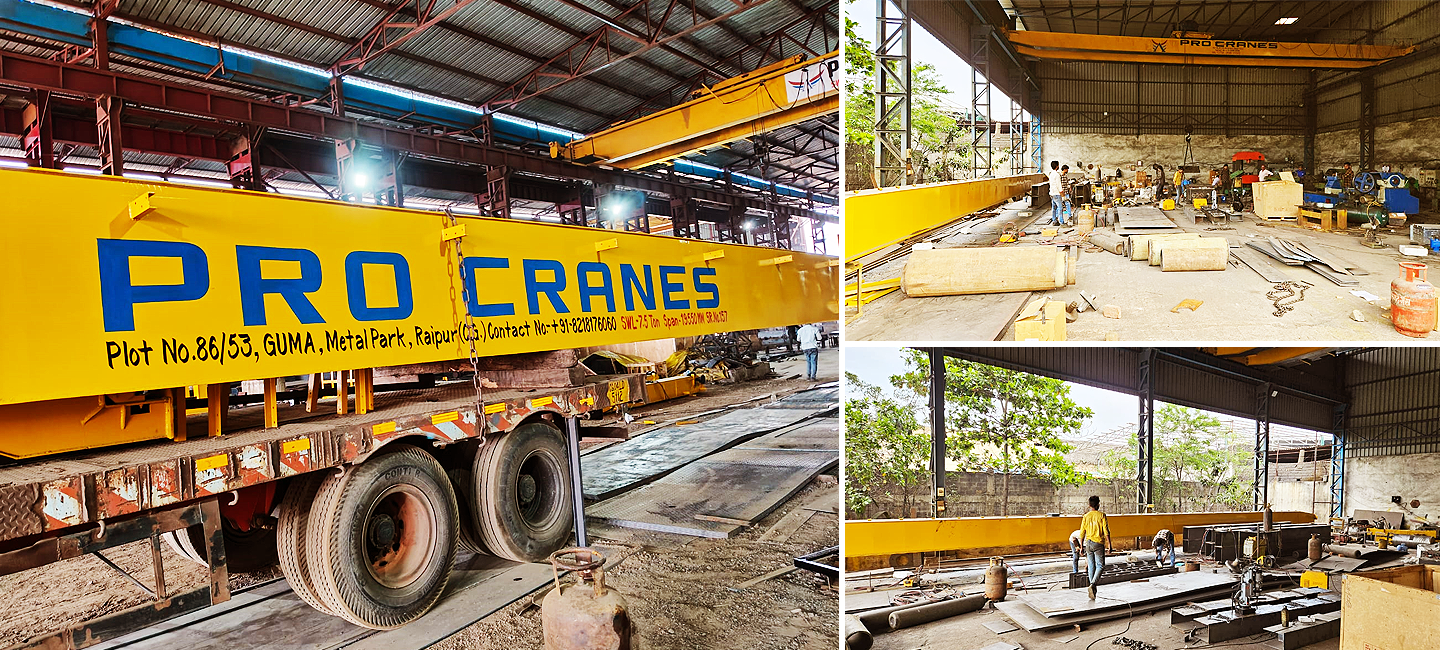
Pro Cranes Engineering, founded by Mr. Amit Chauhan, has spent 18+ years engineering double girder EOT cranes for exactly these capacity transitions. Operating from three manufacturing units in Raipur, Chhattisgarh — Metal Park, Guma Nandanvan Road, and Tilda's Industrial Area Bartori — the company has delivered 1,000+ cranes to 500+ clients across Steel, Power, Cement, Construction, Shipyard, and Heavy Engineering sectors, with double girder systems engineered around actual duty cycle data rather than catalog defaults — the standard this discipline sets is one of the reasons the company is counted among the more reliable double girder EOT crane manufacturers in India for heavy-tonnage plants.
What's Next for Double Girder EOT Cranes in India
Expect greater adoption of variable-frequency drives for smoother acceleration and reduced mechanical stress, wider use of automated load monitoring on Class D installations, and continued growth in domestic double girder demand as Indian steel and cement capacity expansion continues through the back half of the decade.
Frequently Asked Questions
At what capacity should I switch from single girder to double girder EOT crane?
Generally once requirements exceed 15–20 tons, or when span and hook height needs exceed what a single girder underslung trolley design can efficiently provide.
What is the maximum capacity of a double girder EOT crane?
Double girder systems can be engineered well beyond 500 tons for shipyard and heavy industrial applications, though most plant-level installations fall in the 20–150 ton range.
How is a double girder EOT crane different from a Goliath crane?
A double girder EOT crane runs on elevated runway beams inside a building, while a Goliath crane runs on ground-level rails, typically for outdoor or large-span applications.
How long does manufacturing a double girder EOT crane take?
Typically 8–12 weeks depending on capacity, span, and customization, longer than single girder systems due to additional structural fabrication and testing.
What duty class should I specify for a steel plant application?
Most continuous steel handling applications require Class C or Class D, given high starts-per-hour and extended operating duration per shift.
Does a double girder crane need a stronger runway beam than single girder?
Yes — wheel loads are higher due to greater capacity, so runway beam and column design must be calculated specifically for the double girder crane's end truck loads.
Can Pro Cranes Engineering handle both design and installation?
Yes, Pro Cranes Engineering provides end-to-end service from design and manufacturing through site installation and load testing.
Talk to Our Engineering Team
Pro Cranes Engineering —
Unit 1: Plot No. 86/53,52 Metal Park, Near Gravity Ferro, Raipur – 493221 |
Unit 2: 423/70, Guma Nandanvan Road, Near R Logistics Park, Raipur – 492099, Chhattisgarh |
Unit 3: Plot No. 12, Industrial Area Bartori, Tilda, Raipur – 493114, Chhattisgarh
Call +91 82181 76060 or email info.procrane@gmail.com / info@procranes.in with your capacity, span, and duty cycle requirements.